


















Understanding the Medium-Rare Temperature
Why Medium-Rare is the Preferred Steak Doneness
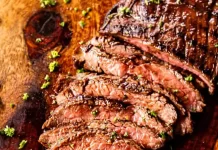
Medium-rare steak is prized for its perfect balance of flavor, juiciness, and tenderness. At this doneness, the meat remains pink and warm inside, which enhances its natural texture and taste. Cooking steak to medium-rare preserves moisture while delivering a satisfying bite, making it the preferred choice for many steak enthusiasts.
Ideal Internal Temperature Range for Medium-Rare Steak
The key to medium-rare perfection is hitting the right internal temperature. Aim for 130°F to 135°F (54°C to 57°C). This temperature ensures the steak is cooked through enough for food safety while maintaining a tender, juicy center. Using a reliable meat thermometer helps achieve consistency without overcooking.
Choosing the Right Cut and Preparation
Best Steak Cuts for Pan Seared Medium-Rare
For pan searing, select cuts that handle high heat well and stay tender. Ribeye, New York strip, and filet mignon are excellent choices due to their marbling and thickness. These cuts develop a rich crust while the inside retains moisture, making them ideal for medium-rare preparation.
How to Properly Season Your Steak
Seasoning is simple but crucial. Generously salt the steak at least 30 minutes before cooking or right before hitting the pan to draw out flavor. Freshly ground black pepper adds a touch of heat, but avoid adding pepper too early as it can burn during searing. Minimal seasoning lets the natural meat taste shine.
Essential Tools and Ingredients for Pan Searing
Recommended Skillets and Pans
A heavy-bottomed skillet such as cast iron is best for pan searing steak. Cast iron retains heat evenly and creates a superior crust. Stainless steel pans are also suitable if preheated properly. Avoid non-stick pans, as they don’t generate the intense heat needed for a perfect sear.
Oils, Butters, and Aromatics to Enhance Flavor
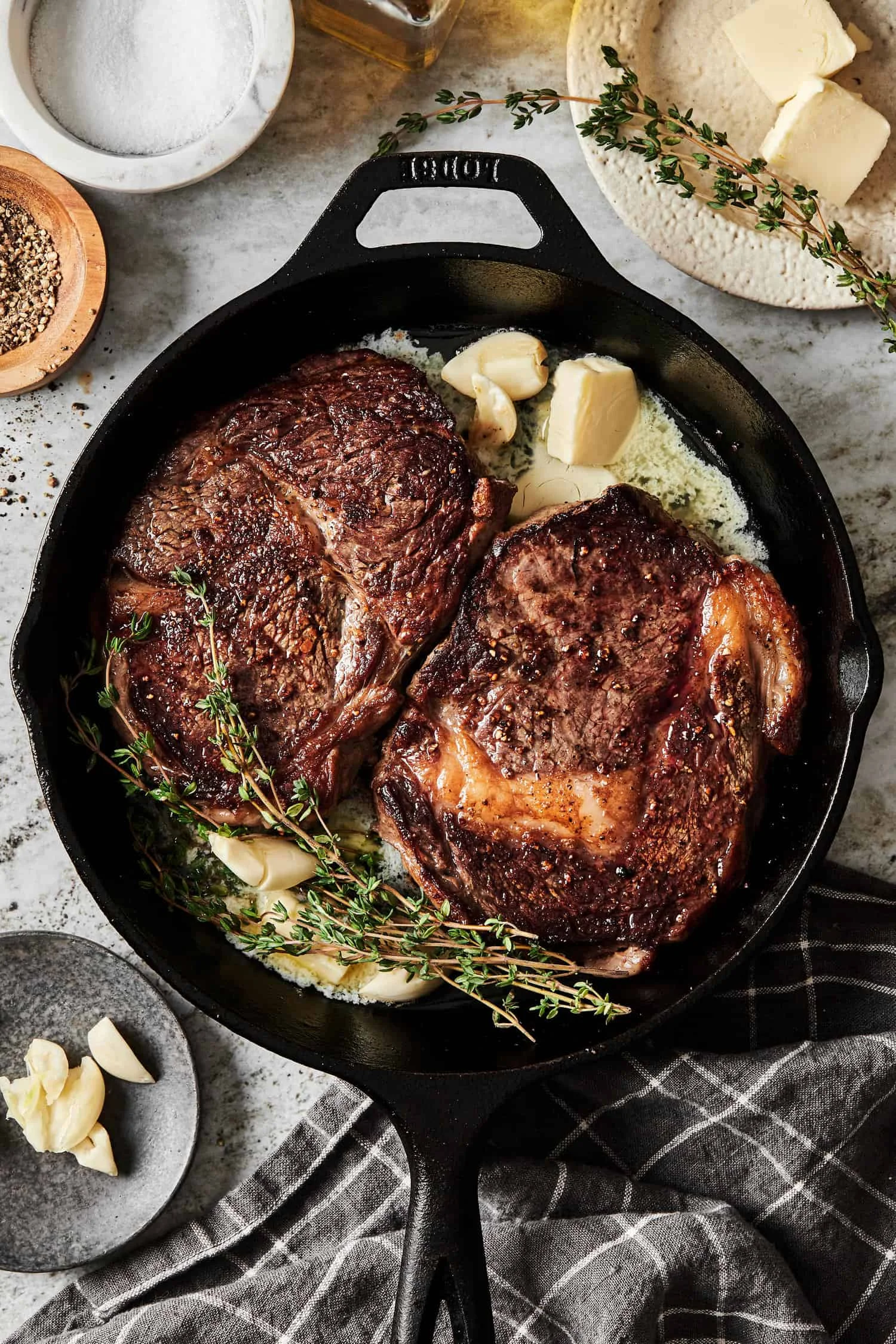
Use oils with high smoke points like grapeseed or canola oil to avoid burning. Butter adds richness and helps brown the steak during basting. Adding aromatics such as garlic cloves, thyme, or rosemary to the butter infuses the meat with subtle herbaceous notes as you cook.
Step-by-Step Guide to Pan Searing Steak Perfectly
Prepping the Steak Before Cooking
Bring your steak to room temperature before cooking for even heat distribution. Pat the surface dry with paper towels to promote browning. Lightly oil the steak if desired for better contact with the pan, but don’t saturate it to avoid steaming.
Mastering the Heat: How to Control Pan Temperature
Preheat your skillet over medium-high heat until very hot. The oil should shimmer but not smoke excessively. Too low heat leads to steaming and a lack of crust; too high can burn the exterior without cooking the inside. Adjust the flame as needed throughout the process.
Timing and Techniques for the Perfect Sear
Place the steak in the pan gently to avoid splatter. Sear without moving for about 3 to 4 minutes per side depending on thickness. This forms the golden-brown crust. Resist the urge to press down or constantly flip, as this disrupts the crust formation and juiciness.
Flipping and Basting: Secrets to Juicy Results
After flipping, add butter and aromatics to the pan. Tilt the pan slightly and use a spoon to baste the steak continuously. This technique moistens the surface and infuses it with rich flavors. Basting also helps cook the top layer gently and evenly.
How to Check for Medium-Rare Doneness Without a Thermometer
The Finger Test Method
The finger test compares the steak’s firmness to different parts of your hand. For medium-rare, touch your thumb to your middle finger and feel the fleshy area below the thumb. It should feel springy but still soft. This tactile approach offers a quick alternative to thermometers.
Visual and Tactile Signs to Look For
Visually, medium-rare steak has a warm pink center with slight juices on the surface. When pressed, it should yield slightly and bounce back without feeling mushy. Avoid firmness that indicates overcooking or too soft that suggests undercooking.
Resting Your Steak: Why It Matters and How Long to Wait
Resting allows the juices to redistribute throughout the meat, preventing them from spilling out when sliced. Let your steak rest on a cutting board loosely covered with foil for 5 to 10 minutes. This step ensures maximum juiciness and improves overall tenderness.
Creative Sides and Sauces to Complement Your Medium-Rare Pan Seared Steak
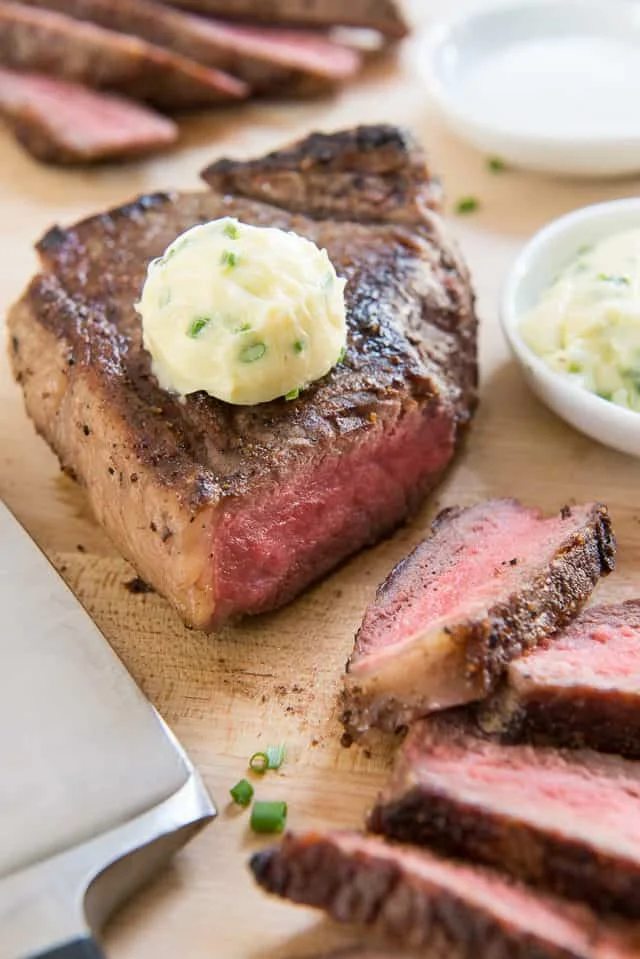
Classic sides like roasted vegetables, mashed potatoes, or a fresh green salad complement the richness of medium-rare steak. Sauces such as red wine reduction, chimichurri, or garlic herb butter elevate the flavor without overpowering the meat.
Troubleshooting Common Pan Searing Mistakes
Dealing with Overcooked or Undercooked Steak
If overcooked, try slicing thin for stir-fry or adding to stews to regain moisture. Undercooked steak can be returned to the pan briefly but be cautious to avoid drying it out. Using a thermometer or finger test helps minimize these issues.
How to Avoid Tough or Dry Steak
Prevent toughness by not overcooking and allowing proper rest. Choose cuts with good marbling and avoid overcrowding the pan to maintain high heat. Proper seasoning and basting also contribute to a tender and moist result.