






















Introduction to Hearty Vegetable Soup
Benefits of Using Leftover Garden Vegetables
Imagine coming home after a long day and wanting to prepare a nourishing meal without buying more groceries. That’s where leftover garden vegetables come in handy. Using these not only reduces food waste but also lets you enjoy the freshest produce at its peak flavor. Garden vegetables, having been nurtured with care, bring vibrant flavors and nutrients to any dish, especially soups. Sarah, a home gardener, recalls how she turned her surplus zucchini, tomatoes, and green beans into a rich, comforting soup that fed her family for days.
What Makes a Soup ‘Hearty’?
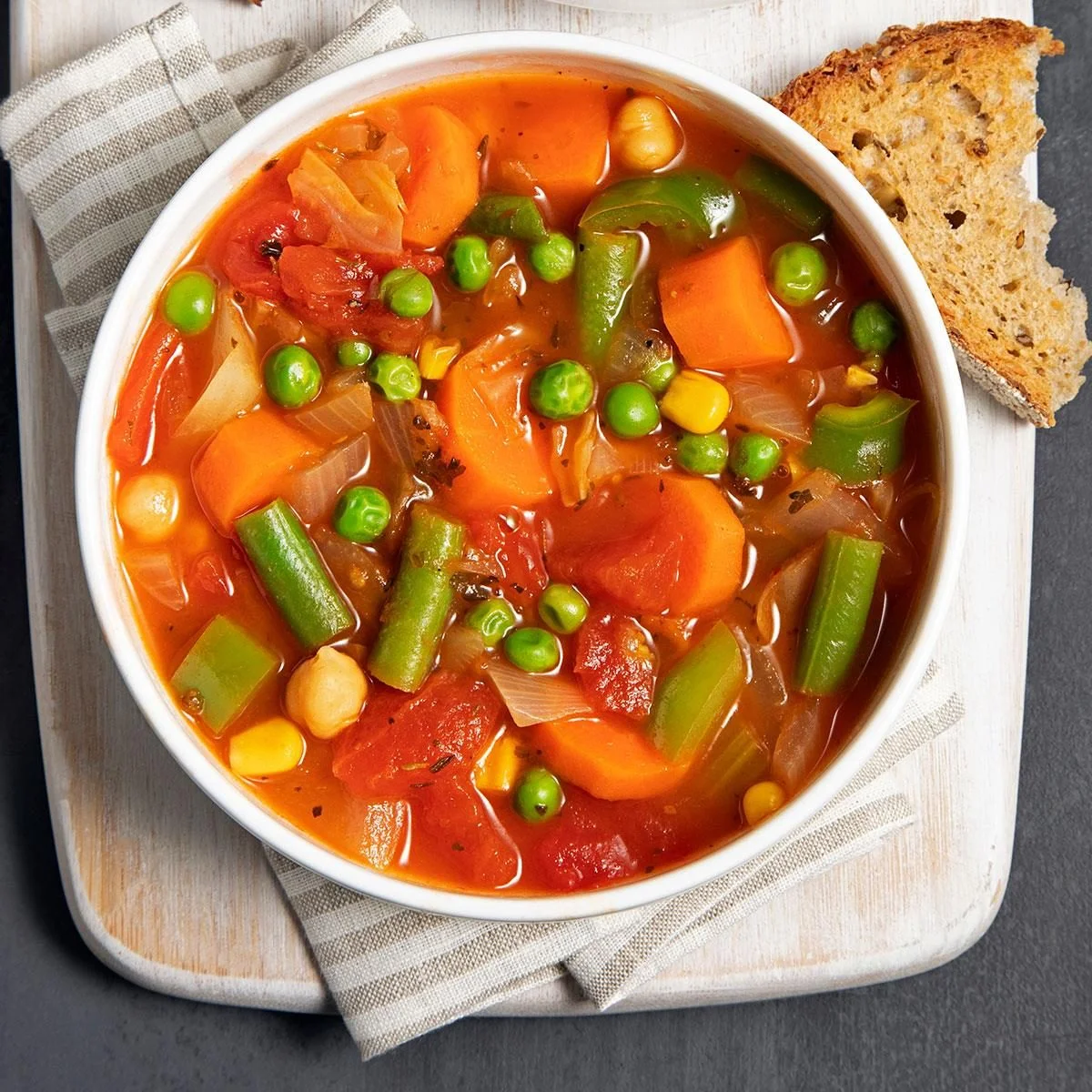
A hearty soup is more than just broth and vegetables; it is filling, comforting, and packed with a variety of textures. It often includes ingredients that add substance, such as potatoes, beans, or grains, which provide staying power beyond a simple starter. Hearty soups deliver warmth and energy, especially during colder months, and can easily become a main meal. Think of the thick, chunky vegetable soups served at local diners that leave you satisfied long after the last spoonful.
Gathering Your Ingredients
Best Garden Vegetables for Soups
When selecting vegetables for your soup, fresh garden staples like carrots, celery, and onions form the classic mirepoix base, offering a foundation of flavor. Potatoes provide body and softness, while green beans and peas introduce sweetness and texture. Tomatoes, whether fresh or canned, contribute acidity and brightness. For example, Tom from a community garden swears by adding zucchini and fresh herbs like parsley to brighten his soup’s flavor profile.
How to Prepare Leftover Vegetables
Leftover vegetables should be washed thoroughly and trimmed of any bruised or overly soft parts. Cutting them into uniform pieces ensures even cooking. If your garden vegetables include tougher varieties like carrots or potatoes, it’s important to chop them smaller to allow them to cook through alongside softer vegetables. In one case, a cook salvaged limp celery and bell peppers by roasting them first, intensifying their flavor before stirring them into the soup.
Adding Protein and Grains for Extra Heft
To elevate the soup from a light appetizer to a full meal, consider adding proteins such as kidney beans, cannellini beans, or leftover cooked chicken. These not only add texture but also boost the nutritional value. Grains like barley, quinoa, or even rice absorb the flavors of the broth and provide a pleasant chewiness. For instance, Linda often includes barley in her vegetable soup when inviting friends over, making sure everyone leaves feeling full and content.
Step-by-Step Guide to Making the Soup
Sautéing Aromatics and Building Flavor
The first step involves heating oil over medium-high heat to sauté aromatics such as onions, carrots, and celery for about 4 to 5 minutes until softened. This process unlocks their essential oils and deepens the flavor base of the soup. Garlic and seasonings like thyme or bay leaves are then added to infuse additional layers of aroma, as Michael learned in his culinary class. This foundational step transforms a simple vegetable soup into a rich and inviting dish.
Incorporating Leftover Vegetables
After the aromatics are ready, add your chopped leftover garden vegetables to the pot. It’s helpful to add those that take longer to cook, like potatoes and carrots, first. Softer vegetables such as zucchini or peas should be added later in the simmering process to retain their texture and color. Sarah recalls how adding fresh corn cobs directly to the pot imparted a subtle sweetness that made her soup stand out.
Choosing the Right Broth or Stock
Using homemade chicken stock or vegetable broth greatly enhances your soup’s depth of flavor compared to plain water. A rich broth acts as the canvas that highlights each vegetable’s individual taste. If you’re short on time, good-quality store-bought broth works well too. Some cooks, like Javier, add a parmesan rind while simmering to infuse an umami richness that’s hard to achieve otherwise.
Simmering to Perfection

Simmering your soup gently on low heat allows all the flavors to marry beautifully. Covering the pot helps retain moisture and heat, softening the vegetables thoroughly. It’s essential to monitor the cooking time—potatoes should be fork-tender but not falling apart, ensuring a pleasing texture. Timing the addition of delicate vegetables like peas ensures they stay vibrant and fresh-tasting. Ellen’s tip is to simmer until the potatoes are nearly tender before adding these sensitive ingredients.
Flavor Enhancements and Seasoning Tips
Herbs, Spices, and Umami Boosters
Fresh herbs such as parsley or thyme added at the end of cooking lift and brighten the soup. Ground black pepper and salt adjust the seasoning to taste, while spices like smoked paprika or cumin introduce warmth and complexity. Incorporating umami boosters like a parmesan rind or a splash of soy sauce can bring a deeper savory note. One winter, Mark experimented with adding fresh lemon juice and found it blended beautifully with the earthy bouquet of his vegetable soup.
Balancing Acidity and Sweetness
Balancing the soup’s flavors ensures it’s neither too bland nor overpowering. Tomatoes or a small amount of vinegar can add acidity, cutting through richer flavors and refreshing the palate. Meanwhile, slight sweetness from vegetables such as sweet potatoes, butternut squash, or corn can soften the tanginess. Seasonal adjustments like these keep the soup interesting and tailored to what’s in your garden. For instance, adding sweet potato during autumn gave Sarah’s soup a cozy, comforting edge.
Serving and Storing Your Vegetable Soup
Best Serving Suggestions and Garnishes
Serving your hearty vegetable soup with a side of homemade dinner rolls or no-knead bread creates a cozy, complete meal perfect for chilly evenings. Garnishing with grated parmesan, a drizzle of extra virgin olive oil, or freshly chopped parsley adds visual appeal and taste. John recalls how finishing his soups with a splash of cream gave each bowl an indulgent richness that delighted his family.
Storing Leftover Soup Safely
Store any leftover soup in airtight containers and refrigerate promptly to maintain freshness for 4 to 5 days. For longer storage, freezing in freezer-safe containers preserves the flavor for up to three months. Reheating can be done by microwaving single servings or warming larger batches slowly on the stove to avoid overcooking. Keeping soup ready-made makes for quick, nutritious lunches or dinners during busy weeks, allowing you to reap the full benefits of your garden’s bounty.