





















Understanding Texture in Modern Decor
What is Texture and Why it Matters?
Texture refers to the surface quality or feel of materials in a room, whether it’s soft, rough, smooth, or patterned. In modern decor, texture plays a pivotal role beyond just aesthetics—it shapes the entire sensory experience of a space. Imagine walking into a bedroom draped only in sleek fabrics and hard surfaces; the room might look chic but feel cold and unwelcoming. Conversely, layering in soft fabrics such as velvet cushions or chunky knit throws instantly transforms the atmosphere into something inviting and warm. Texture adds dimension and depth, preventing a modern bedroom from appearing flat or sterile.
How Texture Influences Room Ambiance
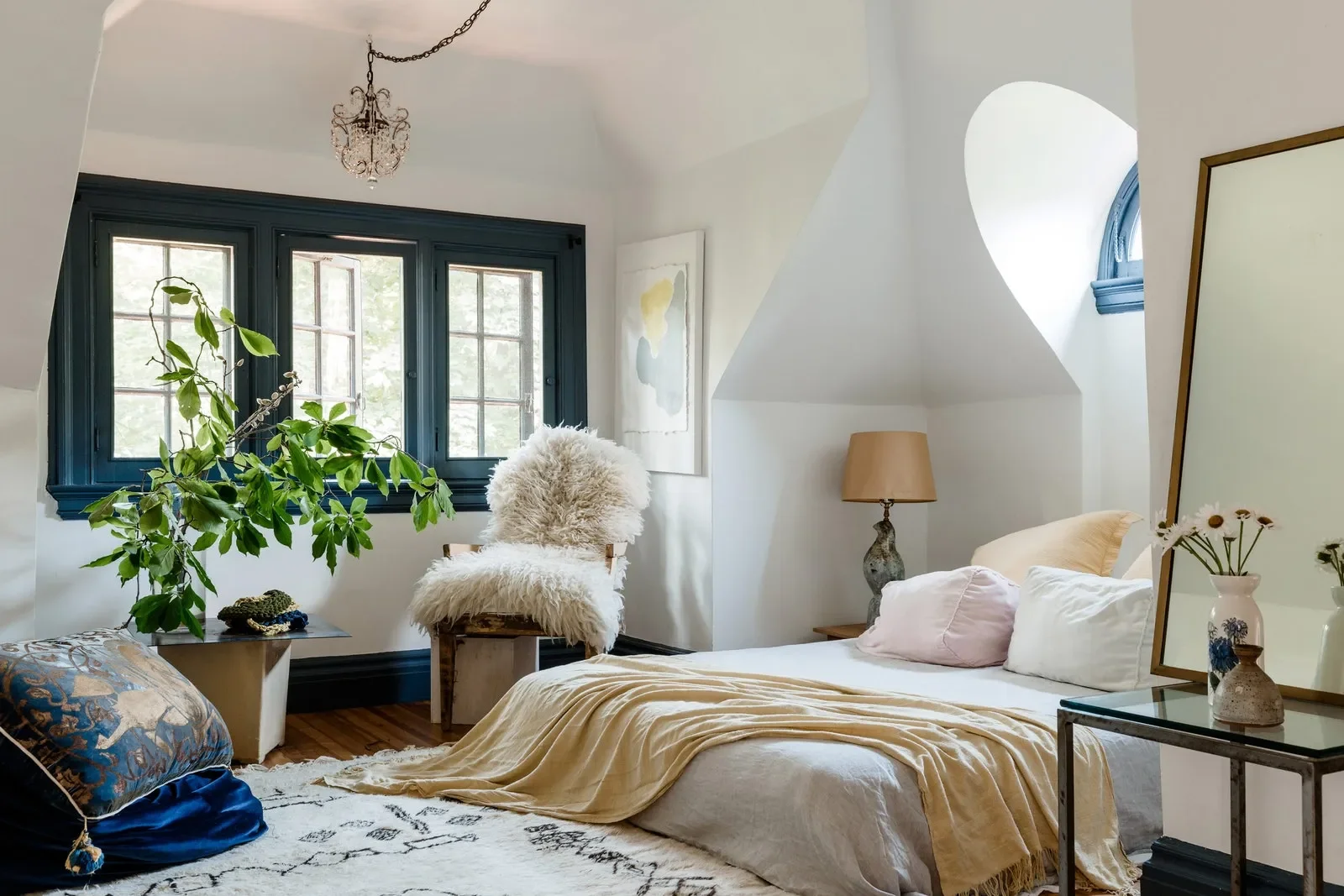
Texture can manipulate the mood of a room in subtle yet powerful ways. Soft textiles like cotton and faux fur bring relaxation and comfort, perfect for a bedroom meant for unwinding. Hard surfaces such as wood or metal inject energy and sophistication, balancing out softer elements. Take the example of a charcoal shiplap wall behind a bed: the rough texture commands attention, creating a strong visual anchor that contrasts with smooth linens. This balance between tactile elements and visual cues sets the tone of the room, guiding how one feels the moment they enter. Without thoughtful texture layering, even the prettiest colors and furniture can feel uninspired.
Essential Textures for a Cozy Bedroom
Soft Textiles: Fabrics, Throws, and Rugs
Soft textiles are the heart of a cozy bedroom. Pillows of varying sizes mixing linen, velvet, faux fur, and chunky knit can create an inviting focal point on your bed. Picture arriving home after a long day and sinking into a bed adorned with plush cushions and a caramel-colored throw that contrasts delightfully with light bedding. Underfoot, a high-pile or shaggy rug that extends beneath the bed adds warmth, making it a retreat for both the eyes and the senses. These tactile comforts make the bedroom feel like a sanctuary.
Natural Materials: Wood, Stone, and Plants
Incorporating natural materials adds organic charm and grounding warmth to a modern bedroom’s design. Wood furniture with warm finishes offers a timeless quality that beautifully complements gold hardware or lamps, tying different textures seamlessly together. Imagine a woven rattan chandelier casting intricate shadows over the room—this element brings rustic warmth and visual interest. Alongside, stone accents or houseplants enrich the sensory environment by adding unexpected textures that engage without overwhelming.
Metallic and Glossy Accents
Metallic accents such as brushed gold handles, lamp bases, or picture frames can elevate a bedroom by infusing subtle luxury and brightness. The reflective qualities of metals contrast with softer materials, creating dynamic tension that enlivens the space. For instance, swapping out standard drawer pulls for brushed gold immediately updates a dresser’s look and balances the darker shiplap wall behind the bed. Glossy finishes also contribute a sleek modern edge without sacrificing warmth when paired thoughtfully with matte or textured surfaces.
Step-by-Step Process to Mix Textures
Step 1: Choose a Neutral Color Palette
Start your bedroom design by selecting two to three main colors, making sure to include at least one neutral tone such as soft gray, creamy white, or beige. This neutral base provides a calm backdrop, allowing textured elements to stand out without creating visual chaos. Accent colors—like burnt orange, soft blush, or deep charcoal—can be introduced gradually through textiles, artwork, and accessories. This strategy keeps the room balanced and inviting while supporting creative texture layering.
Step 2: Layer Soft and Hard Surfaces
Begin layering by placing soft fabrics atop harder surfaces. For example, a chunky knit throw over a velvet bench juxtaposes smooth and chunky textures beautifully. Incorporate a plush rug beneath a wooden bed frame to balance the coldness of the floor. Integrating natural materials like woven rattan lighting or wooden nightstands enhances this layering. These combinations add tactile complexity that invites touch and elevates visual interest throughout the room.
Step 3: Incorporate Patterned and Solid Textures
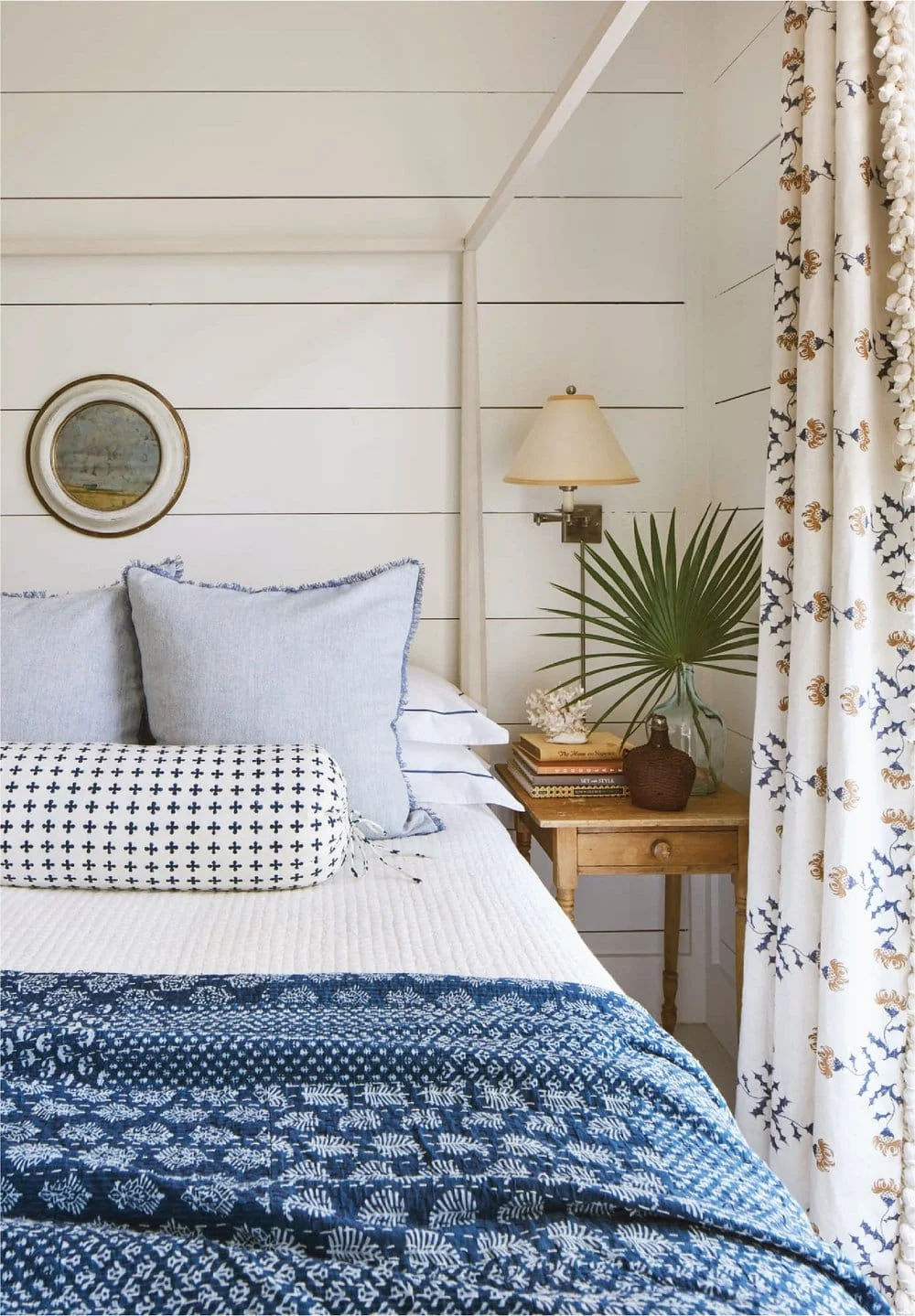
When mixing patterned and solid textures, thoughtfulness is key to retaining harmony. Patterns such as stripes or geometrics act as modern neutrals that pair effortlessly with both traditional florals and bold animal prints. Use patterned throw pillows spaced evenly on the bed for symmetry or experiment with asymmetry by combining bold and subtle designs. To avoid overwhelming the space, pause patterns with solid colors to let each element breathe, creating a layered but cohesive aesthetic.
Step 4: Balance Light Reflection and Absorption
Lighting affects how textures are perceived, so balancing reflective and absorbent surfaces is crucial. For instance, a brushed gold lamp reflects warm light, complementing the soft absorbency of linen curtains or a shaggy rug. A deep charcoal shiplap wall absorbs light, making bright accent pieces and metallic finishes pop in contrast. Experiment with natural light sources and ambient lighting to highlight your room’s layers, ensuring textures enhance the ambiance rather than compete with it.
Creative Ideas for Texture Combinations
Pairing Velvet with Natural Wood
One practical yet elegant combination is rich velvet upholstery paired with warm wood furniture. A velvet armchair nestled next to a gold-accented wooden nightstand creates an inviting seating area within the bedroom. This pairing balances plush softness with grounded natural texture, elevating the space without complicated styling. Velvet’s depth and sheen add luxe softness, while wood introduces rustic charm and durability.
Combining Knit Throws with Sleek Leather
Try layering a chunky knit throw over a sleek leather bench or chair to introduce warmth and tactile contrast. The softness of the knit diminishes leather’s sometimes cold or hard feel, making the space more approachable. This combo works well near a fireplace or window nook, offering both comfort and style. The interplay between casual knit textures and polished leather surfaces energizes the room subtly and thoughtfully.
Mixing Matte and Glossy Finishes
Matte and glossy finishes can be combined to create depth and distinction. For example, matte black nightstands provide a grounded, modern feel, while glossy gold picture frames add sparkle and interest. This technique keeps visual monotony at bay by using reflectivity to highlight key pieces without overcrowding the senses. A large geometric rug with matte patterns can serve as an anchor, while metallic accessories add pops of shine.
Tips to Avoid Overwhelming Your Bedroom
Maintaining Harmony and Contrast
Maintaining harmony means balancing contrasting textures so that they complement rather than compete with each other. Avoid overcrowding the room with too many bold patterns or similar textures in the same scale. Instead, vary scales and allow solid colors to give breathing room. For instance, pairing a bold animal print pillow with solid linen cushions creates visual interest without chaos. Thoughtful contrast amplifies the cozy modern vibe.
Using Texture to Highlight Focal Points
Use texture strategically to draw attention to your bedroom’s focal points—like the bed or a statement wall. A dark shiplap wall behind the bed with a mix of velvet and faux fur pillows centers the eye and invites touch. Complementing this with soft, layered rugs underfoot extends the cozy feel throughout the area. Incorporate subtle metallic accents nearby to frame the space elegantly and avoid visual overload elsewhere in the room. This intentional placement keeps your cozy modern bedroom balanced and inviting.