




















Understanding Hard Water Stains in Bathrooms
What Causes Hard Water Stains?
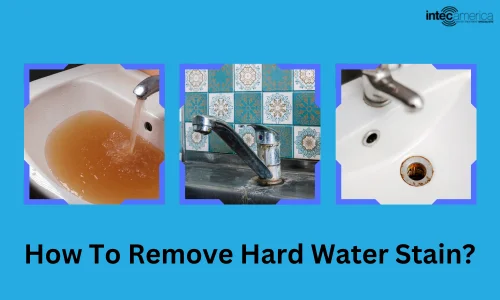
Hard water stains are the telltale marks left behind when minerals like calcium and magnesium in your water supply settle on surfaces and dry. These minerals don’t dissolve easily and often accumulate over time, creating those stubborn white or cloudy spots we’re all familiar with. When water droplets evaporate, the minerals cling tightly to bathroom fixtures, leaving behind spots that can be tricky to remove with regular cleaning.
Common Types of Bathroom Fixtures Affected
Fixtures such as faucets, showerheads, sinks, and tiles are the most vulnerable to hard water stains. Since these surfaces are frequently exposed to water, minerals deposit quickly and linger. Glass shower doors and stainless steel fixtures also tend to show water spots and scale buildup prominently. Even toilet bowls, particularly around the waterline, can develop unsightly rings from mineral deposits.
Effective Natural Ingredients to Combat Hard Water Stains
Vinegar: Properties and Uses
Vinegar is a powerhouse when it comes to tackling hard water stains naturally. Its acetic acid content breaks down minerals effectively, softening buildup and making it easier to wipe away. Using vinegar not only removes stains but also disinfects surfaces, leaving your bathroom smelling fresh and clean. Whether applied directly or diluted, vinegar is versatile and readily available.
Baking Soda: How It Works on Stains
Baking soda adds a gentle abrasive quality that complements the acidic nature of vinegar. It lifts away grime without scratching delicate surfaces, making it ideal for scrubbing stubborn mineral deposits. When combined with a bit of water or vinegar, baking soda can form a paste that clings to fixtures, allowing the ingredients to penetrate and dissolve hardened stains over time.
Lemon Juice: Natural Acidity for Cleaning
Lemon juice brings a fresh scent and natural acidity that helps cut through mineral residue. The citric acid in lemons works similarly to vinegar but adds a pleasant citrus aroma to your cleaning routine. It’s especially useful for smaller fixtures or delicate areas where you want a gentle yet effective cleaner that brightens without harsh chemicals.
Other Common Household Items
Besides the well-known trio of vinegar, baking soda, and lemon juice, other household items can assist in removing hard water stains. Salt can act as an abrasive, often combined with lemon juice for spot cleaning. Castile soap mixed with water offers a mild, eco-friendly cleaning option. Even cornstarch can be used as a gentle scrubbing agent to polish fixtures after mineral deposits have been softened.
Step-by-Step DIY Cleaning Methods
Preparing the Cleaning Solution Mix
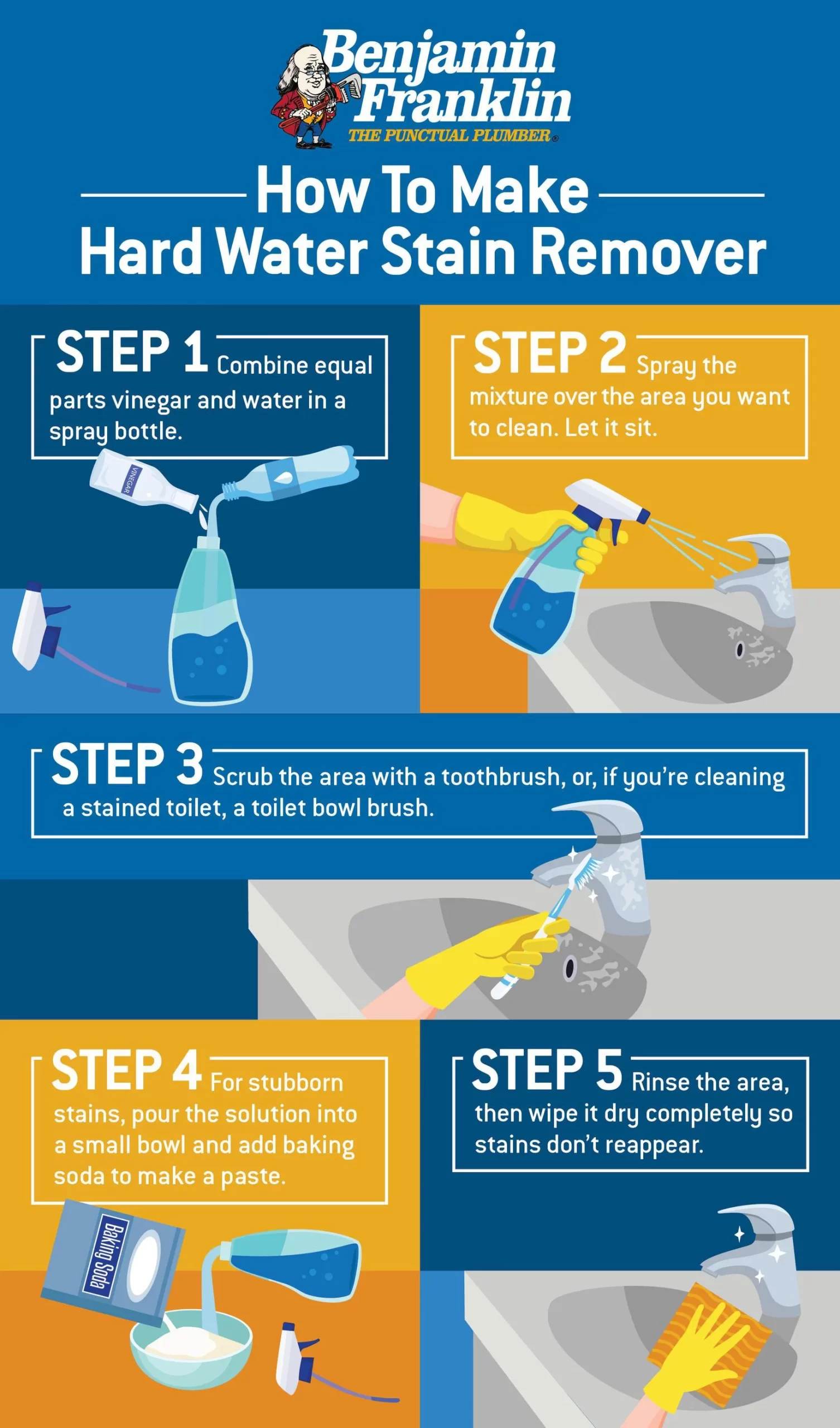
Start by mixing equal parts white vinegar and water in a spray bottle for an easy-to-apply solution. For tougher stains, you might want to warm the vinegar slightly to boost its effectiveness. If you prefer a paste, blend baking soda with just enough water to create a spreadable texture. Lemon juice can be applied directly or mixed with salt for extra scrubbing power. Preparing these mixtures ahead saves time when you’re ready to clean.
Applying and Scrubbing Techniques
Apply your chosen solution liberally over the stained surface, ensuring it covers every spot. For faucets and showerheads, soaking a cloth soaked in vinegar around the fixture and securing it with a rubber band allows the acid to work its magic over time. After letting it sit for 10 to 15 minutes, use a soft-bristled brush or a clean sponge to gently scrub away the loosened mineral deposits. Avoid using harsh scrubbers that could scratch or damage your fixtures.
Rinsing and Maintaining Sparkling Fixtures
Once you’ve scrubbed off the stains, rinse the area thoroughly with clean water to remove any residual cleaning solution. Wiping the fixtures dry with a soft cloth prevents new water spots from forming. Make drying a habit, especially after showers or cleaning sessions, to keep your bathroom fixtures gleaming consistently. Regular maintenance is key to preserving their shine.
Preventative Tips to Avoid Future Stains
Routine Cleaning Habits
Consistency in cleaning pays off when it comes to warding off hard water stains. Quick wipes of faucets and tiles after use reduce mineral buildup significantly. Incorporating natural cleaning solutions into your routine every few days keeps stubborn stains at bay and helps maintain sparkling surfaces without extra effort.
Water Softening Options
For households dealing with particularly hard water, investing in water softening systems can be a game-changer. These systems reduce the mineral content in water, minimizing the chance of deposits forming on your fixtures. Options range from whole-house softeners to less intensive point-of-use devices, depending on your needs and budget.
Protective Coatings for Fixtures
Applying a protective coating or sealant to your bathroom fixtures creates a barrier against mineral deposits. These coatings repel water and prevent minerals from sticking tightly, making cleaning easier and less frequent. Many products are available on the market designed specifically for bathroom surfaces, adding an extra layer of defense against hard water stains.
Eco-Friendly Benefits of Natural Cleaning
Health and Safety Advantages
Choosing natural cleaning solutions means reducing exposure to harsh chemicals that can irritate skin, eyes, and respiratory systems. Vinegar, baking soda, and lemon juice are safe for use around children and pets, providing peace of mind while maintaining a healthy home environment. These ingredients are biodegradable and pose little risk of harmful residues.
Environmental Impact Compared to Chemical Cleaners
Natural cleaners have a minimal environmental footprint. Unlike conventional chemical detergents, they break down quickly and don’t contribute to water pollution. Using household staples for cleaning helps reduce plastic waste from packaging and lessens reliance on industrial chemicals, supporting a greener lifestyle with effective results.