
















Introduction to Lightweight Hiking Gear
Embarking on a multi-day hiking trail is an adventure that demands careful preparation, especially when it comes to packing. One of the most important aspects is keeping your gear lightweight without sacrificing safety or comfort. Carrying too much weight can quickly turn a rewarding journey into a strenuous challenge. By focusing on essential items and smart packing strategies, you can enjoy your trek with less strain and greater freedom.
Lightweight hiking gear isn’t just about buying the most expensive or high-tech equipment. It’s about understanding what you truly need, how to eliminate redundancies, and prioritizing items that serve multiple purposes. A well-packed backpack should feel like a natural extension of your body, enabling you to move with ease across varied terrain.
Essential Gear for Multi-Day Trails
Choosing the Right Backpack
Your backpack is the foundation of every hiking trip. Selecting the right size and fit is crucial. A backpack that’s too large might tempt you to overpack, adding unnecessary weight. Conversely, one that’s too small can limit essential gear. Ideally, aim for a pack that can comfortably carry about 10% of your body weight, but always adjust for personal comfort and safety.
Before investing in a backpack, consider borrowing different models to test what feels best. Look for features such as adjustable straps, a good ventilation system, and an internal frame that supports load distribution. Packs with multiple compartments are useful for keeping gear organized, and hip belt pockets offer quick access to snacks or small items without unpacking your entire bag.
Lightweight Clothing Options
Choosing the right clothing can make a significant difference in comfort during your hike. Merino wool is often celebrated for its versatility—it can be worn multiple days without washing due to its odor-resistant properties. Packing multiple merino wool items, such as a hiking tee, sleeping tee, and a backup tee, allows for layering and adapting to changing weather conditions.
Layers are your best friend on multi-day hikes, letting you add or remove clothing according to the temperature and activity level. Avoid carrying excess clothing, especially multiple versions of the same type like extra t-shirts or pants, as this adds unnecessary weight. Remember, on long treks, body odor is inevitable, so skipping deodorant and focusing on breathable fabrics helps keep your pack lighter.
Compact Sleeping Systems
Your sleeping system—including your sleeping bag, pad, and shelter—accounts for a big part of your pack weight. Opt for compact and lightweight options that don’t compromise warmth or comfort. Keep in mind that sleeping bag temperature ratings are typically based on male standards; women usually require bags rated for colder temperatures, so choose accordingly.
Single-walled ultralight tents are an excellent choice if you’re willing to accept some condensation issues for the sake of reducing weight. Insulated sleeping pads provide priceless comfort and warmth, which can significantly affect your rest quality. Avoid carrying extra sets of sleeping clothing or bulky blankets; instead, rely on your layered clothing system to regulate temperature overnight.
Packing Strategies for Efficiency
Organizing by Weight and Accessibility
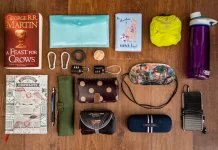
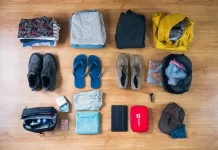
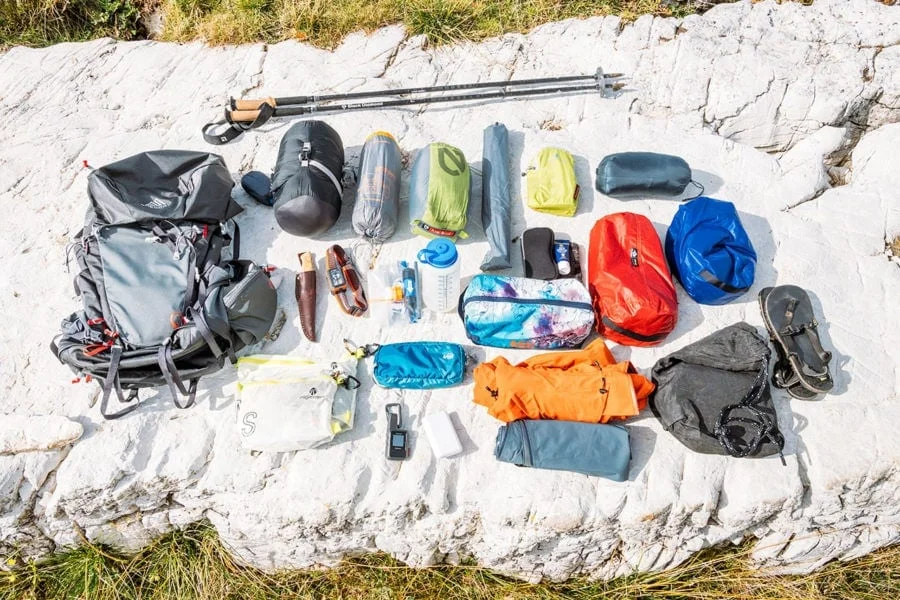
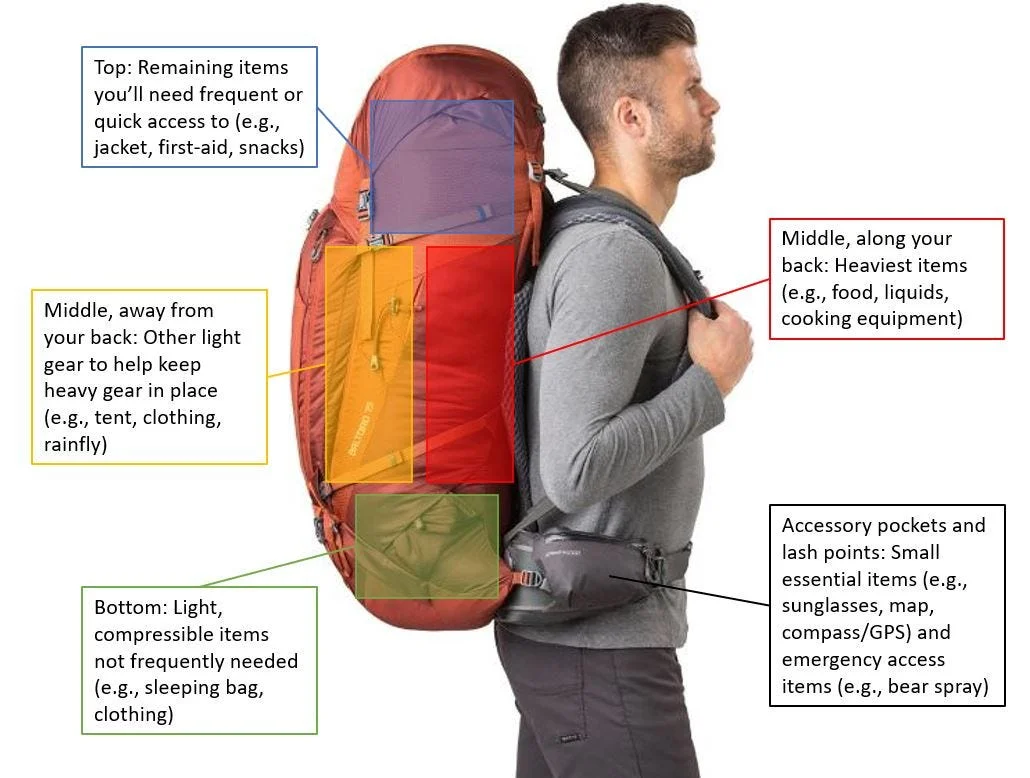
Before packing, lay out all your gear to get a clear picture of what you have and what you can leave behind. Sorting items into categories—shelter and sleeping gear, clothing, food, cooking equipment, and small essentials—helps prevent overpacking. Place heavier items close to your back and centered at the middle of the pack to maintain balance.
Reserve the backpack’s brain or lid compartment and hip belt pockets for items you’ll need on the go, such as snacks, maps, or a rain jacket. This way you won’t have to unpack your entire bag for quick access. Using compression straps snugly tightens your load, minimizing movement and ensuring a secure fit during your hike.
Using Compression Bags and Stuff Sacks
Compression bags and stuff sacks are invaluable for organizing and reducing the volume of your gear. Compressing your sleeping bag or clothing can free up space, making it easier to pack efficiently. Group similar items in color-coded or labeled sacks to speed up packing and unpacking while keeping your backpack neat.
Gear ties and carabiners let you attach bulky or frequently used items like water bottles or trekking poles to the outside of your pack. Just be cautious not to dangle heavy items that might get caught on branches or rocks.
Meal Planning and Lightweight Cooking
Selecting Dehydrated and High-Energy Foods
Food can quickly add bulk and weight, so choosing dehydrated or freeze-dried meals is a smart move. These foods are lightweight and calorie-dense, providing the energy needed for long days on the trail without excess weight. Plan meals that are easy to prepare and require minimal cooking fuel.
High-energy snacks such as nuts, dried fruit, and energy bars can be packed in small quantities for quick nourishment. Avoid carrying excessive amounts of food, which can slow you down and add unnecessary bulk to your pack.
Portable Cooking Gear and Fuel Options
Lightweight stoves designed for backpacking come in compact, efficient designs that consume minimal fuel. Consider canister stoves or alcohol burners, which are popular choices for their simplicity and light weight. Carry only the amount of fuel necessary for your planned meals, and always check regulations about fuel types in your hiking area.
Cooking gear should be versatile and multi-functional to reduce the number of items. A single pot that doubles as a bowl or cup helps cut down on weight and packing complexity, making meal prep faster and easier on the trail.
Safety and Navigation Essentials
Lightweight First Aid Kits
A first aid kit is non-negotiable, but you don’t need a heavy pack filled with supplies you won’t use. Prioritize lightweight items that cover common injuries: blister treatment, bandages, antiseptic wipes, and pain relievers. Tailor your kit to the length and remoteness of your hike, and consider including personal medications and any allergy treatments.
Minimalist Navigation Tools
Navigation equipment doesn’t have to be bulky. A reliable map and compass are lightweight staples that should always accompany you. For those comfortable with technology, a GPS device or smartphone app can be helpful, but don’t rely solely on electronics that might fail or run out of battery. Keep navigation tools accessible in an easy-to-reach pocket for quick consultation during the hike.
Final Checklist Before Departure
Before you set out, do a thorough review of your packed gear. Confirm that you’ve minimized weight by eliminating unnecessary items, and check the weather forecast to make sure your clothing and shelter are suitable for conditions you might encounter. Practice carrying your fully loaded pack to get accustomed to the weight and balance.
Don’t forget to keep your pack protected from rain with a liner or waterproof cover. Leave no trace principles apply here; respect the environment by avoiding the use of harsh cleaners or detergents on the trail. With thoughtful preparation and careful packing, your lightweight gear will enhance your multi-day hiking experience, helping you focus on the joy of the journey rather than the burden of your pack.