



















Introduction to One Pot Hearty Beef Stew
Why One Pot Meals Are Perfect for Cold Evenings
One pot meals offer warmth and simplicity, making them ideal for cold evenings. They require minimal cleanup and fill your home with inviting aromas that enhance the cozy atmosphere. Beef stew, simmered to perfection in a single pot, is a classic example of comfort food that satisfies both palate and soul.
Health Benefits and Comfort Food Appeal
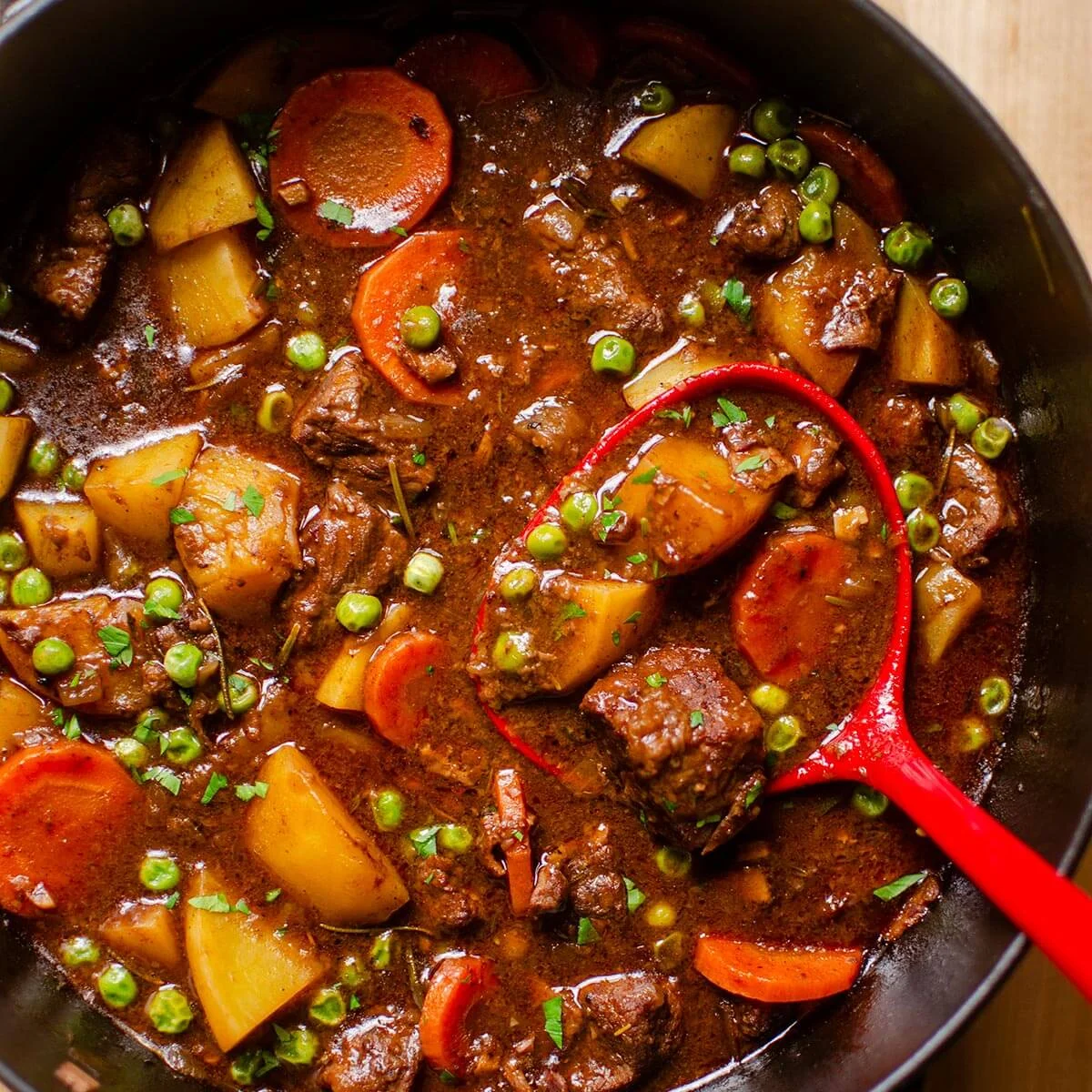
Hearty beef stew provides essential nutrients like protein, vitamins, and minerals packed in a balanced meal. Its slow cooking process tenderizes meat and preserves nutrients from vegetables. This dish not only nourishes but also provides the satisfying, home-cooked comfort many crave when temperatures drop.
Ingredients You’ll Need
Choosing the Best Beef Cuts for Stew
Opt for tougher, flavorful cuts such as chuck, brisket, or round that become tender with slow cooking. These cuts are rich in connective tissue, which breaks down and enriches the stew with gelatin, creating a silky texture. Letting your butcher cut the beef into stew-sized pieces saves prep time and ensures uniform cooking.
Vegetables and Aromatics That Enhance Flavor
Root vegetables like carrots, potatoes, and parsnips add sweetness and texture. Onions and garlic form the flavor base, while celery provides subtle earthiness. Adding vegetables in stages ensures they remain tender but not mushy, preserving their distinct taste and texture throughout the cooking process.
Essential Herbs, Spices, and Broth
An authentic seasoning blend includes rosemary, thyme, marjoram, paprika, salt, and black pepper, creating depth and warmth. Use a rich beef broth or stock as the cooking liquid to enhance flavor. For complexity, deglaze the pot with a medium to full-bodied red wine such as Cabernet, Zinfandel, or Merlot.
Preparation: Setting the Stage for Success
Prepping Meat: Cutting and Browning Techniques
Start by patting beef pieces dry and coating them lightly with flour to aid in browning and thickening. Heat a Dutch oven or heavy pot for even heat distribution. Sear the meat in batches over high heat until browned on all sides to lock in juices and build flavor. This step is crucial before simmering.
Vegetable Chopping and Layering
Chop vegetables into uniform pieces to ensure even cooking. Harder vegetables like carrots and potatoes can be added early, while softer ones like peas should go in later. Layering them at the right times during the recipe maintains texture and balances flavor.
Cooking Process: Step-by-Step Instructions
Searing the Beef to Lock in Juices
After coating the beef with flour, sear it in the hot pot without crowding. Allow a crust to form before turning. The browned bits left in the pot after searing serve as a flavor base for the stew, so avoid scraping them off prematurely.
Adding Vegetables and Building Flavor
Sauté aromatics like onions and garlic in the pot after removing the beef. Deglaze with wine or broth to lift browned bits off the bottom. Return the beef and add broth alongside root vegetables and herbs. This layering builds complex, integrated flavors throughout the simmering process.
Simmering and Timing for Tenderness
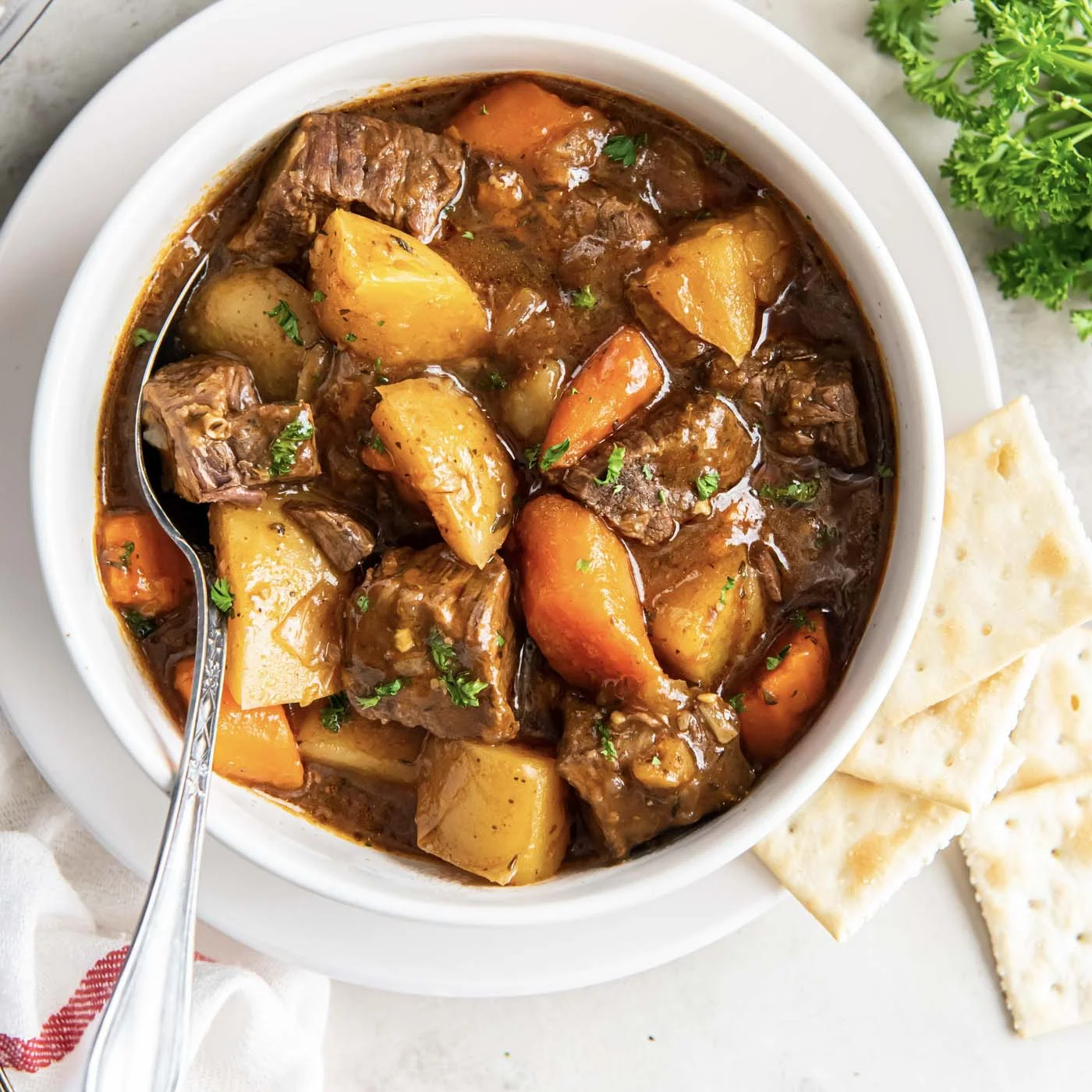
Simmer the stew gently over low heat or in a slow cooker after transferring the browned meat. This low and slow approach ensures the beef becomes tender without drying out. Add delicate vegetables such as peas near the end to preserve their color and bite. Remove herb stems before serving for a clean finish.
Tips for Perfecting Your Stew
Adjusting Thickness and Consistency
Thicken the stew by allowing it to reduce or by stirring in a slurry made from flour or cornstarch and cold water. Add the slurry gradually while simmering to avoid lumps. Proper handling of thickening agents ensures a smooth, hearty texture that clings to every bite.
Balancing Flavors: Salt, Herbs, and Acidity
Season the stew thoughtfully throughout cooking. Herbs bring aromatic nuances, while salt enhances depth. Adding a splash of acidity, such as a bit of vinegar or wine, can brighten the rich flavors. Taste regularly and adjust seasonings for a well-rounded dish.
Common Mistakes to Avoid
Overcooking vegetables can result in a mushy stew, so add them at the proper stages. Skipping the searing step reduces flavor complexity. Using a pot that doesn’t distribute heat evenly may cause scorching. Following proper techniques ensures a tender, flavorful stew every time.
Serving Suggestions and Pairings
Best Side Dishes to Complement Beef Stew
Serve the stew with crusty French bread for dipping and soaking up the savory broth. Simple side salads or steamed green vegetables provide a fresh contrast to the richness. These pairings round out the meal and add textural balance.
Wine and Beverage Pairings
A medium to full-bodied red wine such as Cabernet Sauvignon, Zinfandel, or Merlot pairs beautifully with beef stew. The wine’s robust flavors complement the stew’s hearty profile. For non-alcoholic options, opt for sparkling water with a slice of lemon to cleanse the palate.
Storing and Reheating Leftovers
Proper Cooling and Refrigeration
Cool leftover stew promptly by transferring it to shallow containers. Refrigerate within two hours to prevent bacterial growth. Stored correctly, stew can last for up to four days in the fridge or freeze for extended preservation.
How to Reheat Without Drying Out the Stew
Reheat gently on low heat, adding a splash of broth or water if needed to maintain moisture. Stir occasionally to heat evenly. Avoid high heat which can toughen meat or dry out the dish, preserving the stew’s comforting texture and rich flavors.