



















Understanding Flare-Ups: The Basics
What Causes Flare-Ups During Grilling?
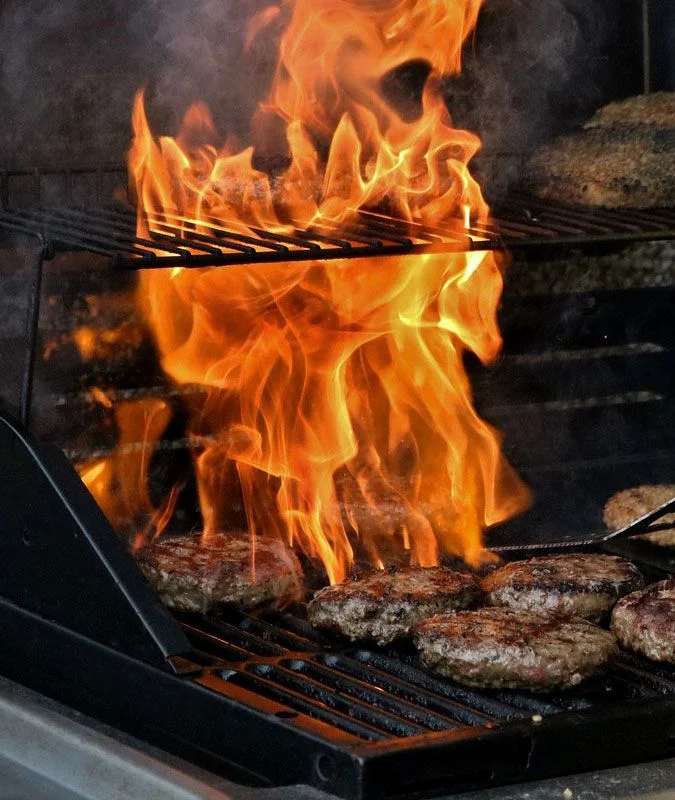
Flare-ups happen when fat, oils, or marinades drip from food onto hot coals or flames, igniting bursts of fire. These sudden flames can rise rapidly, causing unpredictable heat and sometimes charring the food. The smoky bursts are a natural part of grilling, but uncontrolled flare-ups often lead to burnt spots or ruined steaks. Understanding the root cause involves recognizing how fats and juices interact with intense heat sources.
Why Are Thick Steaks More Prone to Flare-Ups?
Thick steaks contain a significant amount of marbled fat, which melts as they cook. This runoff fat can drip extensively onto the charcoal, fueling flare-ups. Additionally, thick cuts need longer cooking times, increasing the chances of fat accumulation reaching open flames. The thickness also means that achieving a perfect sear often involves direct contact with high heat, which can ignite these drippings easily. Therefore, thick steaks require more careful flare-up management than thinner cuts.
Preparing Your Charcoal BBQ for Flare-Up Prevention
Choosing the Right Charcoal and Setup
Starting with quality charcoal is key. Lump charcoal tends to burn hotter and cleaner compared to briquettes, producing fewer residual chemicals that might exacerbate flare-ups. Setting up your charcoal properly means arranging it to limit direct flames beneath the steak, allowing you to control heat with precision. Avoid piling excessive charcoal that can cause too high temperatures, increasing fat ignition risks. Proper airflow also matters as oxygen fuels the flames—adjust vents accordingly to manage the fire intensity.
Establishing Two-Zone Fire for Controlled Cooking
Creating two distinct heat zones—direct and indirect—is an essential strategy. Pile coals densely on one side for direct high-heat cooking, and leave the other side less covered for indirect, gentler heat. This setup lets you sear the steak with direct flames initially, then move it away to cook through without constant flare-up risk. Leaving some indirect zones on the fire helps anticipate flare-up frequency and duration, providing easy refuge for the meat when flames rise unexpectedly.
Steak Preparation Techniques to Minimize Flare-Ups
Trimming Fat and Excess Marinade
Before grilling, trimming excess fat from steak edges reduces the amount of drippings that can spark flare-ups. While some fat is necessary for flavor and tenderness, carefully removing large, dangling pieces cut down sudden flare risks. Likewise, excess marinades or sugar-heavy sauces should be wiped off because sugars burn quickly, producing flare-ups that can char the crust and ruin delicate seasoning.
Ideal Seasoning Methods That Don’t Ignite Flames
Using dry rubs with minimal sugar content is preferable to sticky, sugary sauces that ignite easily on the grill. Salt, pepper, garlic powder, and herbs add flavor without increasing flare-up potential. Applying seasoning just before grilling prevents juices from mixing excessively with fats or oil, which could enlarge flare-up intensity. This careful preparation balances flavor development with flare-up reduction.
Grilling Strategies for Thick Steaks
Direct vs. Indirect Heat: When to Use Each
Begin by searing the steak over direct, hot coals to build a delicious crust. This step may produce brief flare-ups, but they contribute to flavor if managed properly. Quickly move the steak to the cooler indirect zone to finish cooking through gently, preventing prolonged exposure to intense flames. This combination controls fat-burning flare-ups while ensuring even doneness without charring the surface.
Using the Lid to Manage Oxygen and Flames
Keeping the lid closed regulates oxygen flow, limiting the oxygen that feeds flare-ups. When flames flare, closing the lid partially smothers the fire, helping to calm flare-ups without impacting overall grill temperature drastically. Opening the lid fully exposes flames to abundant oxygen, intensifying flare-ups. Learning when and how to adjust the lid efficiently is critical in managing unexpected flames safely.
During the Grill: Flare-Up Management Tips
Handling Unexpected Flames Safely
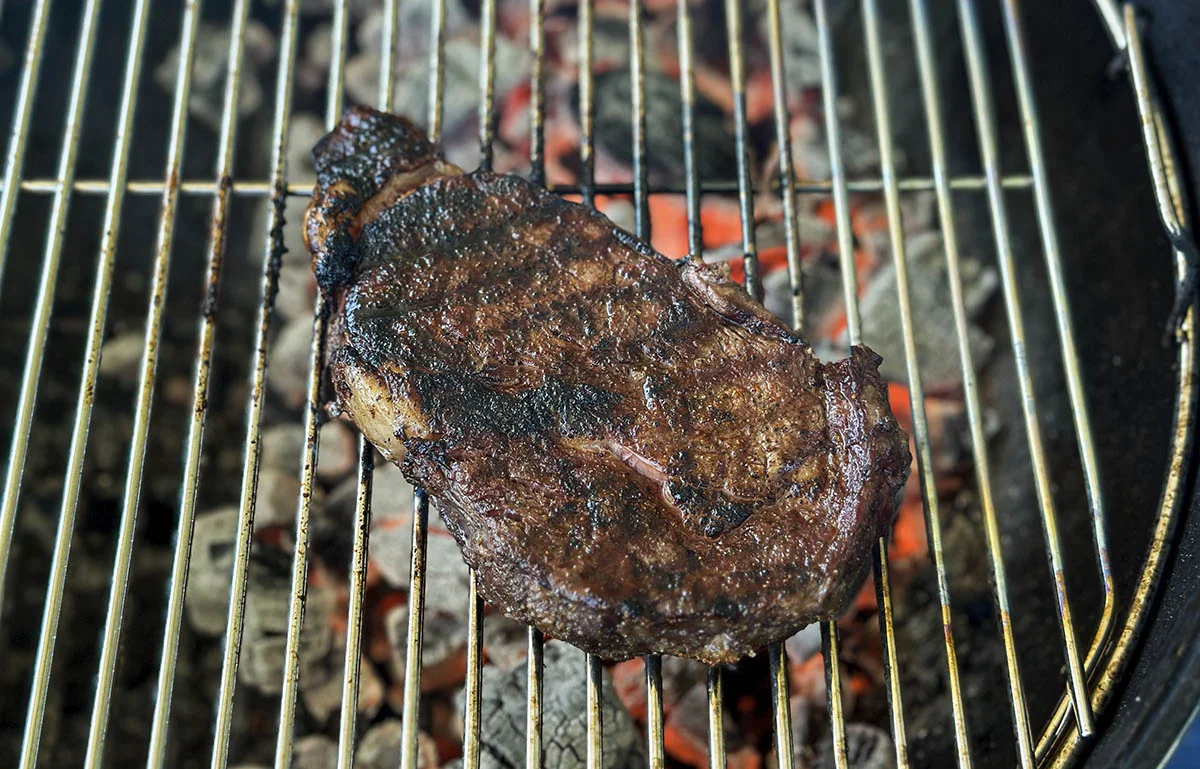
If flare-ups suddenly spike, calmly move steaks away from the immediate danger zone. Avoid using water sprays, which can spread hot ashes and intensify flames by adding oxygen. Instead, wait for flames to die down naturally or snuff them temporarily by adjusting vents or closing the lid partially. Staying attentive and keeping a fire extinguisher or baking soda nearby ensures safety without compromising your cooking.
Tools and Accessories to Control Flare-Ups
Long-handled tongs provide control for repositioning steaks quickly out of flare-up zones. Some grillers use drip pans in the indirect area to catch fat drippings, preventing them from reaching coals. Installing a grill basket or placing a layer of wood chips off to the side can absorb excess fats and reduce fiery bursts. Strategically planning your grill layout with these tools in mind makes flare-up control much more manageable throughout the cooking process.
Post-Grilling Care and Safety
How to Safely Extinguish Coals and Clean Grates
After cooking, close all grill vents and the lid to starve coals of oxygen, letting them burn out safely. Avoid dousing hot coals with water as it can produce steam, ash, and increase corrosion on the grill. Once cooled, clean grates with a wire brush to remove residual fat and food particles that may cause future flare-ups. Clean grills maintain optimal airflow and minimize flare-up risks on subsequent uses.
Maintaining Your Charcoal BBQ for Future Use
Regular maintenance ensures your charcoal grill remains a reliable tool for safe cooking. Remove ash buildup frequently to improve airflow and heat control. Inspect and replace worn-out components like grates or vents to maintain performance. A well-maintained grill not only enhances flare-up prevention but also prolongs the life of your equipment, making every steak grilling experience controlled and enjoyable.