






















Understanding BBQ Sauce Composition
Key Ingredients Affecting Storage
BBQ sauce is a flavorful blend of ingredients such as tomatoes, vinegar, sugar, spices, and sometimes smoke flavoring. The acidity from vinegar helps inhibit bacterial growth, giving the sauce a natural preservative quality. However, sugar and tomato base can ferment over time if not stored properly, causing changes in flavor and texture. For instance, a family BBQ pitmaster once stored their homemade sauce in an open jar, only to find it developing off-flavors due to prolonged air exposure. Understanding the inherent balance of these components is crucial for knowing how to store and preserve your sauce.

Shelf Life Expectations
Typically, opened BBQ sauce stored in the refrigerator lasts around one to two months before noticeable flavor degradation or spoilage begins. Homemade sauces without commercial preservatives often have a shorter shelf life, sometimes only up to two weeks when refrigerated. A backyard grill enthusiast shared how their sauce started to look foamy and smelled sour just three weeks after storing it in the fridge, confirming that homemade varieties require vigilant storage and consumption. Recognizing these timelines helps you plan your homemade sauce batches and usage accordingly.
Proper Storage Techniques for BBQ Sauce
Choosing the Right Container
Selecting an appropriate container is foundational for maintaining BBQ sauce freshness. Glass jars, particularly mason jars, are popular for their airtight seals, but it’s important to confirm they are freezer-safe if you plan to freeze the sauce. Plastic squeeze bottles are convenient, yet they can trap air, potentially accelerating spoilage if not filled properly. For instance, a BBQ caterer once made the mistake of storing a small quantity of sauce in a large bottle, leaving excessive air inside that caused the sauce to oxidize and lose its vibrant flavor within days.
Optimal Refrigeration Practices
Refrigeration slows down bacterial growth, so always refrigerate BBQ sauce immediately after use. It’s best to use clean utensils when dipping or scooping sauce to avoid contamination. Additionally, storage near the door in a fridge is less ideal because of frequent temperature fluctuations. A seasoned chef recommends placing the sauce toward the back of the refrigerator to keep it at a steady, cool temperature, prolonging its freshness.
Freezing BBQ Sauce: Pros and Cons
Freezing BBQ sauce can extend its shelf life significantly, preserving it for up to six months. However, not all sauces freeze equally well. Sauces with a high sugar content may crystallize, altering texture upon thawing. Additionally, sauces stored in containers that allow too much air exposure risk freezer burn. A home cook once learned the importance of squeezing air out of plastic bags before freezing their sauce, noticing a marked difference in flavor retention compared to sauces frozen in loosely sealed containers. Ultimately, freezing is a great option if done thoughtfully, but reheating techniques must be careful to avoid flavor loss.
Signs of Spoiled BBQ Sauce
Visual Indicators
One of the first signs that BBQ sauce has spoiled is the presence of bubbles or foam on the surface, indicating fermentation. Mold growth, visible as patches of green, white, or black, is an unmistakable sign that the sauce must be discarded. Color changes, especially dullness or darkening, may also hint at spoilage, though they can sometimes simply reflect oxidation. A grill master shared that spotting tiny bubbles when stirring the sauce alerted them early to potential spoilage, saving them from serving a ruined batch.
Smell and Taste Tests
Smelling your sauce is often the quickest test for freshness. A pungent vinegar smell that seems overly harsh or sourness beyond the usual tanginess signals fermentation. Taste tests should be done cautiously; a sour, off, or fermented flavor means the sauce is no longer good. One BBQ enthusiast recounted tasting sauce that had developed a strong vinegar aroma and tang, which was their cue to discard the entire batch rather than risk ruining their meal.
Step-by-Step Guide to Reheating BBQ Sauce
Safe Heating Methods
When reheating BBQ sauce, gentle heat is key to preserving both flavor and texture. Using a stovetop over low heat allows gradual warming, preventing the sugars from scorching. Alternatively, microwaving in short bursts with stirring in between helps avoid overheating. Heating directly in the container it was stored in is safe only if the container is microwave-safe and designed for heat. A backyard chef shared that reheating large quantities at once over low flame helped retain the smoky aroma better than quick, high heat methods.
Avoiding Flavor Loss During Reheating
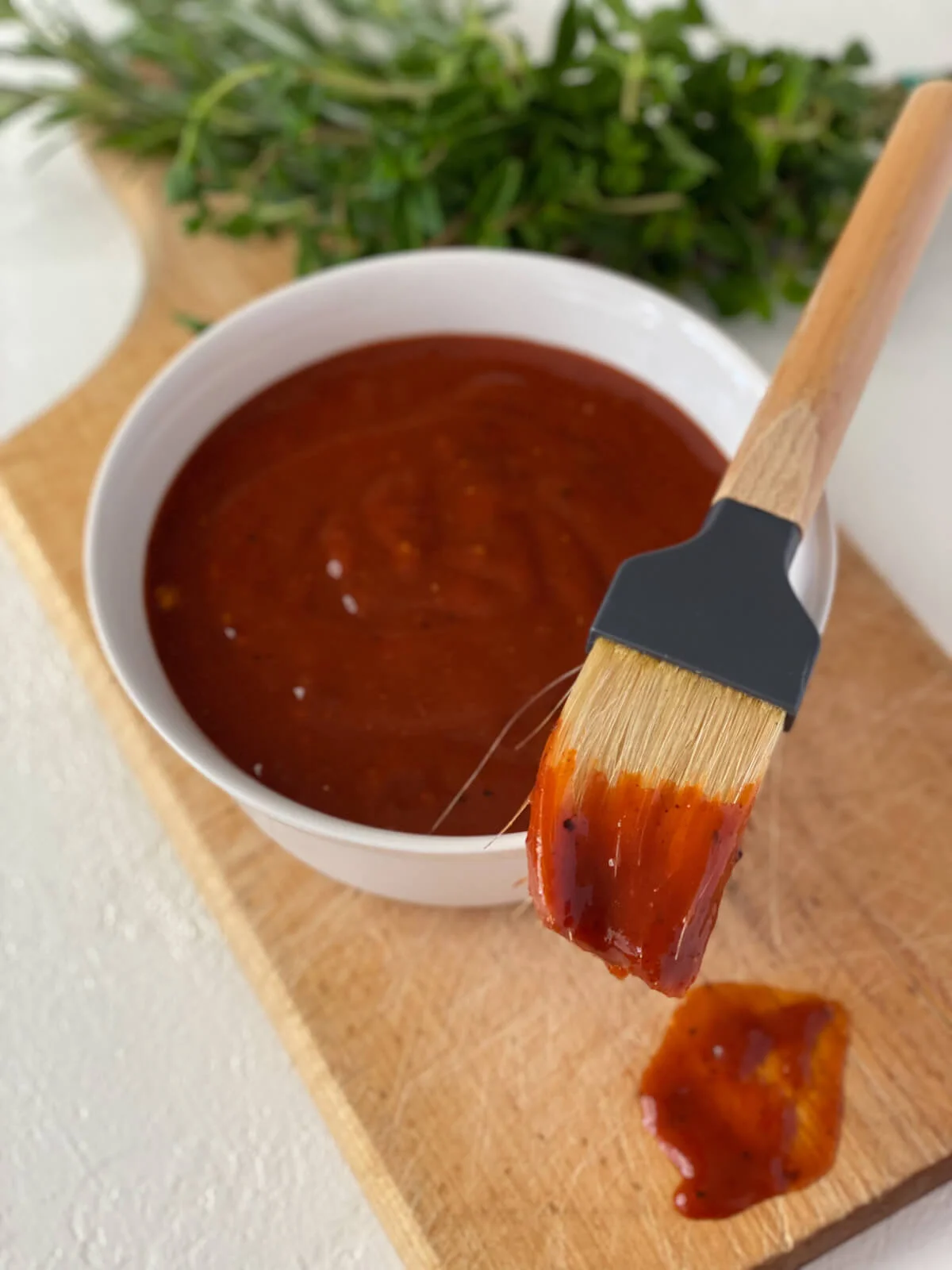
Overheating BBQ sauce can cause it to lose its bright flavors, turning it bitter or burnt. Stirring during reheating helps distribute heat evenly and prevents sticking. Adding a small splash of water or fresh vinegar can reinvigorate the sauce if it tastes flat after reheating. For example, one pitmaster swears by adding a tablespoon of apple cider vinegar after warming their sauce to restore its original tang and vibrancy.
Tips to Maintain Maximum Flavor
Enhancing Sauce Freshness Post-Reheat
After reheating, enhancing BBQ sauce’s flavor can be as simple as whisking in fresh herbs or a pinch of spices. Some prefer mixing in a touch of fresh lemon juice or a bit of honey to balance any muted notes. A weekend griller mentioned that fresh cracked black pepper and a dash of smoked paprika added after reheating enhanced their sauce’s complexity and gave it a freshly made taste.
Common Mistakes to Avoid
Many BBQ lovers make the error of storing sauces in containers that are too large with only a small amount of sauce inside, which traps air and accelerates spoilage. Leaving sauce out to freeze before properly cooling it can create harmful bacteria growth during the warming phase. Ignoring mold, bubbles, or off smells risks foodborne illness. Lastly, using non-airtight or non-freezer-safe containers can cause freezer burn or spoilage, ruining your efforts. Paying close attention to these common pitfalls will help ensure your BBQ sauce stays fresh and delicious every time.