


















Understanding Tough Cuts: Flank and Skirt Steak
Characteristics and Challenges
Flank and skirt steaks are known for their rich flavor but can be challenging due to their toughness. These cuts come from muscles that get a lot of exercise, resulting in dense fibers and connective tissue. The pronounced grain in both cuts requires careful preparation to avoid a chewy texture.
Why Tenderizing is Essential
Tenderizing these steaks transforms their texture, making them more enjoyable to eat. Without tenderizing, the meat can be tough and hard to chew. A well-crafted marinade breaks down muscle fibers and connective tissues while enhancing flavor, balancing toughness with tenderness.
Essential Ingredients for a Tenderizing Steak Marinade
Acidic Components: Vinegar, Citrus, and More
Acids play a pivotal role in tenderizing tough cuts. Ingredients like vinegar, lemon juice, and lime juice help break down proteins in the steak. They soften the outer surface and begin the tenderization process quickly. Choosing mild acids ensures the meat remains flavorful without becoming mushy.
Enzymatic Tenderizers: Pineapple, Papaya, and Kiwi
Natural enzymes from fruits such as pineapple, papaya, and kiwi accelerate meat breakdown. Bromelain in pineapple and papain in papaya target muscle fibers effectively. These enzymes can tenderize faster than acid alone but should be used cautiously to avoid over-tenderizing.
Flavor Enhancers: Herbs, Spices, and Oils
Herbs and spices add depth to the marinade while aromatic oils help distribute flavors evenly. Ingredients like garlic, rosemary, black pepper, and olive oil complement the steak’s natural taste. Oils also assist in moisture retention during cooking, contributing to a juicier result.
Step-by-Step Guide to Creating the Perfect Marinade
Choosing the Right Ratio of Ingredients
The balance between acids, enzymes, and oils is crucial. A common base is one part acid to three parts oil, with added herbs and spices to taste. This ratio ensures sufficient tenderizing power without overwhelming the meat’s texture or flavor.
Combining Ingredients for Maximum Tenderization
Start by mixing the acidic component with enzymatic fruits, if used, and then blend in oil and seasonings. Combining these correctly allows each element to work synergistically. Make sure the mixture is well emulsified for consistent coating on the steak.
Marinating Time and Techniques
Marinate flank or skirt steak for 2 to 8 hours, depending on acidity and enzyme strength. Longer isn’t always better; over-marinating can lead to a mushy texture. Use a resealable bag or shallow dish to ensure even coverage and refrigerate during marination for food safety.
Tips for Marinating and Cooking Tough Cuts
Proper Storage and Safety Precautions
Always marinate in the refrigerator to prevent bacterial growth. Avoid reusing leftover marinade unless it’s boiled first to kill pathogens. Use clean utensils and containers throughout to maintain hygiene and preserve meat quality.
Optimal Cooking Methods for Flank and Skirt Steaks
High-heat methods such as grilling, broiling, or searing work best for these cuts. Quick cooking at high temperatures preserves juiciness and enhances caramelization. Avoid slow, low-heat cooking, which may toughen the fibers further.
Resting and Serving Suggestions
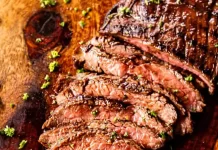
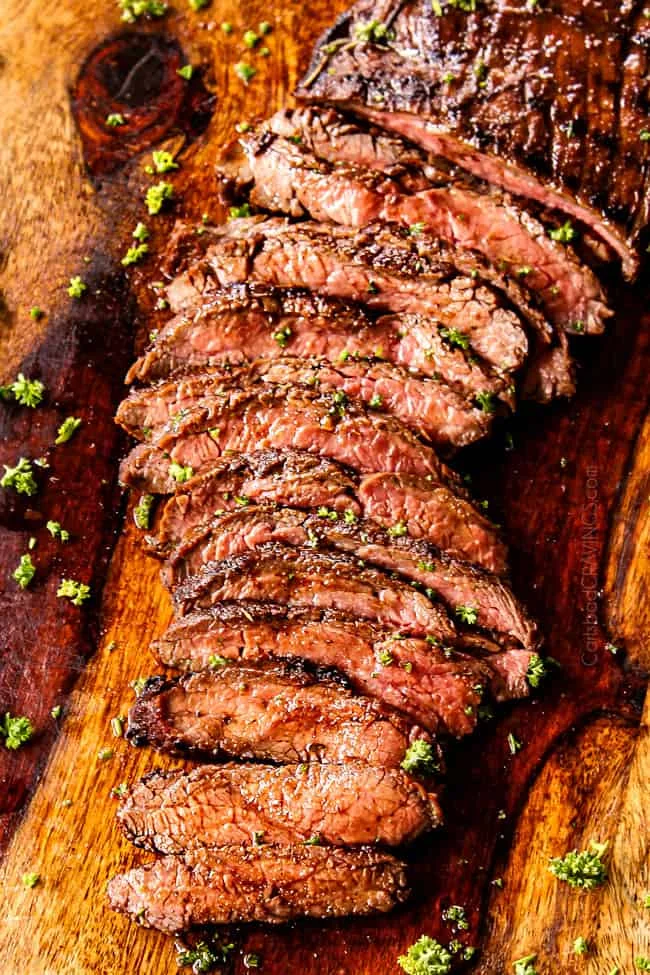
After cooking, let the steak rest for 5 to 10 minutes to redistribute juices. Always slice against the grain to shorten muscle fibers, making each bite tender. Serve with complementary sides or in dishes like fajitas or salads to highlight the flavorful, tender meat.
Common Mistakes to Avoid When Making Steak Marinades
Over-marinating and Under-marinating
Too little marination results in minimal tenderizing, while too much can cause unpleasant texture changes. Always follow recommended times and check the meat’s feel during the process to achieve balance.
Using Too Much Acid or Salt
Excess acid can denature proteins aggressively, making the surface mushy. Similarly, too much salt draws out moisture, drying the steak. Moderation is key to preserving both tenderness and juiciness.
Alternative Approaches for Tenderizing Tough Steaks
Mechanical Tenderizing: Pound and Score
Physically breaking down muscle fibers is effective for flank and skirt steaks. Light pounding with a meat mallet or scoring the surface disrupts toughness before marinating, enhancing overall tenderness.
Dry Brining and Other Techniques
Dry brining with salt enhances flavor and moisture retention without introducing acidity. Combining techniques such as dry brining and mechanical tenderizing with marination can yield superior results for challenging cuts.