


















Essential Ingredients for Thick and Creamy Chicken and Wild Rice Soup
Choosing the Right Chicken Cuts
For a rich and flavorful broth, bone-in chicken cuts like thighs or drumsticks are ideal. They release natural gelatin and deepen the soup’s taste. However, boneless chicken breasts can be used for convenience and a leaner option. Cooking the chicken slowly ensures tender, juicy meat that enhances the overall texture of the soup.
Selecting the Perfect Wild Rice
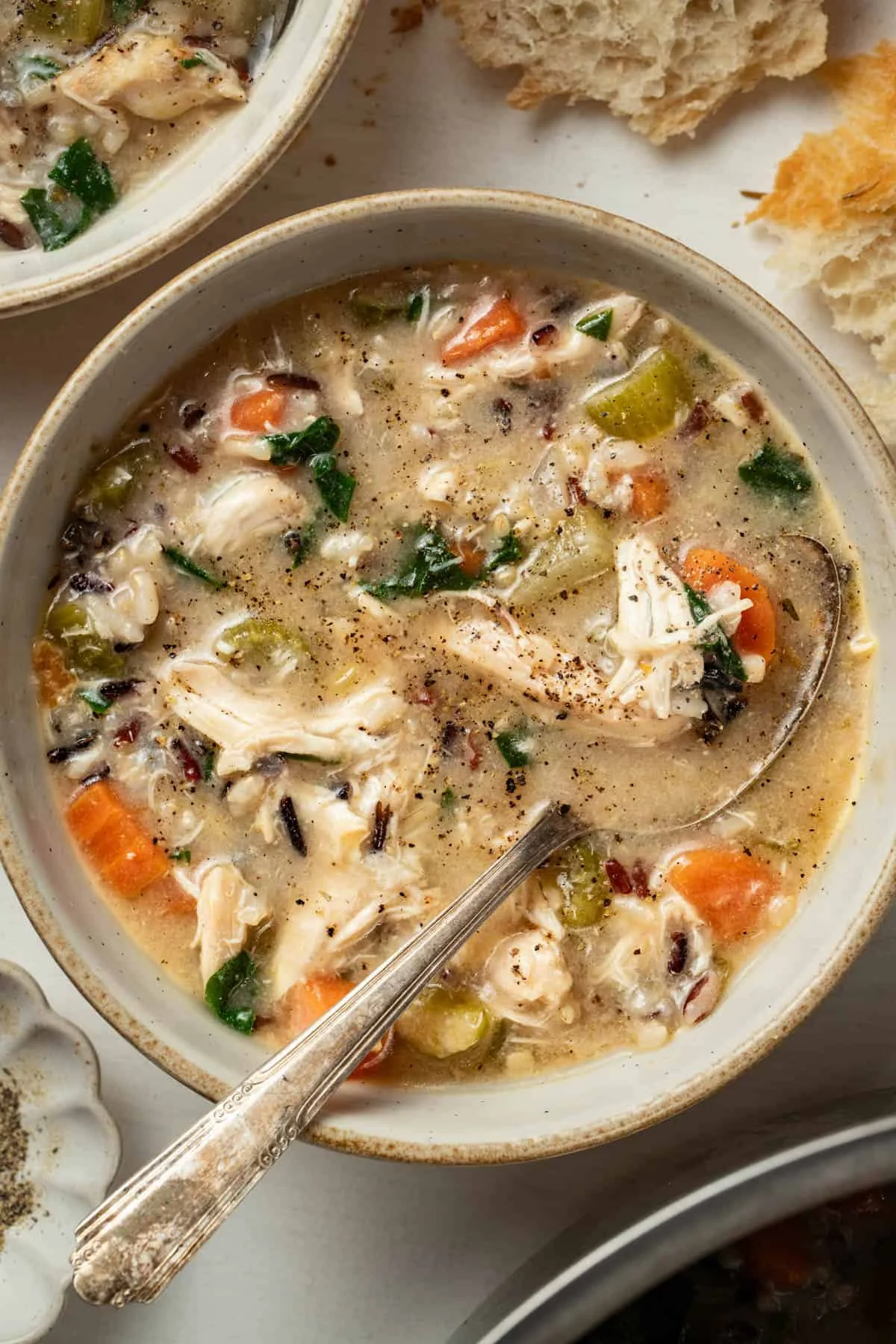
Wild rice is not technically rice but seeds of an aquatic grass, known for its chewy texture and nutty flavor. A wild rice blend that includes different varieties such as brown and white rice is recommended. This mixture offers a balanced texture and cooks to al dente without becoming mushy, which is essential to keep the soup hearty and satisfying.
Key Dairy Components for Creaminess
The creamy consistency comes from using dairy or dairy alternatives. Whole milk provides a rich base without heaviness. Unsweetened almond milk or other plant-based milks can substitute for a lighter, dairy-free version. Avoid heavy cream to keep the soup balanced but still silky and indulgent.
Herbs and Spices That Complement the Soup
Classic dried herbs like poultry seasoning and thyme offer a cozy, slow-cooked aroma that pairs beautifully with chicken and wild rice. Additional subtle enhancements like mustard powder, soy sauce, and a splash of white wine or broth for deglazing contribute layers of flavor without overpowering the soup’s comforting profile.
Step-by-Step Guide to Preparing the Soup Base
Sautéing the Aromatics for Flavor
Begin by sautéing aromatic vegetables such as onions, celery, and carrots until tender. This step builds the soup’s flavor foundation. Use a silicone spatula for even cooking in a Dutch oven, allowing the natural sweetness of the vegetables to develop before adding liquids.
Cooking the Chicken for Optimal Tenderness
Add the chicken pieces to the sautéed vegetables and cover with broth. Simmer gently to cook the chicken thoroughly without drying it out. Slow cooking extracts maximum flavor and keeps the meat tender enough to shred or cube for the soup.
Incorporating Wild Rice Without Overcooking
Wild rice should be simmered separately until it reaches al dente texture. This prevents it from soaking up too much broth during the final cooking stage, maintaining its characteristic chew. Cooking rice separately also allows for better control over soup consistency and easier storage of leftovers.
Techniques to Achieve the Ideal Thick and Creamy Texture
Using Roux or Slurry for Thickening
A roux made from flour and fat cooked together adds depth and smoothness. Alternatively, a slurry of flour mixed with cold water or milk can gently thicken the soup when stirred in. For gluten-free options, a 1:1 gluten-free baking flour blend works just as well.
Blending Part of the Soup for Creaminess
For added richness without extra cream, blend a portion of the soup until smooth and stir it back into the pot. This technique thickens the broth naturally and creates a velvety texture while preserving chunks of chicken and vegetables for varying mouthfeel.
Balancing Liquid Ratios for Consistency
Maintaining the right amount of broth and milk is essential to avoid an overly thin or excessively thick soup. Start with broth as the main liquid and add milk gradually to reach the desired creaminess. Adjust as the soup simmers, remembering that wild rice will absorb some liquid, so leave room for expansion.
Tips for Serving and Storing Your Chicken and Wild Rice Soup
Best Accompaniments for Cozy Winter Nights
This soup pairs wonderfully with warm, soft breads such as Cheddar Bay Biscuits or Buttermilk Biscuits. Gluten-free focaccia or flatbread can be used for those with dietary restrictions. These sides soak up the creamy soup, enhancing the cozy winter meal experience.
Storing Leftovers While Maintaining Flavor
Cool the soup to warm or room temperature before refrigerating in airtight containers. It keeps well for up to three days. Consider storing rice separately if you expect to reheat portions multiple times to retain texture and prevent mushiness. Freezing is possible but may slightly change texture upon thawing.
Reheating Without Losing Creaminess
Reheat soup gently over low heat, stirring occasionally to prevent scorching. Add a splash of milk or broth if the soup has thickened too much. Avoid high heat, which can cause dairy to separate, ensuring the soup remains smooth and comforting for your next serving.