






















Understanding Skin Elasticity and Its Importance
What is Skin Elasticity?
Skin elasticity refers to the skin’s ability to stretch and return to its original shape. It is a key indicator of youthful, healthy skin. Elasticity depends largely on the structural proteins collagen and elastin, which form the skin’s supportive framework. When these proteins function optimally, the skin remains firm and flexible.
Factors Affecting Skin Elasticity
Several elements influence skin elasticity, including age, genetics, and environmental exposure. Over time, collagen production decreases naturally, leading to a loss of firmness. Ultraviolet (UV) radiation from sun exposure breaks down collagen, accelerating wrinkles and sagging. Lifestyle choices like smoking and poor diet also degrade the skin’s ability to maintain elasticity.
Signs of Reduced Elasticity: Fine Lines and Wrinkles
Reduction in skin elasticity often manifests as fine lines, wrinkles, and sagging, especially around the eyes, mouth, and neck. These visible signs occur because the skin loses its resilience and volume. While aging is inevitable, maintaining elasticity can delay the onset of these changes and preserve a youthful glow.
Powerful Natural Ingredients to Enhance Skin Elasticity
Hyaluronic Acid: Nature’s Hydrator
Hyaluronic acid is a naturally occurring substance in the skin known for its remarkable ability to retain moisture. It keeps skin plump and hydrated, which helps maintain elasticity. Applied topically, it enhances the penetration of other beneficial ingredients and improves overall skin texture.
Vitamin C: The Brightening Antioxidant
Vitamin C is a potent antioxidant that supports collagen synthesis and protects the skin from environmental damage. Beyond brightening and evening skin tone, it plays a vital role in strengthening skin structure. Gentle derivatives like magnesium ascorbyl phosphate are excellent for sensitive skin.
Retinol from Plant Sources: Stimulating Collagen Production
Retinol and its natural plant-based precursors stimulate collagen production and accelerate skin renewal. Introducing retinol gradually helps avoid irritation, especially for sensitive skin. Regular use promotes smoother skin and reduction of fine lines by encouraging cellular turnover.
Peptides in Natural Extracts: Skin Repair Boosters
Peptides are small protein fragments that signal the skin to repair itself and increase collagen levels. Found naturally in some botanical extracts, peptides support skin firmness and elasticity by enhancing the skin’s natural regeneration processes. Consistent use improves texture and resilience.
Herbal Extracts and Oils with Proven Benefits
Aloe Vera: Soothing and Rejuvenating
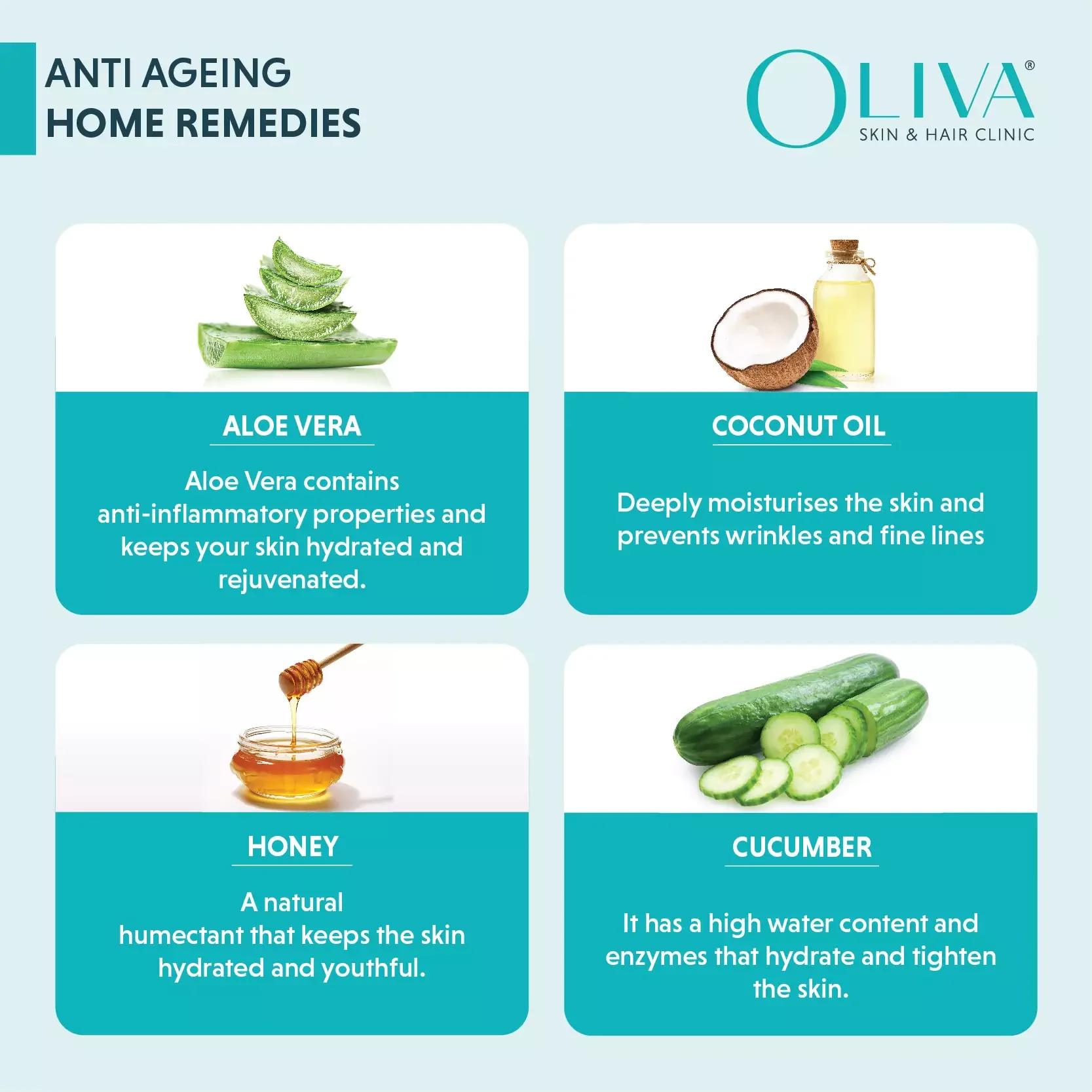
Aloe vera gel is renowned for its soothing and hydrating properties. It calms irritated skin and supports the healing process, making it ideal for maintaining healthy skin elasticity. Aloe also aids in boosting collagen synthesis, contributing to skin firmness and elasticity.
Rosehip Oil: Rich in Essential Fatty Acids
Rosehip oil is packed with essential fatty acids and antioxidants, which help repair damaged skin and improve elasticity. Its lightweight texture penetrates deeply, nourishing the skin and reducing the appearance of fine lines. Regular application enhances skin softness and suppleness.
Green Tea Extract: Anti-Inflammatory and Protective
Green tea extract contains powerful antioxidants and anti-inflammatory compounds. These protect skin from oxidative stress and UV damage, key factors in reduced elasticity. Green tea’s protective effects help maintain a youthful appearance and support long-term skin health.
How to Incorporate These Ingredients in Your Routine
Choosing the Right Skincare Products
Select products that contain stable forms of active ingredients like vitamin C derivatives or hyaluronic acid for maximum benefit. Start retinol use slowly to allow your skin to adjust and prevent irritation. Daily use of antioxidant serums can shield the skin from environmental stressors and enhance elasticity over time.
DIY Natural Remedies for Skin Elasticity
Natural remedies can complement your skincare routine. For example, applying fresh aloe vera gel or a homemade mask using mashed papaya and lime juice can provide soothing hydration and gentle exfoliation. Introducing nutrient-rich foods like avocado and spinach into your diet also supports skin health from within.
Expert Tips for Maintaining Youthful, Elastic Skin
Lifestyle Adjustments to Prevent Skin Aging
Protecting your skin from excessive sun exposure is crucial. Regular use of broad-spectrum sunscreen prevents UV-induced collagen breakdown. Avoid smoking, reduce stress, and maintain consistent sleep patterns to support skin repair and elasticity. Remember to include your neck and hands in your skincare regimen to combat signs of aging.
Diet and Hydration for Healthy Skin
A diet rich in colorful fruits and vegetables provides essential antioxidants and vitamins needed for collagen synthesis. Hydration is vital; drinking adequate water and consuming hydrating foods like watermelon and cucumber help preserve skin moisture and elasticity. Incorporate nuts with their skins intact to maximize nutrient intake.
When to Consult a Dermatologist
If you notice persistent loss of skin elasticity or deep wrinkles despite a good skincare routine, consulting a dermatologist is advisable. Professionals can recommend treatments and products tailored to your skin type, including prescription-strength retinoids or procedural options to restore firmness and smoothness effectively.