






















Understanding the Importance of a Morning Routine
How Morning Habits Influence Daily Energy Levels
Imagine Sarah, a busy marketing manager, who used to hit the snooze button multiple times every morning, rushing through breakfast while scrolling on her phone. By noon, she often felt drained, reaching for multiple cups of coffee just to stay alert. What changed for Sarah was a simple shift—a consistent morning routine that set a steady tone for her entire day. Morning habits shape how our bodies and minds perform. When we start with intentional actions like hydration, light exposure, and gentle movement, these habits prime our energy reserves and cognitive function, reducing mid-morning slumps and boosting productivity naturally.
The Science Behind Waking Up Refreshed
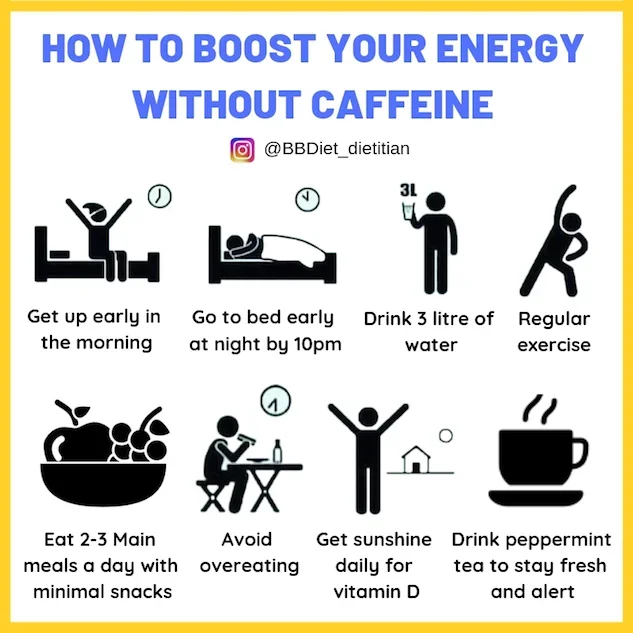
Waking up feeling refreshed isn’t just luck; it involves several physiological processes. Our internal body clock, or circadian rhythm, regulates sleep-wake cycles and hormone release, like cortisol, which promotes alertness in the morning. Proper exposure to natural light upon waking helps reset this clock, signaling your body that it’s time to be active. Additionally, quality sleep stages and even subtle morning hydration aid in replenishing energy stores. When these elements align—with a calming wake-up process and a stable routine—our bodies transition more smoothly from sleep inertia to full alertness.
Wake-Up Techniques That Jumpstart Your Energy
Natural Light Exposure and Its Benefits
John struggled with grogginess every morning, especially during winter months. One morning, he decided to open his front door right after waking to get some fresh air and natural light, even though it was cloudy outside. He noticed a surprising boost in his alertness. Natural light exposure, particularly in the first hour after waking, suppresses melatonin production, a hormone responsible for sleepiness. It also encourages serotonin production, which can enhance mood and energy. When stepping outside isn’t possible, bright light therapy lamps emitting 10,000 lux can mimic these effects, reinforcing the body’s wake signals.
Breathing Exercises to Increase Oxygen Intake
During her morning commute, Maria began practicing deep breathing exercises while listening to calming music. This simple change helped her manage stress and feel more awake. Breathing techniques increase oxygen flow to the brain, which sharpens concentration and uplifts energy naturally. Techniques like diaphragmatic breathing or the 4-7-8 method can be done anywhere—whether waiting for coffee to brew or sitting at your desk. Over time, these exercises reduce feelings of fatigue and improve mental clarity without needing caffeine boosts.
The Role of Hydration First Thing in the Morning
After waking, Mark sipped a glass of water with a slice of cucumber and a pinch of sea salt. He found this refreshing ritual helped him shake off morning lethargy. Hydrating after hours without fluid intake replenishes what the body lost overnight, boosting cellular function. Dehydration, even mild, can lead to fatigue and reduced alertness. Adding elements like lemon or a dash of electrolytes can support detoxification and hydration effectiveness. Starting the day with water ensures that your body has the essential fuel to keep energy steady throughout the morning.
Physical Activities to Energize the Body Naturally
Stretching Routines for Morning Vitality
After years of feeling stiff and sluggish in the morning, Emily added a simple five-minute stretching routine to her wake-up habits. Reaching for the ceiling, gentle spinal twists, and hamstring stretches helped her blood flow and loosen tense muscles. Stretching wakes up the body gradually, increases circulation, and can reduce tension stored overnight. Even brief movements bring oxygen-rich blood to muscles and the brain, flushing out sleep inertia and preparing you for the day ahead.
Simple Yoga Poses to Enhance Alertness
For Raj, a few sun salutations and balancing poses became the cornerstone of his morning energy boost. Yoga postures like Downward Dog or Warrior II gently challenge the body, improve posture, and support deep breathing—all while quieting the mind. This combination fosters both physical and mental alertness. When done shortly after waking, yoga can elevate heart rate moderately without exhaustion, promoting a calm but energized state that lasts beyond the session.
Quick Cardio Workouts Under 10 Minutes
Samantha, a busy nurse, found she couldn’t carve out long exercise sessions in the morning. Instead, she started climbing her stairs briskly for three rounds or following short Pilates videos online. Even under ten minutes of cardio movement can ignite your metabolism and increase energy. This quick burst of activity signals the nervous system to ramp up, clearing away drowsiness. The key is consistency—making it a non-negotiable part of the routine that fits into any schedule.
Nutrition Tips for Sustained Morning Energy
Healthy Breakfast Ideas Rich in Protein and Fiber
Jenny replaced her sugary cereal with oatmeal topped with soy milk, wild blueberries, and a dollop of almond butter. This balanced breakfast sustains her energy without sharp crashes. Protein and fiber digest slowly, stabilizing blood sugar and maintaining energy levels. Incorporating ancient grains, nuts, and antioxidant-rich fruits provides a nutrient-dense start. Such foods avoid the pitfalls of high glycemic index meals that cause blood sugar spikes followed by energy crashes.
Foods and Drinks to Avoid That Drain Energy
Many people unwittingly sabotage their mornings by reaching for pastries, sugary drinks, or excessive caffeine. Consuming high glycemic index foods can bring an initial sugar rush but quickly lead to energy slumps and brain fog. Additionally, caffeine consumed after mid-afternoon or in large quantities may disrupt nighttime sleep, creating a vicious cycle of fatigue. Foods heavy in refined carbs or sugar rob your body of steady energy, so avoiding them or enjoying them occasionally can make a profound difference in sustaining vitality.
Mindset and Mental Practices to Boost Morning Energy
Benefits of Morning Meditation and Visualization
Tom started spending five minutes on morning meditation, focusing on his breath and visualizing a successful day. This practice helps calm the mind, reduce stress, and enhance focus. By clearing mental clutter first thing, you prevent energy drain caused by anxiety or scattered thoughts. Visualization creates a positive mindset that fuels motivation. Integrating these mental moves can result in feeling more grounded and energized throughout the day.
Setting Intentions and Priorities for the Day
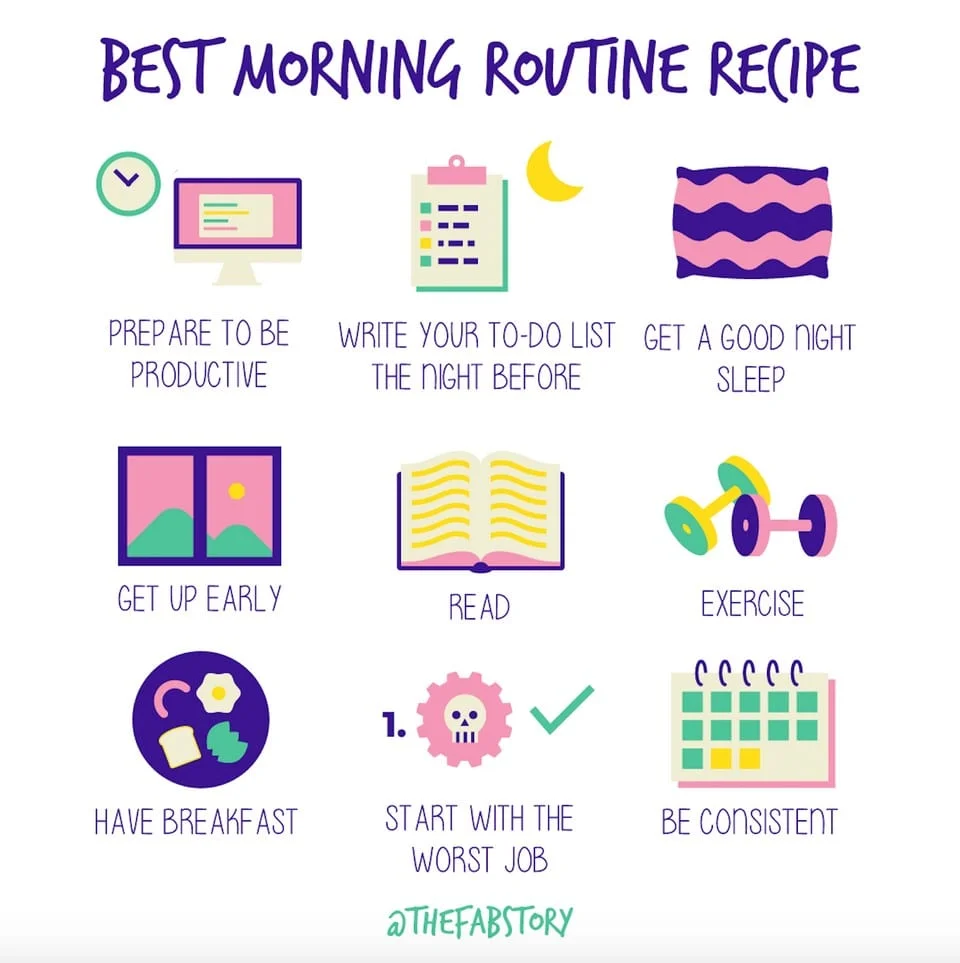
Before diving into work emails, Lisa writes down two or three top priorities for the day and breaks them into manageable steps. This habit reduces overwhelm and clarifies focus, preventing time and energy from being wasted on less urgent tasks. When you begin the day intentionally, energy is spent purposefully rather than being scattered or depleted by multitasking. Proper planning yields a smoother, more energized flow.
Tech and Tools to Support Your Morning Energy Routine
Apps for Guided Morning Workouts and Meditations
When Mike wanted to build a consistent routine, he turned to apps like Calm for meditation and YouTube channels offering short Pilates or yoga sessions. These guided tools provide structure and variety, making it easier to stick with morning practices. The flexibility to choose duration and intensity helps tailor the routine to changing needs while keeping motivation high. Access to expert instruction ensures movements and breathing practices are effective and safe.
Wearables That Track Sleep and Energy Patterns
Emma invested in a wearable device that monitors her sleep stages and daily activity. Over time, she discovered patterns—such as how caffeine timing affected her rest and energy next morning. These insights empowered her to tweak habits for better outcomes. Sleep and activity trackers give objective feedback, helping you understand what truly impacts energy. The data can guide adjustments like bedtime, hydration, or movement for personalized improvement.
Creating a Sustainable, Personalized Morning Routine
How to Gradually Build and Adapt Your Routine
Many fail to maintain a morning routine because they attempt drastic changes all at once. Anna began by simply drinking water and stretching first thing, then added a light breakfast and short breathing exercises over weeks. This gradual layering made the routine manageable and less overwhelming. It’s important to experiment and adjust—trying different hacks individually to find what fits your lifestyle and energy needs best. A sustainable routine develops when it feels enjoyable, not burdensome.
Tracking Progress and Adjusting for Best Results
Keep a simple journal or use an app to note your energy levels, mood, and productivity each morning after trying new habits. For example, if skipping sugary breakfast improves your midday focus, that’s a sign to continue. If a new breathing technique feels awkward, it’s okay to try something else. Regularly reviewing progress allows for fine-tuning. Ultimately, a personalized routine that evolves with your life circumstances is key to long-term energy and well-being.