






















Understanding the Importance of Proper Posture in Workouts
How Posture Affects Your Performance and Injury Risk
Proper posture during workouts is fundamental to maximizing your performance and minimizing injury risk. When your body aligns correctly, muscles work efficiently, joints move smoothly, and your balance improves. Poor posture places undue stress on certain muscles and joints, leading to imbalances that can decrease endurance and strength. Over time, this misalignment can increase the risk of strains, sprains, or more severe injuries.
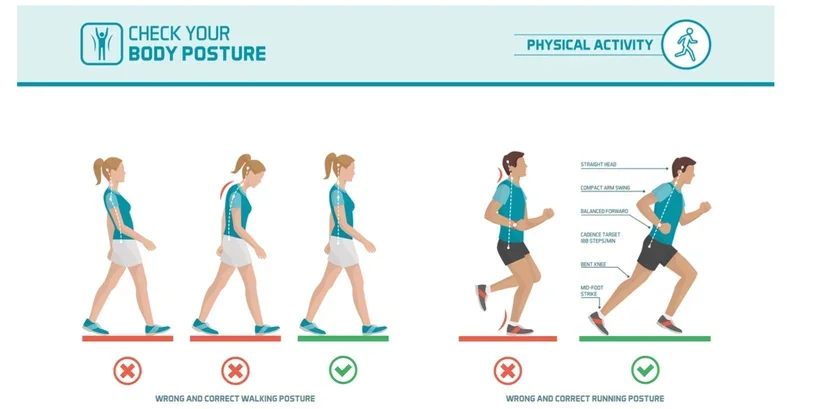
Maintaining good posture ensures that the right muscles are activated during exercises, which enhances overall workout effectiveness. It also protects your spine and reduces unnecessary fatigue that arises from compensating for poor alignment.
Common Posture Mistakes During Exercise
Many people unknowingly adopt harmful postural habits during exercise. Holding the body in poor positions throughout the day without correction often carries over to workout sessions. Common errors include locking the knees while standing, neglecting neutral pelvis alignment, and using improper techniques when moving in and out of positions. Additionally, some individuals strengthen muscles without adequate stretching, creating tightness that results in discomfort or pain.
Another frequent mistake is ignoring posture during activities like sitting or lying down, which can exacerbate imbalances when exercising. Recognizing and avoiding these errors is essential for safe and effective workouts.
Techniques for Tracking Posture in Real-Time
Using Mirrors and Video Feedback Effectively
One practical way to monitor your posture during workouts is by using mirrors. Observing yourself in a mirror allows you to see alignment deviations immediately and make necessary adjustments. Positioning mirrors to view multiple angles can help ensure proper form from front, side, and back perspectives.
In addition to mirrors, recording your workouts on video offers the advantage of reviewing your movements in detail after exercise sessions. Slow-motion playback and frame-by-frame analysis reveal subtle posture flaws that may not be obvious in the moment. Combining both methods can greatly improve awareness of your body’s positioning.
Wearable Technology and Posture Tracking Apps
The rise of wearable devices and posture tracking apps provides another level of real-time feedback. These tools often use sensors to detect body position and send alerts when posture drifts from ideal alignment. While not a replacement for professional guidance, they can raise awareness and encourage conscious adjustments during exercise.
Some apps also offer personalized tips and routines tailored to your unique posture challenges. Incorporating technology thoughtfully can be a valuable supplement to visual tracking methods.
Step-by-Step Guide to Correct Your Posture During Different Exercises
Posture Tips for Strength Training
During strength training, maintaining a neutral spine and balanced muscle activation is crucial. Avoid the common mistake of locking knees while standing or arching the lower back excessively. Focus on engaging your core muscles to support your spine and keep your pelvis aligned neutrally.
For example, in exercises like squats or deadlifts, bending the knees slightly and softening hips helps prevent undue strain on the lower back. Always breathe steadily, and distinguish between muscle activation soreness and pain that signals injury risk. Proper form combined with controlled breathing can prevent many workout-related injuries.
Maintaining Alignment in Cardio Workouts
Cardio workouts, especially those involving running, cycling, or aerobic movements, require conscious attention to posture as fatigue sets in easily. Slouching or leaning forward excessively can cause imbalances and strain supporting muscles. Keep your chest open, shoulders back, and avoid sinking your neck into your shoulders.
Avoiding locked joints, particularly the knees, promotes shock absorption and decreases injury likelihood. Regularly remind yourself to maintain a neutral pelvis while standing or moving to support your body’s natural alignment. When breathing deeply and steadily, your movements will feel more rhythmical and controlled.
Proper Form in Flexibility and Balance Exercises
Flexibility and balance exercises like yoga or Pilates demand precise posture to be effective and safe. Neglecting to stretch tight muscles or pushing beyond comfort can lead to injuries. Supporting joints correctly, such as using pillows in Child’s Pose or slightly bending knees during forward bends, helps maintain alignment and avoid discomfort.
Engaging the core and aligning body segments in poses like side plank or High Plank protects your spine and enhances stability. Hold stretches for recommended durations and focus on steady breathing to deepen your practice without risking strain. Avoid forcing positions that cause sharp pain and instead use props to maintain safe alignment.
Routine Assessments to Monitor Alignment Progress
Self-Check Routines to Identify Postural Deviations
Regular self-assessment is vital for detecting subtle posture changes before they lead to injury. Simple checks, such as evaluating shoulder symmetry, pelvis position, and spinal curves while standing or moving, can reveal imbalances. Using mirrors or video recordings periodically helps maintain objectivity about your posture.
Incorporate brief posture scans throughout your workout routines and daily activities. When you notice deviations like locked knees, a tilted pelvis, or a forward head position, pause to reset and realign for safer movement habits.
When and How to Seek Professional Advice
If you consistently struggle to maintain good posture despite self-monitoring, or if you experience persistent discomfort during workouts, it may be time to seek professional input. Experts such as physical trainers or movement specialists can provide tailored assessments and guidance to address your unique posture challenges.
Professional evaluation can identify underlying muscular imbalances or structural concerns that are difficult to detect independently. Early intervention through expert advice can prevent minor postural issues from progressing into chronic problems.
Building Core Strength and Flexibility to Support Good Posture
Key Exercises to Strengthen Your Core Muscles
A strong core is the foundation of good posture during workouts and everyday life. Weak core muscles often lead to compensations that strain the back and other areas. Incorporate exercises like planks, side planks, and controlled abdominal activation to build this essential support system.
Focus on maintaining proper form and breathing while performing these exercises. Engaging your abdominals, side body, and glutes in coordinated movement keeps your spine stable and aligned. Mild muscle soreness after strengthening is normal, indicating effective activation, but always avoid pushing into sharp pain.
Stretching Techniques to Enhance Postural Alignment
Complement core strengthening with targeted stretching to maintain muscle balance and flexibility. Stretch tight areas regularly to prevent imbalances that affect posture. Techniques such as chest opening stretches with proper hand positioning help counteract rounded shoulders.
Use supportive props like pillows or folded blankets to assist in stretches when needed. Emphasize steady breathing during stretches and hold positions for recommended times to safely lengthen muscles. Avoid overstretching, which can cause injury, and differentiate between mild discomfort and pain.
Preventing Workout-Related Injuries Through Posture Awareness
Signs Your Posture Needs Immediate Attention
Awareness of your body’s signals during workouts is key to preventing injuries related to poor posture. Immediate warning signs include sharp or persistent pain, unusual fatigue in specific muscles, and inability to maintain proper alignment despite effort. Locked joints, especially knees when standing or moving, indicate poor postural habits that may increase injury risk.
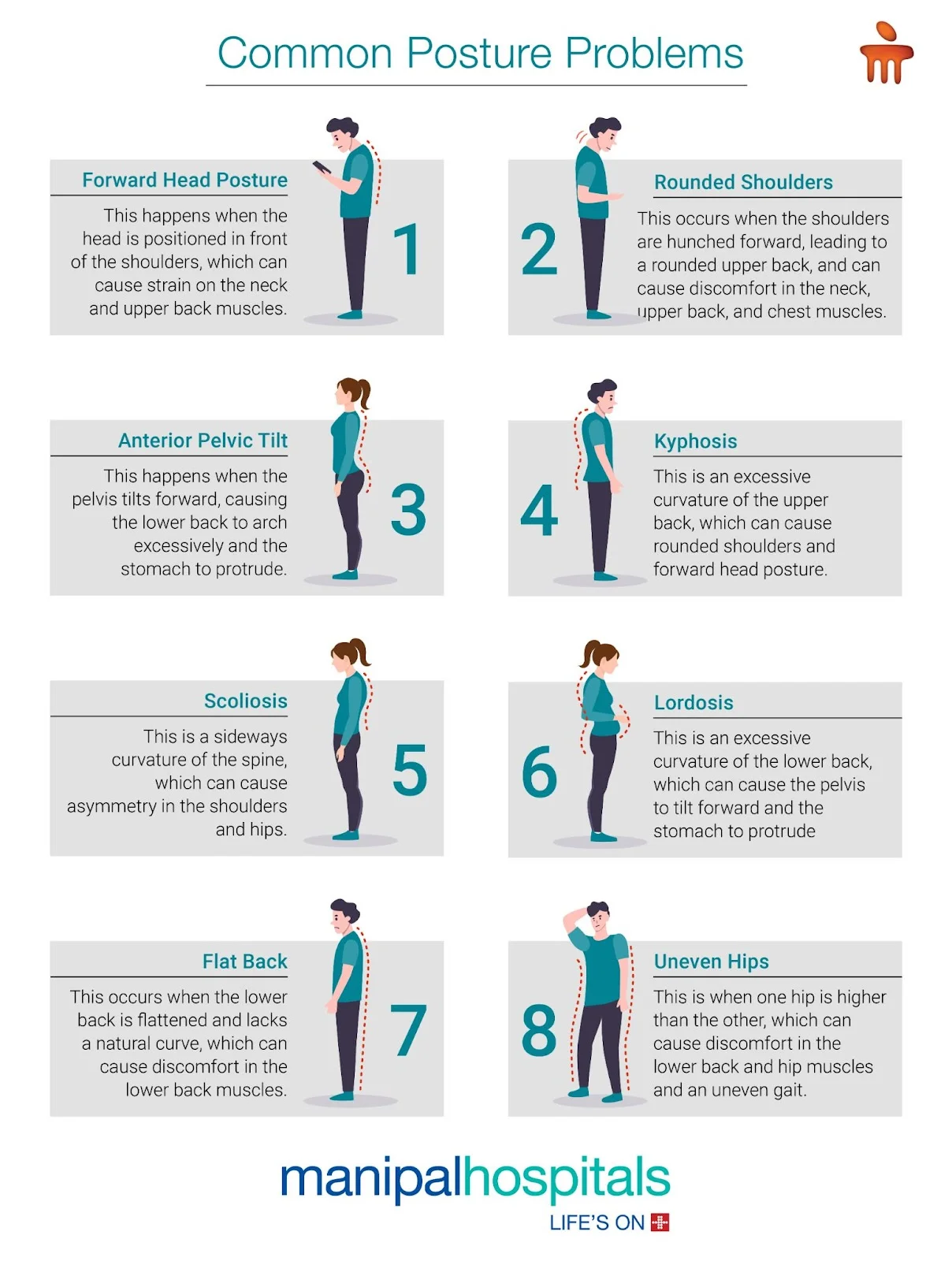
Pay attention to discomfort that feels different from typical muscle soreness, as it often signals the need for corrective adjustments. Addressing these signs early can prevent minor issues from developing into significant injuries.
Recovery Strategies for Posture-Induced Injuries
If you experience posture-related discomfort or injury, it is important to allow your body time to recover by reducing activities that exacerbate symptoms. Gentle stretching and maintaining neutral alignment during rest can support healing. Incorporating low-impact movements that encourage proper posture aids in transitioning back to full activity.
Avoid pushing through pain or forcing movements, as this can worsen your condition. Focus on gradual improvement and consider consulting a professional for evaluation if pain persists. Awareness and care in recovery help safeguard your long-term posture and workout health.