


















Introduction to Quick and Easy Stir-Fry Cooking
Many beginner cooks find stir-frying intimidating because it requires fast timing and multitasking. The problem is that without the right approach, stir-frying can result in overcooked vegetables, tough proteins, or bland flavors. This happens often because inexperienced cooks are unfamiliar with the quick heating process and ingredient preparation. Fortunately, mastering easy 20-minute stir-fry recipes is achievable by understanding the basics. With simple techniques and a clear plan, you can create delicious and nutritious meals swiftly that are perfect for busy weeknights or anyone wanting a fuss-free cooking experience.
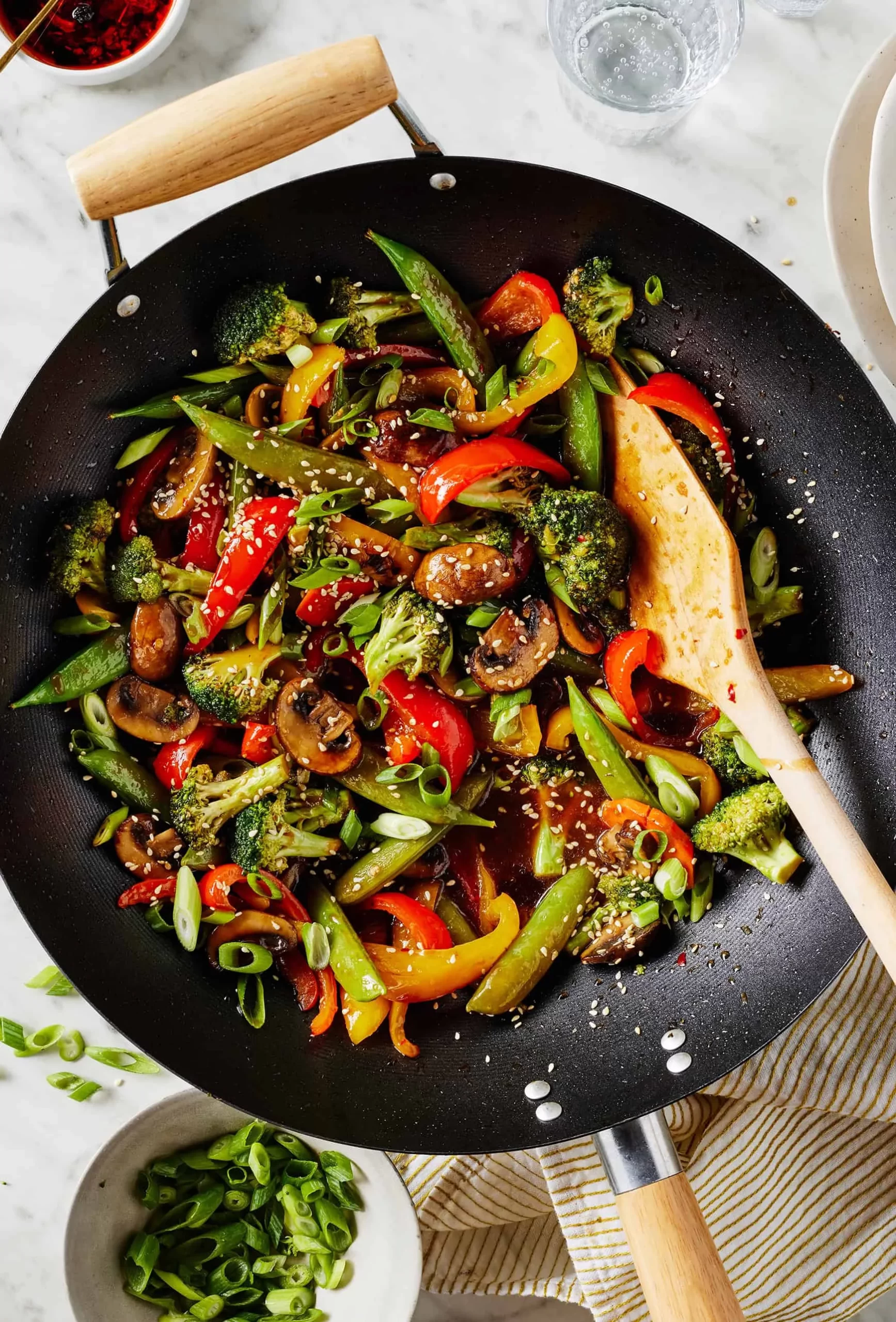
Essential Ingredients for Beginner-Friendly Stir-Fries
Common Vegetables and Proteins
One common challenge is selecting ingredients that cook evenly and complement each other in flavor. Beginners often struggle to choose vegetables and proteins that work well in a stir-fry format. The cause is a lack of familiarity with typical ingredients that hold up well to high heat and quick cooking times. For success, start with sturdy vegetables like broccoli, bell peppers, snow peas, and carrots, which remain crisp yet tender after stir-frying. Proteins such as chicken breast, firm tofu, shrimp, beef strips, or eggs are ideal because they cook quickly without losing texture. Using fresh vegetables and proteins helps preserve flavor and prevents sogginess.
Basic Sauces and Seasonings
Another obstacle is building flavorful sauces without complicated recipes or many ingredients. Many beginners use too much soy sauce or miss out on balancing sweet and savory notes, which can lead to bland or overpowering results. The solution is to keep sauces simple but well-rounded. A mix of soy sauce, garlic, ginger, and a touch of sweetness like honey or brown sugar creates a solid base. Adding a splash of rice vinegar or sesame oil can elevate the dish without adding complexity. Seasonings such as chili flakes or scallions are excellent for boosting flavor just before serving. These basic additions ensure your stir-fry tastes vibrant and fresh with minimal effort.
Step-by-Step Guide: Preparing Your 20-Minute Stir-Fry
Preparation Tips to Save Time
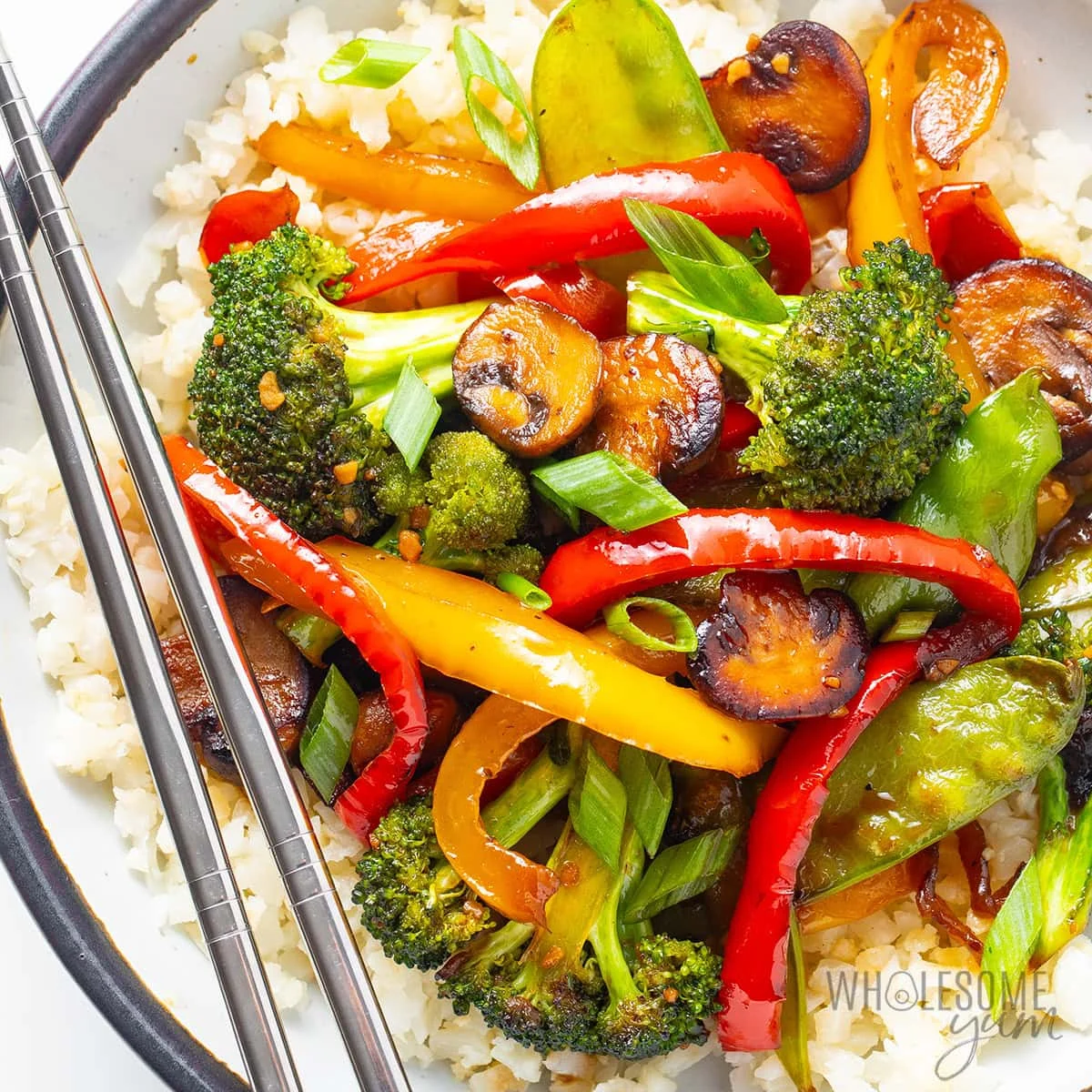
Many beginners underestimate the importance of preparation and lose time during cooking, leading to uneven results. The root cause is starting to cook before all ingredients are ready, which causes delays and burnt or underdone pieces. To solve this, gather all your ingredients and wash and chop vegetables before turning on the heat. Prepping proteins ahead of time makes the process smooth and efficient. Having everything ready ensures you can add ingredients swiftly and evenly, preserving texture and flavor. This approach reduces stress and helps you finish the meal within 20 minutes.
Cooking Techniques for Perfect Stir-Fries
Problems in cooking often come from insufficient heat or overcrowding the pan, resulting in steaming rather than stir-frying. If your pan isn’t hot enough, ingredients will release water and become soggy. Overcrowding reduces temperature and prevents proper browning. The best solution is heating olive oil in a large wok or fry pan over medium to high heat before adding ingredients like onions or tofu. Cook onions until tender, then cover the tofu to warm it through and soften. Add vegetables and cashews, toss well, cover, and cook for about five minutes to maintain crispness while softening slightly. Finally, add your stir-fry sauce and let it simmer briefly to meld flavors. This method yields balanced textures with vibrant taste in minimal time.
Top 5 Easy 20-Minute Stir-Fry Recipes
Chicken and Broccoli Stir-Fry
Many find chicken stir-fry intimidating due to concerns about undercooking or dryness. This usually happens when chicken pieces are too large or pan temperature is too low. To fix this, slice chicken breast thinly for quick cooking. Stir-fry with fresh broccoli and a simple sauce of soy, garlic, and ginger. The result is juicy chicken paired with crisp broccoli in a savory sauce, ready in under 20 minutes.
Vegetarian Tofu Stir-Fry
Beginners often find tofu tricky, fearing it will fall apart or taste bland. This is caused by using soft tofu or not cooking it correctly. Use firm tofu, cooking onions until tender first, then adding tofu and covering to heat through and soften. Add chopped vegetables like carrots and bell peppers along with cashews for crunch. Toss well and finish with a light stir-fry sauce. This creates a flavorful, hearty vegetarian dish that’s easy and quick.
Beef and Bell Pepper Stir-Fry
Cooking beef quickly without toughness is a common challenge for newcomers. Thinly sliced beef strips are key to quick, tender cooking. Stir-frying with colorful bell peppers and a simple marinade of soy and garlic finishes the dish in 20 minutes or less. This recipe balances the richness of beef with the sweetness of peppers for satisfying flavor.
Shrimp and Snow Peas Stir-Fry
Shrimp cooks very fast, and the problem is overcooking, which makes it rubbery. Use peeled, deveined shrimp, adding them last after vegetables like snow peas are partly cooked. Toss with a garlic-ginger sauce and cook just until shrimp turn pink. This ensures a fresh, tender stir-fry that feels light but flavorful and takes minimal time.
Simple Egg Fried Rice Stir-Fry
Fried rice can be overwhelming because it involves multiple ingredients and constant stirring. Beginners often get clumpy or soggy rice due to improper heat or moisture. Start with day-old rice to reduce moisture. Scramble eggs separately or push them to one side of the pan to avoid dryness. Add scallions and soy sauce to finish with a simple, tasty dish that complements any stir-fry.
Common Mistakes to Avoid When Stir-Frying
A frequent problem is using inadequate heat or an overcrowded pan, causing ingredients to steam rather than fry, losing texture and flavor. Another mistake is not prepping vegetables and proteins beforehand, leading to uneven cooking. Overcooking proteins or vegetables can also create dry or mushy results. To avoid these issues, heat the pan well before adding ingredients, cook in batches if needed, and always chop and prepare components ahead. Adding sauces at the end helps maintain crispness and freshness. Keeping these tips in mind reduces frustration and improves results dramatically.
Tips for Customizing Your Stir-Fry to Taste
Many beginners feel stuck following a rigid recipe and miss opportunities to tailor dishes to personal preferences. The cause is uncertainty about ingredient substitutions or flavor adjustments. The solution is to start with your favorite vegetables and proteins, then adjust seasonings like adding chili flakes for heat or scallions for brightness. Experimenting with different sauces, such as hoisin, teriyaki, or oyster sauce, can refresh familiar meals. Garnishing with nuts or fresh herbs adds texture and aroma. Personalizing stir-fries this way keeps cooking fun and adapts meals to your favorite tastes easily.