














Introduction to DIY Irrigation in Backyard Gardens
Why Water Conservation Matters
Water is one of the most precious resources we rely on daily, and backyard gardens are no exception. In many regions, especially those prone to drought or with limited water supplies, conserving water is essential. Overwatering not only wastes this valuable resource but can also harm plants by promoting root diseases and nutrient runoff. Learning how to water efficiently helps gardens thrive while keeping water bills in check and reducing environmental impact.
Benefits of Creative Irrigation Solutions
Creative irrigation solutions are becoming popular because they offer more than just water savings. They empower gardeners to tailor watering schedules and methods to their specific plants and garden layouts. By experimenting with recycled materials and gravity-fed systems, gardeners can reduce reliance on electricity and pumps. These approaches often simplify maintenance and provide consistent moisture to plants, enhancing growth and health in the long run.
Innovative DIY Irrigation Techniques
Drip Irrigation Using Recycled Materials
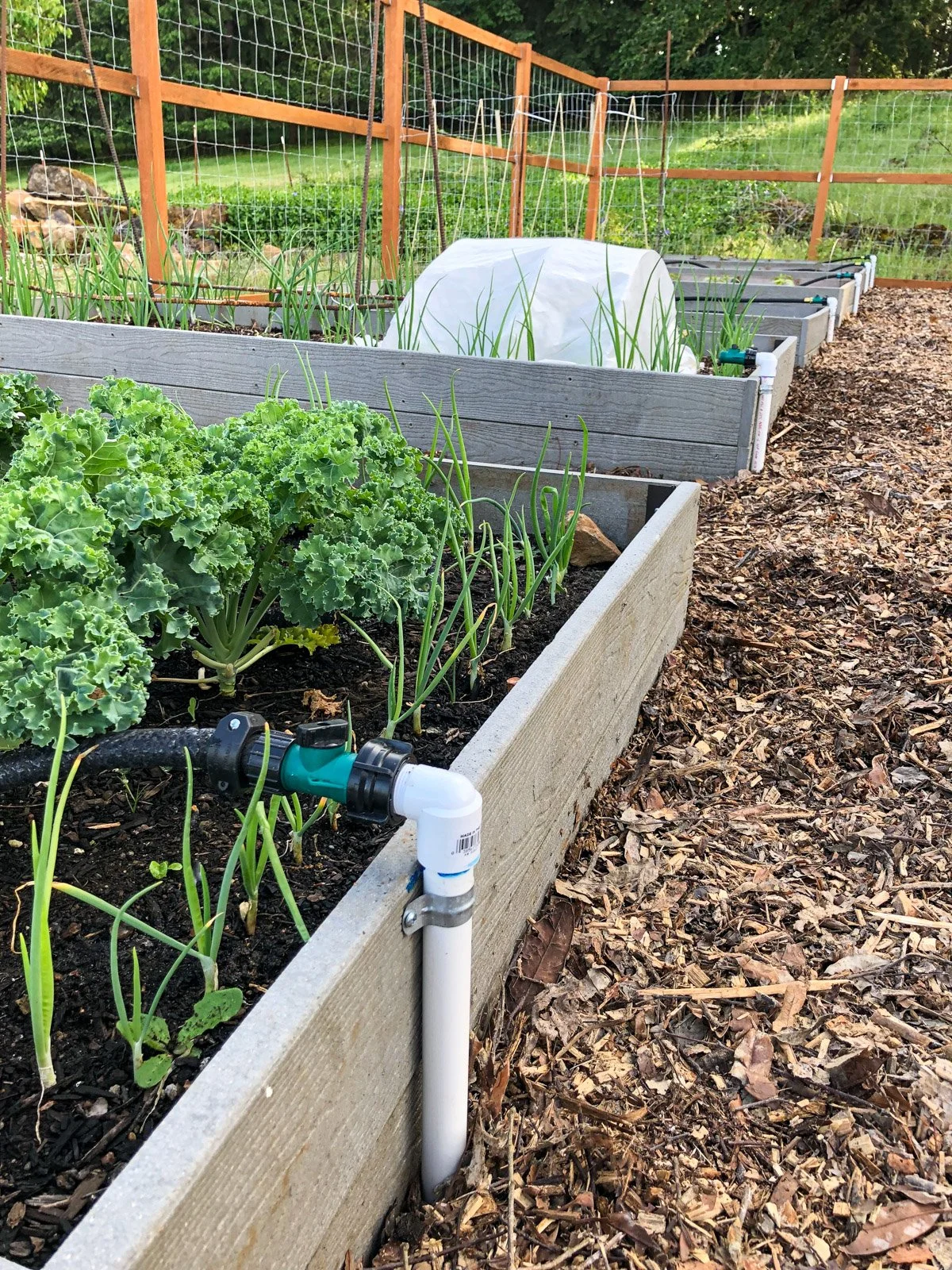
One of the most resourceful ways to irrigate a garden is by repurposing materials you already have. For example, using an old garden hose or plastic tubing, you can create a homemade drip irrigation system. By drilling tiny holes with a ¼ inch-wide drill bit along the hose, water can gently trickle directly to plant roots. It’s important to turn the water on low, allowing just a slow drip—this minimizes wastage while ensuring effective watering.
Running this drip hose for about 30 minutes every couple of days often factors in natural rainfall, cutting unnecessary watering sessions. This system is simple yet highly effective and can be enhanced by adding a timer to automate watering and avoid over-saturating your garden beds. Using such recycled solutions keeps costs low and promotes sustainable gardening practices.
Gravity-Fed Watering Systems
Gravity-fed watering is another clever DIY approach that reduces the need for pumps and electricity. By filling a bucket or container with water and elevating it above your garden beds, you can let gravity distribute water through tubing and drip emitters. Sealing the tubing connection to the bucket with silicone caulk ensures it stays watertight and prevents leaks.
This method is especially useful in small gardens or where power sources are inconvenient. Adjusting the bucket’s height can help control the flow rate, and it’s an excellent way to utilize collected rainwater. The system gently provides moisture, helping maintain soil health and plant vigor without wasting water through evaporation or runoff.
Soaker Hose Customization and Layout Tips
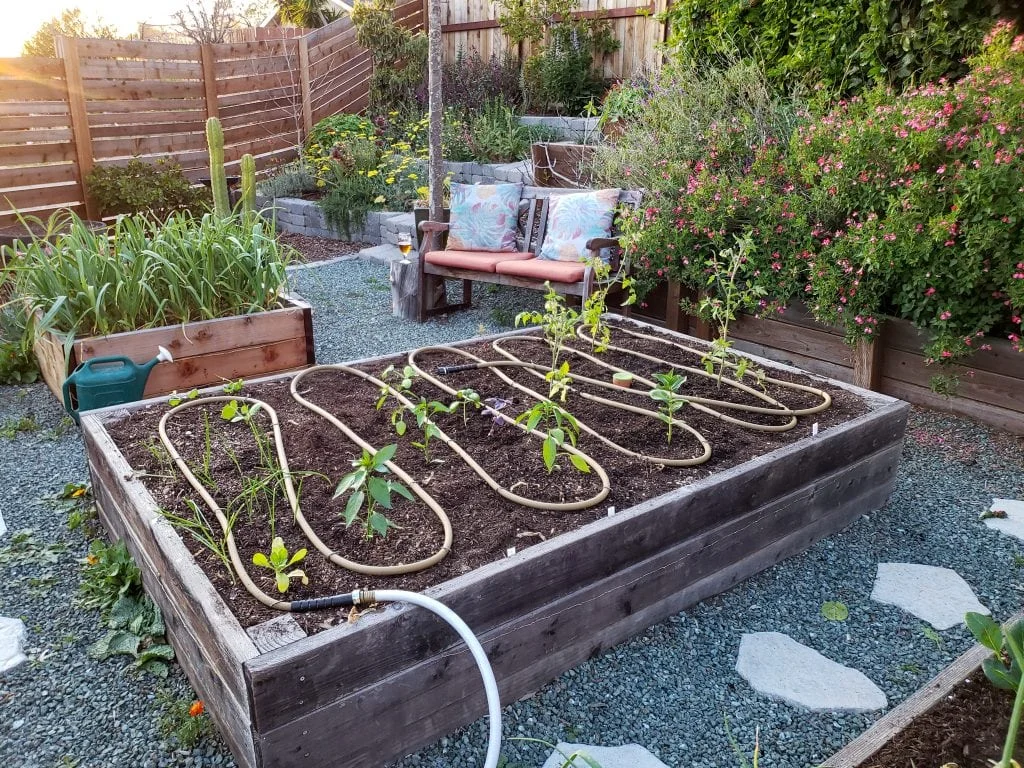
Soaker hoses are versatile tools for garden irrigation, and customizing their layout can maximize efficiency. Flat soaker hoses lay easily along garden rows, delivering slow, even watering. Rubber soaker hoses are handy for smaller beds or wrapping around tree bases because they can be cut to size. Strategically placing these hoses close to plant roots encourages deep watering, which plants prefer over frequent shallow watering.
Planning the hose layout to match your garden’s shape and plant spacing ensures every root zone gets adequate moisture. Remember to avoid running hoses through pathways or areas where foot traffic might damage them. Proper placement not only conserves water but also supports healthier root systems and lush growth.
Smart Water Collection Methods
Rainwater Harvesting for Garden Use
Rainwater harvesting is a sustainable practice that aligns perfectly with DIY irrigation projects. Collecting rainwater reduces dependence on municipal water supplies and can be as simple as positioning rain barrels beneath downspouts. This natural water source is often softer and free of chemicals, making it ideal for plants.
Designing your garden irrigation around harvested water means planning for storage and delivery. For instance, you can connect gravity-fed systems directly to rain barrels or incorporate soaker hoses fed by your collected supply. This approach is not only cost-effective but also eco-friendly, especially during dry seasons when every drop counts.
Creating a DIY Water Storage System
If you want to store larger quantities of water, creating a DIY water storage system can help maintain a steady irrigation supply. Repurposed containers such as large barrels or tanks work well for this purpose. When elevated, these containers can feed drip or soaker hoses by gravity, requiring no additional energy input.
Be sure to seal all tubing connections with silicone caulk to prevent leaks and place the storage container on a stable, raised platform to maximize water pressure. Adding a secure lid not only keeps debris and insects out but also reduces evaporation. This kind of system is flexible and can be scaled up or down based on garden size and water needs.
Implementing Automation on a Budget
DIY Timer Solutions for Efficient Watering
Timers are a gardener’s best friend for automating irrigation without breaking the bank. Basic, affordable timers that attach to garden hoses or irrigation lines help regulate watering duration and frequency precisely. This prevents overwatering and frees you from manual watering chores.
By pairing a timer with a drip or soaker system, you can automate slow, deep watering sessions tailored to your plants’ needs. Some timers come with battery power and easy programming, making them accessible for any skill level. Such simple automation can lead to significant water savings and healthier plants.
Simple Sensor-Based Irrigation Control
Sensors that measure soil moisture offer another level of smart irrigation. Affordable sensors can be placed in the soil to detect moisture levels and trigger watering only when needed. While these systems might require a bit more setup, they prevent waste by ensuring plants receive water only when conditions are dry.
For DIY enthusiasts, basic sensor kits are often compatible with existing timers and irrigation equipment. This combination creates an efficient, responsive system that adapts to weather changes and plant hydration needs, making it a worthy investment for water-conscious gardeners.
Plant-Specific Watering Strategies
Grouping Plants by Water Needs
Not all plants require the same amount of water. Grouping plants according to their water needs is a smart strategy that allows targeted irrigation and avoids wastage. Place water-loving species together where irrigation is more frequent, while drought-tolerant plants can be positioned in areas receiving less water.
This practice not only conserves water but also helps maintain plant health by mimicking their natural growing conditions. Observing your garden over time to adjust groupings and watering schedules is part of becoming an intuitive, successful gardener.
Mulching and Its Role in Water Retention
Mulching is a simple yet powerful method to maintain soil moisture. A layer of organic mulch like wood chips, straw, or leaves reduces evaporation, keeps soil temperature steady, and suppresses weeds that compete for water. Applying mulch around your plants ensures the water you provide penetrates deeper and lasts longer.
Incorporating mulching into your irrigation plan means you can water less frequently without stressing your plants. It’s a natural complement to any DIY watering system and enhances overall garden health.
Maintenance Tips for Long-Term System Efficiency
Seasonal Checks and Repairs
Maintaining your irrigation system is key to its longevity and efficiency. Seasonal checks can catch leaks, blocked emitters, or worn tubing before they cause bigger problems. After winter or dry periods, inspect the entire setup, paying close attention to connections and any exposed parts.
Make necessary repairs promptly; replacing damaged sections of hose or resealing joints will save water and keep your plants happy. Regular maintenance also reduces the risk of system failure during critical growing periods.
Cleaning and Preventing Clogs
Clogs are a common issue in drip and soaker systems, often caused by sediment or algae buildup. Flushing your hoses and tubing periodically and cleaning filters can prevent these blockages. If you use rainwater, consider installing a basic filter to keep debris out of your irrigation lines.
Keeping your irrigation components clean ensures steady water flow and consistent delivery to your plants. It’s a small effort with a big payoff in system performance and water conservation.
Case Studies: Successful Backyard Garden Irrigation Projects
Small Spaces, Big Impact
Many urban gardeners have transformed tiny backyards into flourishing green spaces using simple DIY irrigation setups. One homeowner used recycled bottles with carefully punctured caps as slow-drip watering devices for potted plants. By taping stakes to the bottles and positioning them just beneath the soil surface, they were able to maintain moisture for up to a week. This low-tech solution is perfect for those who travel or have busy schedules.
Urban Garden Water Savers
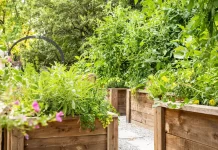
In a densely packed urban environment, another gardener installed a gravity-fed system using a raised water barrel connected to soaker hoses laid across raised beds. They combined this with rainwater harvesting to completely eliminate their reliance on municipal water for irrigation. Automated timers kept watering both efficient and hassle-free. This combination allowed for lush vegetable growth throughout the summer despite tight city water restrictions, showcasing how thoughtful DIY irrigation can make a real difference.