





















Understanding Hair Frizz: Causes and Myths
What Triggers Frizz in Different Hair Types?
Imagine waking up one morning with coiled or curly hair that looks like a wild nest instead of your usual smooth style. For many, this frizz is a daily battle. The root causes of frizz vary depending on hair type. For coily and curly hair, frizz often happens because the natural oils produced by the scalp have a harder time traveling down the twists and turns of the hair shaft, leaving strands dry and more susceptible to humidity. In contrast, straight hair may frizz due to damage or rough handling rather than a lack of natural oils. Seasonal changes also play a big role; rainy or humid weather can cause hair cuticles to swell and lift, leading to that feared frizzy halo.
Common Misconceptions About Frizz Control
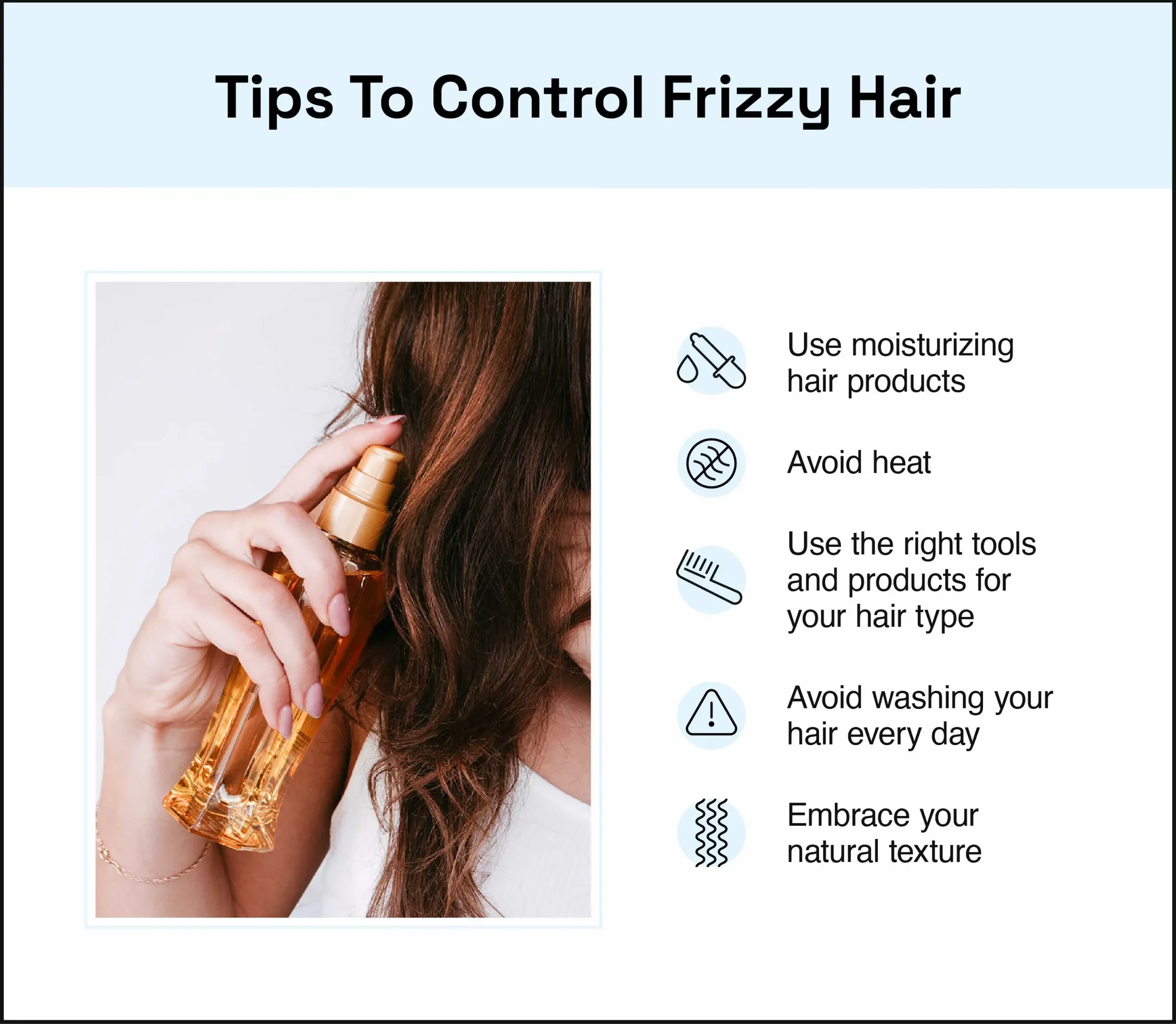
Many people believe that using more product automatically means less frizz. However, this can backfire. For example, applying an anti-frizz serum directly to the roots, especially if your hair tends to be oily, can weigh hair down and create a greasy look rather than a smooth finish. Another myth is that air-drying your hair without any product is better for preventing frizz. In reality, certain serums require activation by heat tools to lock in moisture and smooth the cuticle effectively. These misunderstandings can lead to ineffective hair routines that worsen frizz instead of taming it.
Natural and Affordable Techniques to Combat Frizz
DIY Hair Masks Using Household Ingredients
One summer evening, Lisa found herself staring at her frizzy reflection after a day at the beach. Instead of buying an expensive product, she mixed mashed avocado with a spoonful of honey and coconut oil for a natural mask. This combination, rich in nourishing fats and humectants, helped restore moisture to her dry strands. After leaving it on for 30 minutes and rinsing thoroughly, she noticed her hair felt softer and looked visibly less frizzy the next day. Household ingredients like yogurt, egg yolks, and bananas can similarly hydrate hair, making DIY masks a practical and budget-friendly approach.
How to Properly Use Oils for Smoother Hair
Oils can be a double-edged sword if applied incorrectly. Mark, who has oily scalp yet dry ends, learned this the hard way when he slathered anti-frizz serum on his roots and ended up with greasy-looking hair. The key is to identify the right spots. Applying oils or serums like Kérastase’s anti-frizz serum beginning mid-shaft and focusing on the ends can smooth strands without weighing hair down. When used before heat styling, these oils help seal the cuticle. For humid days, a light spritz of Amika spray as a finishing touch provides an extra layer of protection without the heaviness of heavier serums.
The Role of Water Temperature in Reducing Frizz
A simple change in your shower routine can make a huge difference. Hot water opens the hair cuticle, causing moisture to escape and leaving strands vulnerable to humidity. Sarah switched to lukewarm water and finished her wash with a cool rinse. The result? Smoother hair with less tendency to frizz by locking the cuticle down. This small adjustment creates a naturally sleek foundation, making it easier to maintain frizz-free hair throughout the day.
Everyday Habits That Promote Frizz-Free Hair
Best Practices for Shampooing and Conditioning
John used to shampoo daily, which left his hair dry and frizz-prone. After consulting with a haircare expert, he started washing his hair every other day with a mild shampoo and a moisturizing conditioner. Applying conditioner mostly from mid-length to ends helped preserve natural oils near the scalp, preventing grease buildup and frizz alike. Leaving conditioner on for a few extra minutes before rinsing ensures hair absorbs as much hydration as possible without requiring expensive treatments.
Choosing the Right Towel and Drying Method
After a humid workout session, Mia noticed that using a regular bath towel roughened up her curls, making frizz worse. Switching to a microfiber towel or an old cotton t-shirt dramatically reduced friction on her strands. Rather than rubbing vigorously, she gently squeezed out excess water and let her hair air-dry or used a diffuser on low heat. This practice minimized hair cuticle damage and helped maintain smoothness without relying on high-end tools.
Hair Brushing Tips to Prevent Frizz
One morning, Alex grabbed his regular brush and combed through his tangled hair aggressively. By the afternoon, it was uncontrollably frizzy. Soon, he learned that brushing hair dry creates static and lifts cuticles, making frizz worse. Instead, brushing gently while hair is damp, or using a wide-tooth comb, can detangle without damage. For curly hair, finger-combing or using a detangling brush designed for curls helps maintain pattern integrity and reduces frizz formation.
Styling Tips Without Breaking the Bank
Heatless Styling Methods That Maintain Smoothness
Claire wanted sleek hair without spending on expensive flat irons. She discovered that wrapping damp hair around her head and securing it with pins overnight gave her smooth waves by morning. Techniques like braiding hair into loose plaits before sleep or using silk scarves to tie hair can enhance shine and reduce frizz. These heatless styling methods protect hair from damage and are effective, affordable solutions for keeping hair frizz-free.
Protective Hairstyles to Maintain Hair Health

Working long hours outdoors, David noticed his hair became dry and frizzy by evening. Adopting protective hairstyles such as buns or braids reduced exposure to environmental stressors like wind and sun. These styles also help retain moisture by minimizing manipulation throughout the day. Protective hairstyles can be simple yet elegant ways to keep frizz at bay while supporting overall hair health.
Long-Term Strategies for Frizz Management
Diet and Hydration’s Impact on Hair Texture
Jenny’s frizz troubles were persistent, despite changing products. A nutritionist pointed out that her diet lacked omega-3 fatty acids and sufficient water intake. After incorporating foods like salmon, walnuts, and spinach into her daily meals and increasing her water consumption, she noticed an improvement in hair texture over several weeks. Well-hydrated and nourished hair is naturally more elastic and less prone to frizz, highlighting the vital connection between diet and hair health.
Regular Haircuts and Trims: Why They Matter
Thomas delayed trimming his hair for months to grow it out but ended up with split ends that worsened his frizz. Getting a haircut every six to eight weeks helps remove damaged ends that can travel up the hair shaft and cause frizz. Regular trims maintain hair shape and promote healthier growth. Scheduling timely haircuts is a simple, cost-effective way to manage frizz in the long run.