




















Understanding the Importance of Soil Health in Raised Vegetable Beds
How Soil Quality Affects Vegetable Growth
The foundation of any thriving vegetable garden lies in the quality of its soil. In raised vegetable beds, soil acts as the essential medium that supplies nutrients, water, and air to plant roots. Healthy soil teems with beneficial microorganisms, organic matter, and nutrients that foster robust root development and ultimately result in vigorous vegetable growth. When soil quality is poor, plants can struggle to absorb nutrients, leading to stunted growth, reduced yields, and vulnerability to pests and diseases. Therefore, maintaining optimal soil health is critical to achieving bountiful harvests in raised beds.
Common Soil Problems in Raised Beds
Despite the controlled environment of raised beds, gardeners often face typical soil challenges. Compaction is common, where soil particles become densely packed, hindering water infiltration and root penetration. Nutrient depletion can also occur over time as plants consume vital elements without replenishment. Additionally, overly sandy or heavy clay soils might reduce soil fertility and drainage efficiency. Finally, insufficient microbial activity can limit nutrient cycling in the soil. These issues highlight why regular soil improvement, particularly through organic fertilizers, is essential to maintain a productive raised bed garden.
Overview of Organic Fertilizers: Types and Benefits
Animal-Based Organic Fertilizers
Animal-based organic fertilizers derive from animal by-products such as manure, bone meal, and blood meal. These sources provide essential nutrients like nitrogen, phosphorus, and calcium in forms that gradually release into the soil. Manure enriches the soil with organic matter and beneficial microbes, improving texture and fertility. Bone meal is particularly rich in phosphorus, vital for root development and flowering, while blood meal offers a quick nitrogen boost to support leafy growth. Using animal-based fertilizers helps enhance soil health by promoting microbial diversity and nutrient availability.
Plant-Based Organic Fertilizers
Plant-based fertilizers are derived from plant materials such as composted leaves, green manures, seaweed, and kelp extracts. These fertilizers often provide a broad spectrum of nutrients, including trace elements that are crucial for plant health but missing from synthetic fertilizers. Green manures, grown specifically to be turned back into the soil, improve soil structure and add nitrogen naturally as they decompose. Seaweed and kelp extracts are valued for their ability to stimulate plant growth and increase resistance to environmental stress through their rich mineral content and natural growth hormones.
Mineral and Microbial Amendments
In addition to organic matter, mineral amendments such as rock phosphate, greensand, and gypsum can improve soil fertility by supplementing essential minerals. Microbial inoculants introduce beneficial bacteria and fungi that enhance nutrient cycling and protect plants from pathogens. These amendments work synergistically with organic fertilizers to maintain a balanced and resilient soil ecosystem. Integrating these elements into raised bed soil helps create a more fertile and biologically active environment, supporting plant health and productivity.
Top Organic Fertilizers for Enhancing Raised Bed Soil
Compost: The Foundation of Soil Fertility
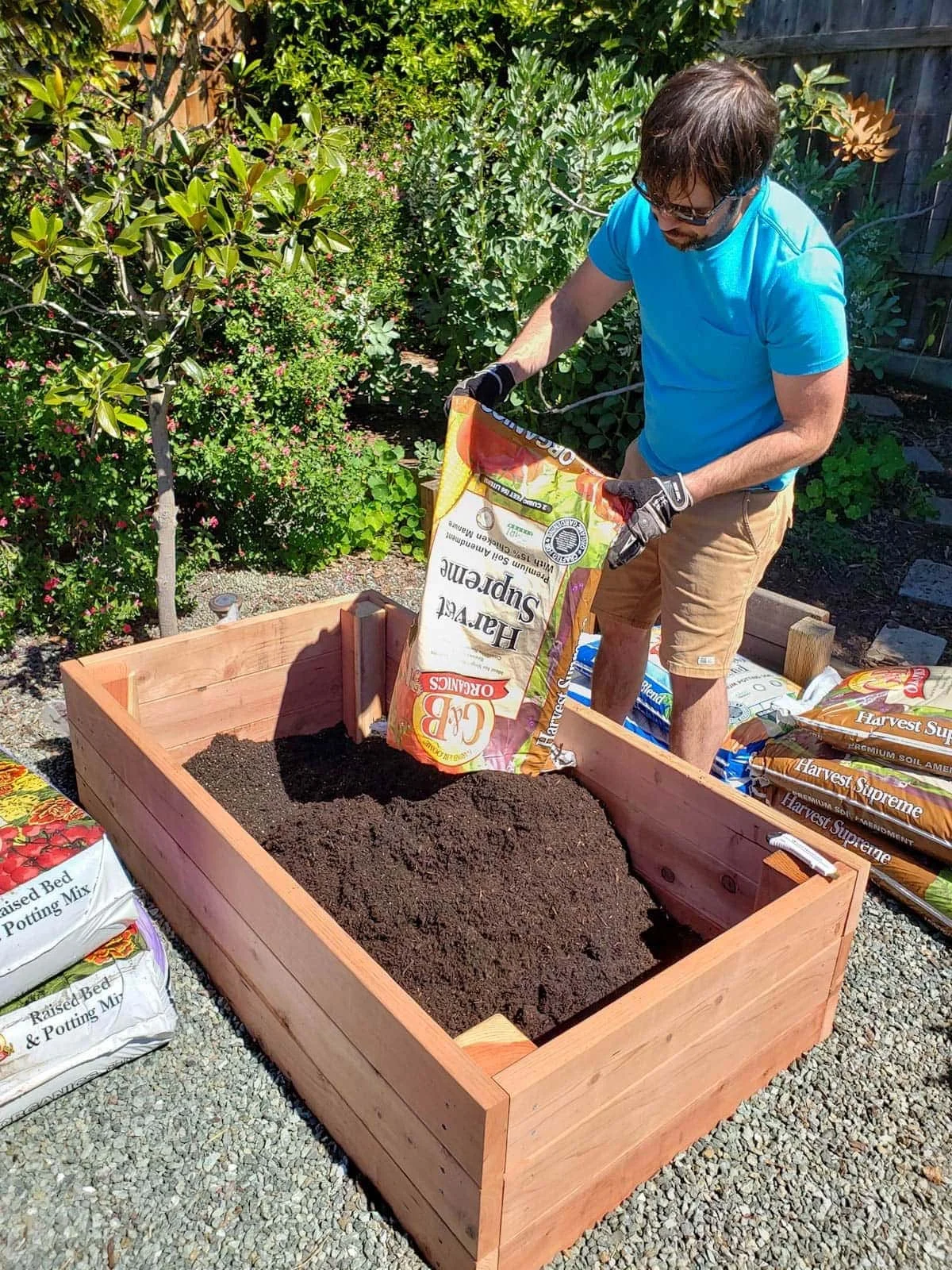
Compost is the cornerstone of organic soil amendment and is indispensable for raised beds. It enriches soil with humus, improves texture, and provides a slow-release source of nutrients. Applying compost builds the soil’s organic matter content, which enhances water retention and drainage simultaneously. Moreover, compost encourages beneficial microbial populations that aid nutrient mineralization. Regular addition of high-quality compost ensures that the raised bed soil remains fertile and well-structured throughout the growing season.
Worm Castings: Boosting Microbial Activity
Worm castings are considered a superfood for soil health due to their high nutrient density and rich microbial content. These natural fertilizers not only supply nitrogen, phosphorus, and potassium but also introduce a broad spectrum of beneficial microbes that facilitate nutrient availability and disease suppression. Incorporating worm castings into raised bed soil can improve root growth and enhance overall plant vigor by optimizing the soil’s biological activity.
Bone Meal and Blood Meal: Natural Nutrient Sources
Bone meal and blood meal serve as concentrated, slow-release sources of phosphorus and nitrogen, respectively. Bone meal is ideal for promoting strong root systems and flowering, while blood meal is useful during the early growing stages to encourage leafy development. Because these inputs release nutrients gradually, they provide a steady supply without risking nutrient burnout or leaching. When used thoughtfully, they complement compost and other organic amendments to balance the nutrient profile in raised beds.
Seaweed and Kelp Extracts for Trace Minerals
Seaweed and kelp extracts are valuable additions for supplying trace minerals and natural growth hormones, such as cytokinins and auxins. These extracts improve plant resilience against stresses like drought and pests, while also stimulating cell division and root expansion. As foliar sprays or soil drenches, they support overall plant health and improve nutrient uptake efficiency. Their role extends beyond fertilization, enhancing the physiological function of vegetable crops in raised beds.
Green Manures and Cover Crops for Soil Structure
Green manures and cover crops, such as clover or ryegrass, serve multiple purposes in raised bed gardening. When grown and incorporated into the soil, they add organic matter, fix atmospheric nitrogen, and improve the soil’s physical structure. These crops reduce erosion, suppress weeds, and increase soil porosity. Integrating green manures into crop rotations in raised beds maintains long-term soil fertility and biological activity, making them an essential tool for sustainable gardening.
Application Techniques for Maximum Effectiveness
Incorporating Fertilizers into New Raised Beds
When establishing new raised beds, thorough incorporation of organic fertilizers is vital. Begin by layering compost and well-aged manure into the base soil, mixing them evenly to improve nutrient content and soil texture. Adding bone meal or blood meal at this stage ensures a balanced nutrient reserve for young plants. For mineral amendments or microbial inoculants, evenly blend them into the soil to promote immediate microbial activity and nutrient availability. This comprehensive preparation sets the stage for healthy vegetable growth from the start.
Top-Dressing for Established Beds
For raised beds already in use, top-dressing with organic fertilizers is an effective way to refresh soil fertility without disturbing established roots. Apply a thin layer of compost or worm castings on the soil surface to gradually nourish plants. Liquid feeds like seaweed extract can be sprayed directly onto foliage or soil for rapid nutrient uptake. This approach helps maintain nutrient levels and stimulate microbial activity throughout the growing season, ensuring consistent plant health and productivity.
Timing Fertilizer Application During Growing Seasons
Proper timing of fertilizer applications maximizes nutrient uptake and minimizes waste. Early-season feeding with nitrogen-rich inputs like blood meal supports leafy growth, especially for leafy vegetables. Mid-season applications of balanced fertilizers reinforce plant vigor and fruit development. At the end of the growing cycle, incorporating green manures prepares the soil for the next planting by enhancing organic matter content. Avoid heavy fertilization during peak heat to prevent nutrient stress, keeping the timing aligned with specific crop needs.
Sustainable Practices to Maintain Soil Health Long-Term
Crop Rotation Strategies
Implementing crop rotation in raised beds plays a crucial role in maintaining soil health. Rotating crops with different nutrient demands prevents depletion of specific elements and reduces the buildup of pests and diseases. For example, follow nitrogen-hungry leafy crops with legumes that fix atmospheric nitrogen, naturally replenishing the soil. This practice balances nutrient cycling and encourages a resilient soil ecosystem essential for sustainable vegetable production.
Mulching and Moisture Retention
Mulching is a sustainable practice that helps maintain soil moisture, regulate temperature, and suppress weeds in raised beds. Organic mulches like straw, shredded leaves, or grass clippings gradually decompose, adding organic matter to the soil. Retaining consistent moisture levels supports microbial life and nutrient availability, reducing the need for frequent irrigation. Mulching also minimizes soil erosion and compaction, contributing to a healthier planting environment over time.
Case Studies: Successful Use of Organic Fertilizers in Raised Vegetable Beds
Small-Scale Urban Gardens
In urban gardening, where space is limited, organic fertilizers have proven invaluable for optimizing limited soil volume in raised beds. For instance, an urban gardener applied Mel’s Mix, a blend of compost, peat moss, and vermiculite, combined with regular additions of worm castings and liquid kelp extracts. This approach resulted in lush, productive vegetable growth even in small containers and raised beds. The concentrated nutrient input and improved soil structure enabled consistent yields of various vegetables throughout the season.
Community Gardening Initiatives
Community gardens benefit enormously from the use of organic fertilizers to maintain soil health across multiple growing areas. Many initiatives utilize bulk compost, green manures, and animal-based amendments like bone meal to enrich soil collectively. These gardens often focus on crop rotation and mulching to sustain soil vitality. Success stories include increased vegetable yields, enhanced soil biodiversity, and improved community engagement in sustainable gardening practices. These examples underscore the power of organic fertilizers in fostering productive, long-lasting raised bed gardens.