




















Understanding Energy-Efficient Lighting
What Makes Lighting Energy-Efficient?
Energy-efficient lighting primarily refers to light sources that use less electricity to produce the same amount of illumination as traditional bulbs. These fixtures consume less power by employing advanced technology, such as light-emitting diodes (LEDs), which convert a higher percentage of energy into light instead of heat. Additionally, energy-efficient bulbs often last much longer, reducing the need for frequent replacements and lowering overall energy consumption over time.
Benefits of Energy-Efficient Lighting for Your Home
Switching to energy-efficient lighting can significantly reduce your electricity bills. On average, households can save about $225 annually. Beyond cost savings, these fixtures contribute to environmental protection by reducing energy demand and lowering carbon emissions. Furthermore, energy-efficient bulbs generate less heat, creating a cooler indoor environment that can also reduce cooling costs. Their durability and options such as dimmable settings, daylight sensors, and motion detectors enhance convenience and adaptability across different home spaces.
Planning Your Lighting Upgrade
Assessing Your Current Lighting Setup
Start by evaluating all existing light fixtures and bulbs in your home. Identify areas with incandescent or halogen bulbs that consume more energy and note which rooms require brighter or softer lighting. Consider which fixtures are used the most and places where lighting needs frequent replacement. This assessment helps prioritize replacements to maximize savings and functionality.
Watch the Tutorial
Choosing the Right Energy-Efficient Fixtures
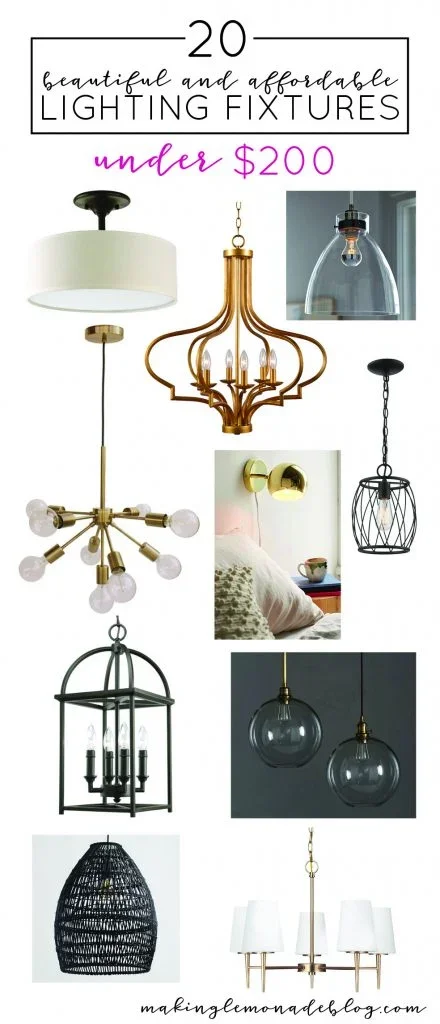
Energy-efficient lighting options are diverse, so selecting the right fixtures depends on your needs. LEDs are the most popular choice due to their efficiency and versatility. Look for bulbs labeled ENERGY STAR-certified to ensure quality and performance. Decide if you want features like dimmability, color temperature adjustments, or sensors that activate lights only when needed, further optimizing energy use in your home.
Budgeting for Cost-Effective Purchases
The initial cost of switching to energy-efficient lighting can vary. While LED bulbs are generally more expensive than traditional bulbs upfront, prices have dropped significantly and continue to fall. Plan your budget to replace high-use areas first for quicker returns on investment. Keep an eye out for sales or bulk purchase discounts to stretch your funds without compromising on quality.
Step-by-Step Installation Guide
Gathering Necessary Tools and Materials
Before starting the installation, gather basic tools such as a screwdriver, voltage tester, ladder, and gloves. Ensure you have the new energy-efficient bulbs or fixtures ready, along with any mounting hardware that comes with them. Preparing everything in advance reduces installation time and potential disruptions.
Safety Precautions Before You Begin
Safety is crucial when handling electrical fixtures. Turn off power at the circuit breaker to avoid shocks. Use a voltage tester to confirm the circuit is dead before touching wires or fixtures. If you are unsure about handling electrical work, consider consulting a licensed electrician to avoid hazards.
Removing Old Fixtures Properly
Carefully detach the existing fixtures by loosening screws and disconnecting wiring. Keep track of how the wires are connected for smooth reinstallation. Dispose of old bulbs and fixtures responsibly, especially if they contain hazardous materials like mercury in some types of bulbs.
Installing New Energy-Efficient Fixtures
Follow manufacturer instructions to connect the new fixture wires correctly, usually matching wire colors. Secure the fixture to the ceiling or wall mount, ensuring it is stable. After installation, restore power and test the new lighting. Adjust settings if your fixtures have features such as dimming or sensors.
Maximizing Savings and Performance
Using Smart Controls and Timers
Incorporating smart lighting controls enhances energy savings. Timers automatically turn off lights during the day or when rooms are unoccupied. Motion sensors reduce unnecessary usage in areas like hallways or outdoor spaces. These controls complement energy-efficient bulbs by ensuring lights are only on when needed.
Maintaining Your Fixtures for Longevity
Regular cleaning helps maintain brightness and efficiency. Dust buildup can reduce light output and force bulbs to run harder. Inspect fixtures periodically for damage or loose connections to prevent electrical issues. Timely replacement of any malfunctioning components ensures your lighting system continues saving energy effectively.
Common Mistakes to Avoid During Installation
One major error is continuing to use inefficient incandescent bulbs despite upgrading fixtures. Also, pairing energy-efficient bulbs with incompatible dimmers or sensors can cause flickering or damage. Neglecting to use ENERGY STAR-certified products often results in lower performance and shorter lifespan. For outdoor lighting, avoid using non-energy-efficient bulbs or bypassing automatic control features, which diminishes potential savings.
Additional Tips to Save Even More on Energy Bills
Combine energy-efficient lighting with natural light by using window treatments that maximize daylight. Replace bulbs in frequently used fixtures first for quick savings. Consider grouping lights on separate circuits to control different areas independently. Lastly, monitor your energy usage regularly to identify further opportunities for reduction and keep your home lighting both cost-effective and environmentally friendly.