

















Understanding the Basics of Light Packing
Why Packing Light Makes Weekend Trips More Enjoyable
When you’re heading out for a quick 2-day weekend trip, packing light can transform the entire experience. Imagine hopping off a bus or train, effortlessly carrying your bag without breaking a sweat. This freedom allows you to move faster, enjoy spontaneous plans, and avoid the drag of heavy luggage. I remember one weekend when I carried a bulky suitcase and ended up leaving it at the hostel because hauling it through cobblestone streets was exhausting. Since that day, I’ve embraced minimalist packing, which made my trips far more fun and flexible.
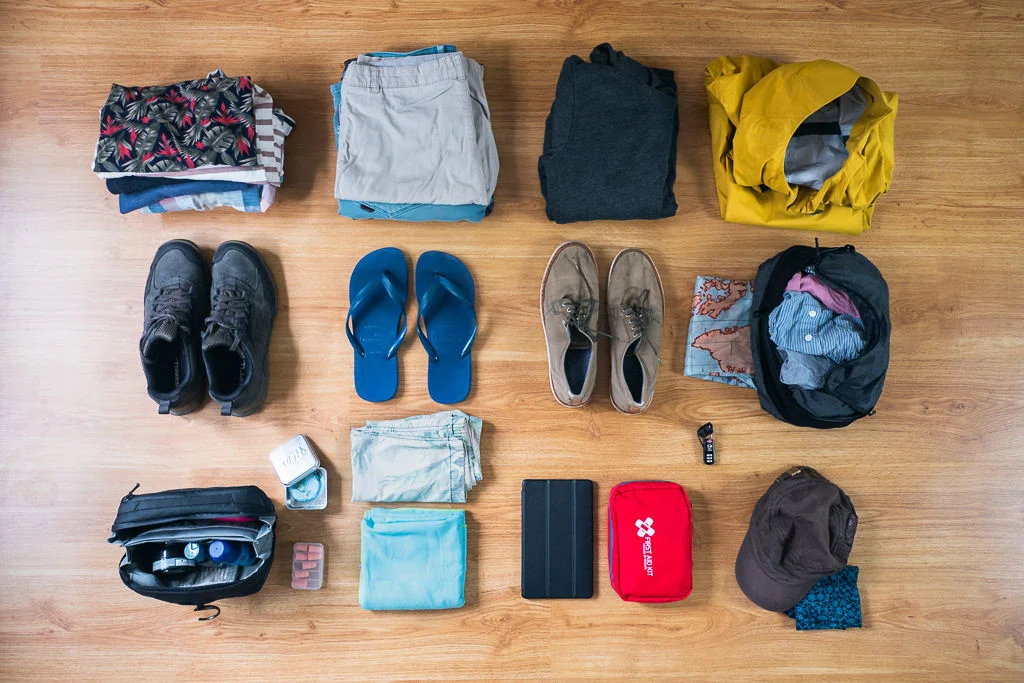
Packing light also means you can focus more on the adventure rather than the logistics. No need to wait at baggage claim or worry about your bag being lost. It’s a skill that makes even short trips feel like a breeze.
Common Mistakes to Avoid When Packing for 2 Days
Despite the best intentions, travelers often stumble over easily avoidable errors. Forgetting critical travel documents like your ID, passport, or tickets can turn a smooth trip into a stressful scramble. One friend of mine once missed a tour because her vouchers were left on the kitchen counter. That’s a mistake you don’t want to make.
Another common pitfall is neglecting to pack chargers or extra portable chargers. On a recent weekend getaway, my phone died halfway through the day, and without a backup power source, I lost access to maps and contacts, which was inconvenient. Overpacking or choosing the wrong type of bag also causes problems – a large suitcase is cumbersome, and small bags might not fit essentials.
Additionally, disregarding climate-specific clothing can lead to discomfort. For example, I once ended up shivering because I underestimated how cold a mountain town would be in early spring. Remembering these pitfalls before your trip can save you a lot of frustration.
Step-by-Step Guide to Packing Smart
Choosing the Right Bag for a Weekend Trip
The foundation of packing light starts with picking a suitable bag. For a 2-day trip, a compact backpack or a soft-sided carry-on usually works best. They offer enough space for essentials without becoming a burden. On an Anderson motorcoach trip I took, the vehicle had ample storage, including undercoach and overhead bays, so bringing a slightly bigger bag was feasible, but I still preferred convenience over size.
Think about ease of carrying and accessibility. A bag with multiple compartments helps you organize and find items quickly. Avoid bulky suitcases or bags with rigid frames that can be uncomfortable when navigating busy streets or tight spaces.
Making a Minimalist Packing Checklist
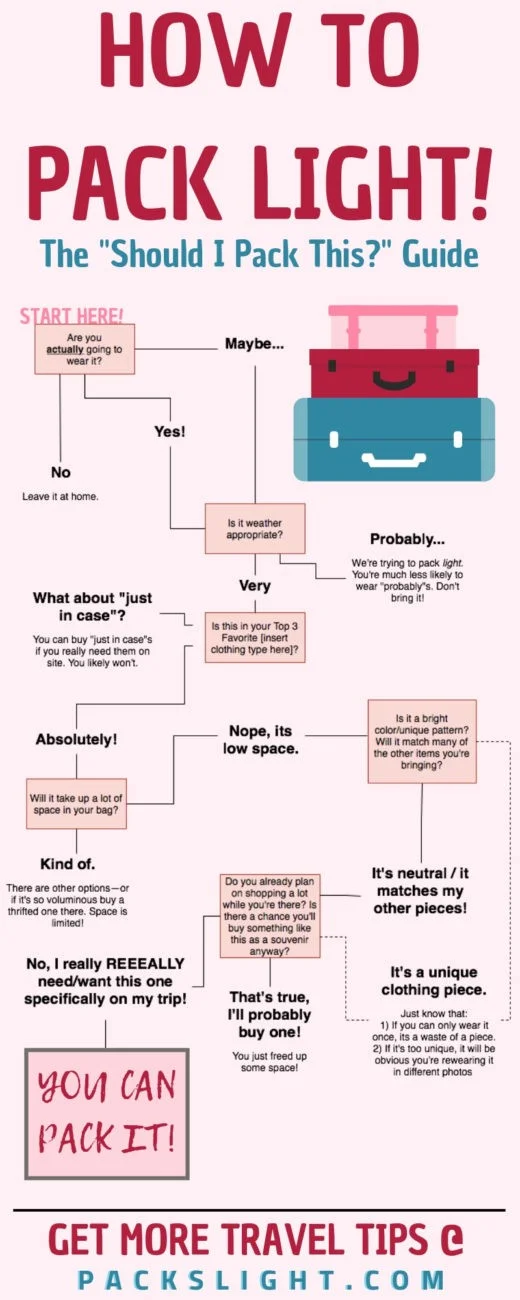
Creating a thoughtfully pared-down list is key. Start with basics: clothing for two days, personal care items, and tech necessities. Add a few extras like an additional pair of underwear and socks. In one trip, I learned the hard way that unexpected mishaps happen, so packing backups avoids discomfort.
Limit yourself to items you’ll realistically use. For instance, if you’re staying in a hotel with toiletries, skip packing shampoo and conditioner to save space. Keep your checklist in your phone or notebook to avoid forgetting anything important.
How to Select Versatile Clothing Items
Opt for neutral colors and simple styles that can be mixed and matched effortlessly. I once traveled with a small wardrobe of black, white, and navy pieces which allowed me to create different looks without extra weight.
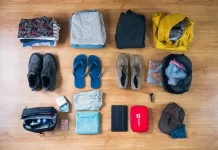
Choose comfortable walking shoes suitable for various terrains, especially if your weekend involves exploring outdoors. For cooler weather, layering is essential; pack a lightweight jacket and base layers that can adapt to temperature changes. This approach means you won’t have to bring multiple bulky items, just a few pieces that perform double duty.
Essential Items You Should Never Forget
Personal Care and Toiletries
Even for a short trip, basic toiletries are non-negotiable. Toothbrush, toothpaste, deodorant, and travel-sized skincare products keep you fresh on the go. A small comb or brush and any prescription medications should be packed too.
Be mindful of restrictions if traveling on specific transportation modes. For example, bringing milk products on an Anderson motorcoach was discouraged because of cleaning difficulties, so it’s worth checking such rules in advance.
Tech Gadgets and Chargers
Your phone, camera, and other gadgets need reliable power sources. Bringing an extra portable charger is a wise move for extended periods away from outlets. On one trip, having two chargers kept me connected all day without stress.
Don’t forget appropriate cables and adapters. Keeping them in a dedicated pocket or organizer prevents last-minute hunting.
Travel Documents and Money Management
Ensure you have all necessary documents like ID, passport, tickets, and any tour vouchers printed or saved on your phone. Carry some cash alongside credit or debit cards to cover expenses where cards might not be accepted.
Organizing these items in a travel wallet or pouch helps prevent misplacement and speeds up security checks or ticket validations.
Pro Tips for Maximizing Space and Efficiency
Rolling vs Folding Clothes: Which Works Best?
Rolling clothes is generally more space-efficient and reduces wrinkles compared to traditional folding. On trips where luggage space was limited, rolling allowed me to fit everything neatly while preserving garment condition. However, for delicate or structured clothing, gentle folding might be better.
Using Packing Cubes and Organizers
Packing cubes are fantastic for segmenting clothes and accessories. They keep your bag tidy and make it easy to find specific items without digging through everything. For instance, placing underwear and socks in one cube and shirts in another speeds up unpacking and repacking during a short stay.
How to Layer Clothes to Save Space
Layering isn’t just great for adapting to changing weather; it also helps minimize bulk. Instead of packing heavy sweaters, I bring thin thermal tops that can be layered under shirts and jackets. This method saves considerable room and weight, allowing more flexibility without sacrificing comfort.
Final Checklist Before You Walk Out the Door
Quick Essentials Review
Before leaving, quickly verify that you have your travel documents, wallet, phone, charger, personal care items, and a change of clothes. I keep these essentials in a small pouch or front pocket of my bag to access them immediately if needed.
Double-check weather forecasts and adjust clothing or accessories accordingly, ensuring you’re prepared without overpacking.
Last-Minute Tips for Stress-Free Travel
Give yourself extra time to pack and avoid rushing. A calm start reduces the chance of forgetting important items. If you’re using public or shared transportation like Anderson motorcoaches, note available storage and onboard rules to pack appropriately.
Lastly, keep a positive mindset. Even if something small gets left behind, a 2-day weekend trip is all about enjoying the moment and new experiences.