
















Understanding the Benefits of Raised Garden Beds
Why Choose Raised Beds for Small Backyards?
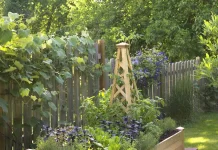
Imagine transforming a cramped backyard corner into a vibrant garden bursting with fresh vegetables and flowers. Raised garden beds make this possible, especially in small spaces. Unlike traditional garden plots that require extensive groundwork, raised beds provide structure and focus to your gardening efforts. They allow you to maximize every inch of space while keeping plants organized and accessible. This design also makes gardening less physically demanding, ideal for those who prefer not to bend or kneel extensively.
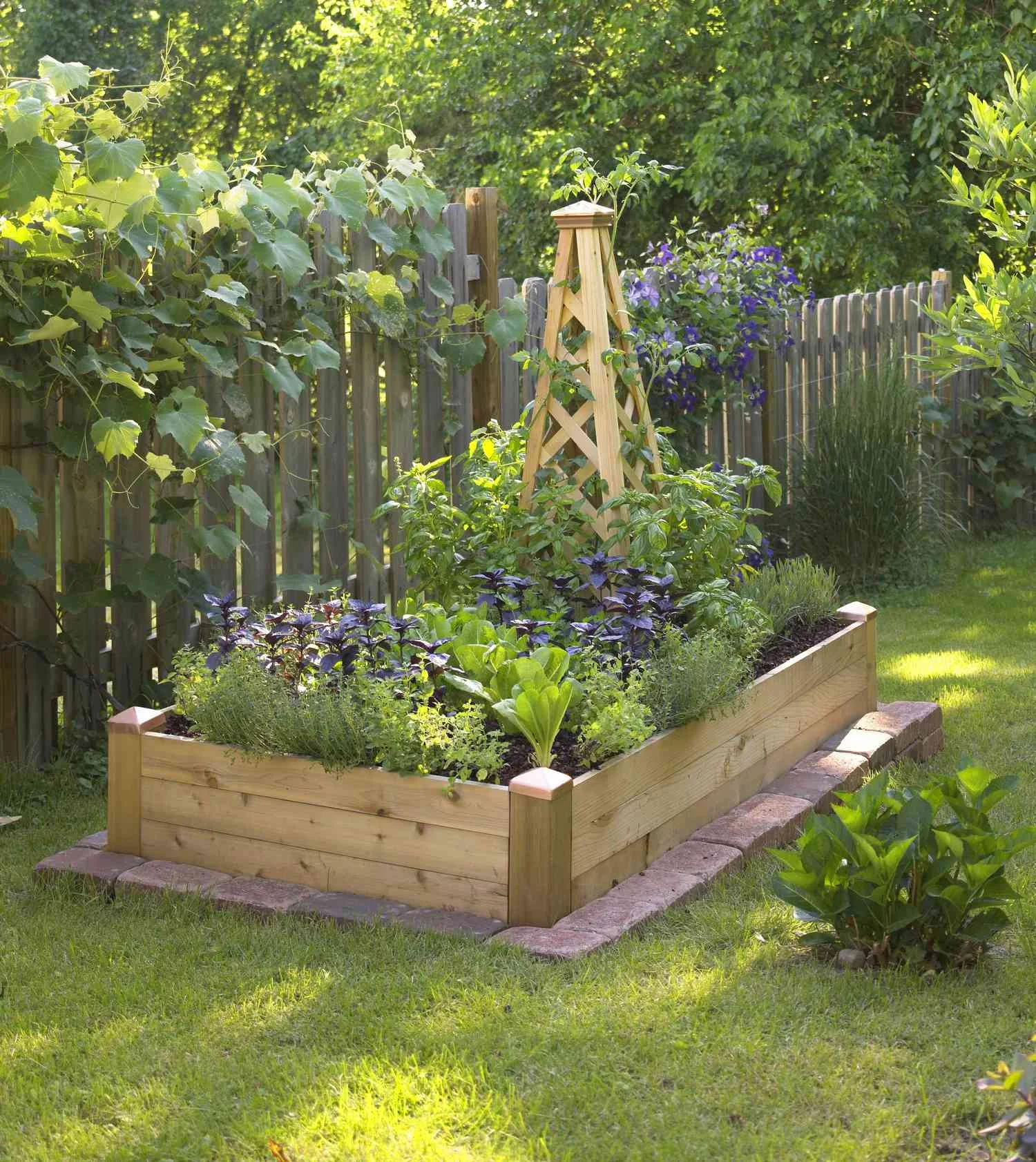
For families living in urban or suburban areas with limited yard space, raised beds offer an efficient way to grow a variety of plants within a controlled environment. Gardeners can customize bed sizes according to their yard’s unique shape, making the most of even the narrowest spots. This flexibility turns previously unused corners into flourishing green spaces, boosting both curb appeal and food production.
Improved Soil Quality and Drainage
A key advantage of raised beds is soil improvement. In many small backyard settings, the native soil may be compacted, rocky, or contaminated. Raised beds allow you to bring in rich, compost-amended soil tailored to your plant’s needs, sidestepping common ground issues. Better soil means healthier roots, improved nutrient uptake, and ultimately superior harvests.
Drainage also improves dramatically. Because the beds are elevated, excess water drains away more efficiently, reducing the risk of root rot and waterlogging. This is especially beneficial in regions with heavy rainfall or poor natural drainage. Additionally, raised beds warm up earlier in spring, extending growing seasons—an advantage that small backyard gardeners can’t afford to overlook.
Planning Your Raised Garden Bed
Assessing Available Space and Sunlight
Before grabbing materials, step outside and take a walk around your yard. Carry a tape measure or use a garden hose to outline potential bed shapes and sizes. By physically mapping out the space, you gain insight into what will truly fit without overcrowding your backyard. Pay attention to how the sun moves throughout the day—most vegetables need at least six hours of direct sunlight to thrive.
For example, Jane, a homeowner with a tiny backyard in a shaded neighborhood, chose a spot next to her patio that caught morning sun. She noticed the western side stayed shaded after afternoon, so she designed a bed that fits perfectly under the sunlit window. This thoughtful placement ensures her tomatoes and peppers get adequate sunlight while maximizing her limited space.
Selecting the Right Location
Proximity matters more than you might think. Situating a raised bed near your home’s walkway, kitchen door, or play area encourages daily interaction with your plants. You’re more likely to water, weed, and harvest regularly if the garden is within easy reach. This also allows you to monitor plants for pests or disease more easily.
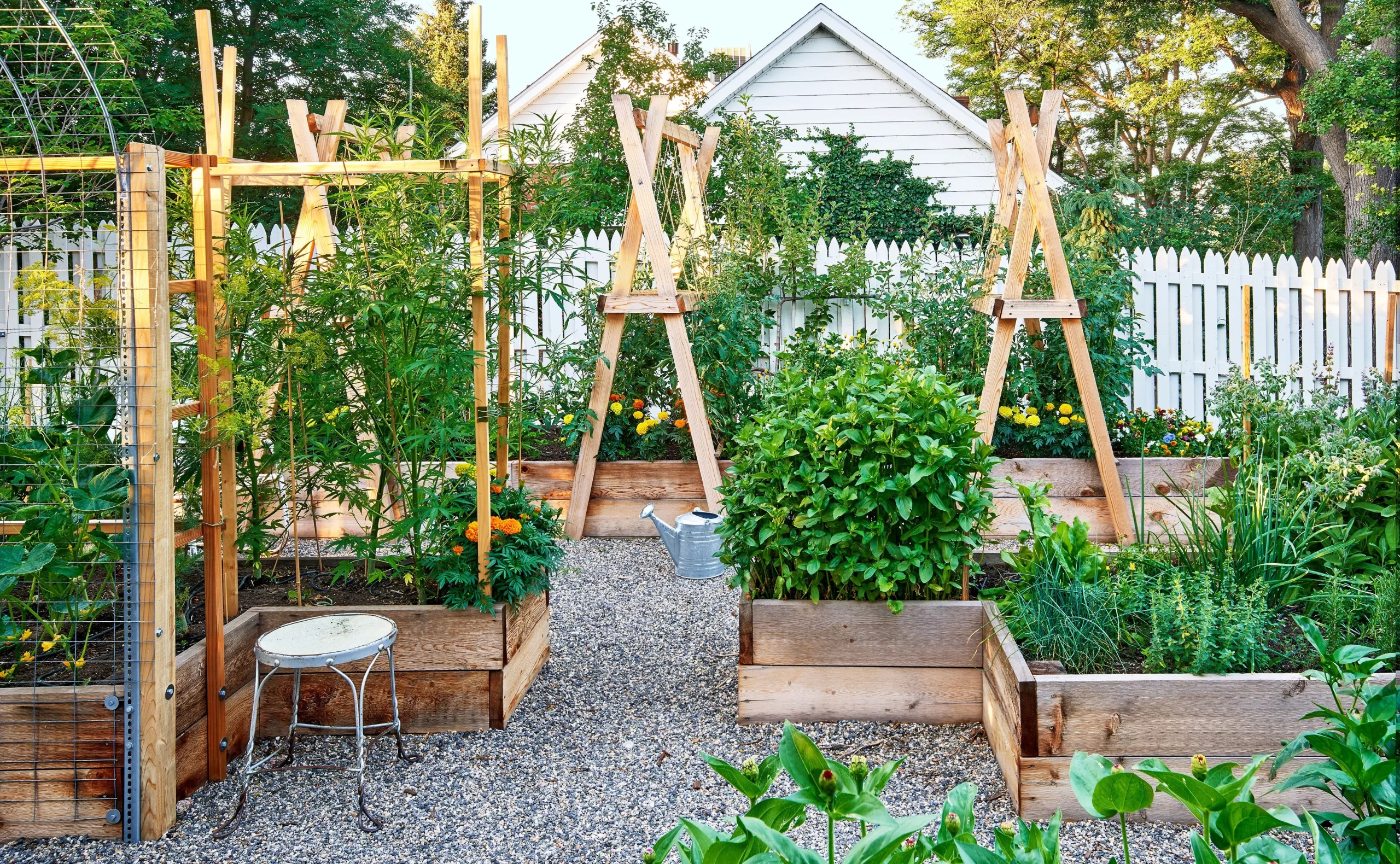
Consider accessibility for tasks like watering and harvesting. A winding path through the yard may look charming but complicate trips to the garden. Prioritizing convenience saves time and effort, making sustainable gardening habits more achievable.
Choosing Materials: Wood, Metal, or Composite?
Material choice impacts appearance, durability, and cost. Wood, a classic pick, is affordable and simple to work with, especially cedar or redwood that resist rot naturally. However, untreated wood can deteriorate quickly. Metal beds, often galvanized steel or aluminum, offer sleek modern looks and longevity but can be prone to heating soil excessively in hot climates.
Composite materials, blending recycled plastics with wood fibers, provide rot resistance and low maintenance though they tend to be pricier. For instance, Mike selected cedar for his raised beds after considering local availability and budget. He lined the interior with landscaping fabric to prolong wood life, balancing cost and durability.
Tools and Materials You Will Need
Essential Tools Checklist
Building a raised bed requires a modest toolkit that many homeowners already own. You’ll need a measuring tape, a saw for cutting lumber, a drill or screwdriver for assembling the frame, and a level to ensure an even build. Don’t forget gloves to protect your hands and a rake or shovel for soil preparation.
For leveling and marking the layout, a garden hose or stakes and string help visualize the design on the ground before committing to cuts. Having all tools ready before starting keeps the workflow smooth and frustration minimal.
Material Procurement Tips
Gathering supplies in advance avoids last-minute trips that can stall progress. Local garden centers or hardware stores may have limited stock, so ordering materials ahead of time—especially specialty soil mixes or composite lumber—ensures availability.
Using standard lumber lengths minimizes waste and saves money. For example, 8-foot boards can be easily cut into sections for a 4×8-foot bed. By planning carefully, you avoid overbuying or returning unusable leftover pieces. Involving children in picking out materials or carrying light items adds a fun, family-oriented vibe to your project.
Step-by-Step Construction Process
Measuring and Marking the Layout
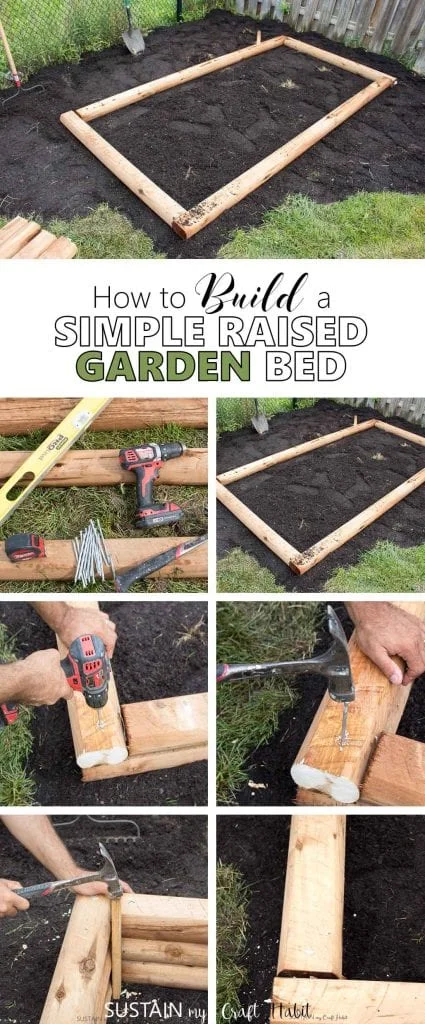
The first tangible step is marking the bed’s footprint on the ground. Lay out the bed’s edges using a garden hose or string, adjusting dimensions until the fit feels right. Many gardeners recommend a bed width of no more than 4 feet to allow easy access from both sides without stepping inside.
Height matters too. While 6 inches is the minimum for many shallow-rooted plants, 10 inches or more gives root vegetables and larger plants ample room to grow. Marking with precision prevents costly mistakes during assembly.
Building the Frame
Cut your wood or other materials to the measured lengths. Assemble the frame using screws or brackets for stability. If working with children, assign simple tasks like handing over screws or holding pieces in place safely. This makes the process interactive and fun.
Ensure corners meet neatly and the frame sits squarely on level ground. Using a carpenter’s square helps maintain straight lines, resulting in a tidy, professional-looking bed.
Preparing the Ground and Leveling
Clear the designated area of grass, weeds, and rocks. If drainage is a concern, loosen the native soil underneath with a garden fork. Level the ground by adding or removing soil as needed to avoid pooling water later.
Some gardeners add a layer of cardboard beneath raised beds to block weeds while allowing water to penetrate. This technique also helps recycle paper waste. Level beds simplify planting and irrigation efforts.
Filling the Bed with Soil and Amendments
Fill the frame with a blend of quality topsoil, compost, and other organic amendments tailored to your plants. Many gardeners swear by a mix of one-third garden soil, one-third compost, and one-third coarse sand or perlite for balanced drainage and nutrition.
Lightly tamp down the soil to reduce settling but avoid over-compacting, which restricts root growth. Water the soil thoroughly to settle it before planting. Adding mulch later helps retain moisture and reduce weed growth.
Planting and Maintenance Tips
Best Plants for Raised Beds in Small Spaces
Space is precious in a small backyard, so choose plants that offer high yields without sprawling excessively. Leafy greens like spinach and lettuce grow well in compact rows, while cherry tomatoes and dwarf pepper varieties thrive in containers within raised beds.
Square-foot gardening is a popular technique that uses a grid system to maximize productivity. For example, planting carrots in dense clusters in one square while allocating another for herbs keeps your garden orderly and manageable.
Watering and Fertilization Guidelines
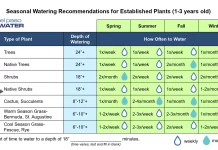
Raised beds dry out faster than in-ground gardens, so monitor soil moisture closely. Early morning or evening watering helps reduce evaporation. Drip irrigation systems or soaker hoses work efficiently for raised beds, delivering water right to the roots without waste.
Fertilize based on plant needs and soil tests. Organic options like compost tea or fish emulsion nourish plants gently without risking chemical buildup. Regular feeding supports vigorous growth and bountiful harvests.
Pest Control Strategies
Small spaces can concentrate pests but also make it easier to spot and manage them early. Hand-picking pests, using row covers, or encouraging beneficial insects like ladybugs are effective organic strategies.
Keep the area around beds clean of debris to discourage slugs and rodents. Crop rotation each season reduces soil-borne diseases and pest buildup, maintaining garden health over the long term.
Common Mistakes to Avoid
Overcrowding Plants
It’s tempting to cram as many plants as possible into a small bed, but overcrowding can stunt growth and increase susceptibility to disease. Give each plant enough room to grow leaves and roots freely, resulting in healthier crops and easier maintenance.
Poor Soil Preparation
Neglecting soil quality is a surefire way to undermine your garden. Using low-grade or compacted soil without amendments limits nutrient availability and water retention. Investing time in mixing rich organic matter pays off with more productive beds.
Conclusion: Maximizing Your Small Backyard Garden
A raised garden bed is a transformative addition to any small backyard. By carefully planning location, choosing durable materials, and following thoughtful construction steps, you create a vibrant space that combines beauty and functionality. From assessing sunlight to selecting plants suited for tight quarters, every decision shapes the success of your garden.
Remember, the key is to keep the garden accessible and manageable, encouraging daily engagement and ongoing care. Whether you’re a seasoned gardener or a curious beginner, raised beds offer a rewarding way to reconnect with nature and enjoy fresh, homegrown produce right outside your door.