


















Understanding Your Current Commute Expenses
Analyzing Daily Transportation Costs
One of the first hurdles in cutting transportation costs when commuting is a lack of clarity about exactly how much you’re spending each day. Many commuters underestimate their expenses because they only consider obvious costs like fuel or transit fares. However, a detailed analysis of your daily transportation costs reveals the full picture, allowing for better financial planning and smarter decisions.
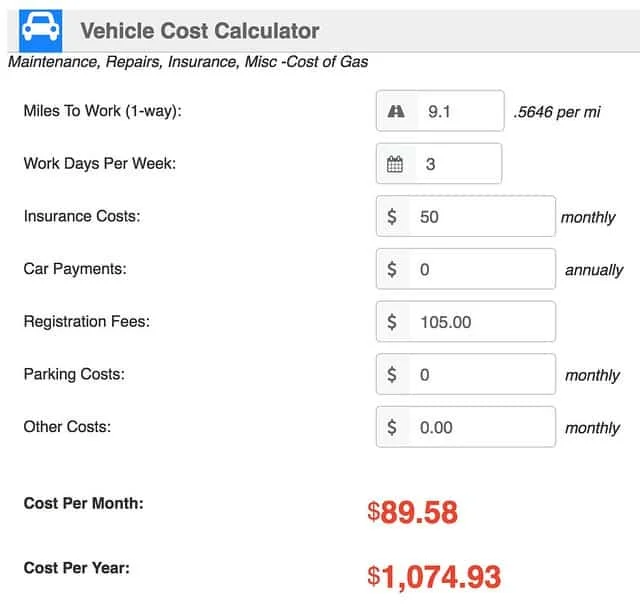
Start by recording every expense related to your commute over at least a week. This includes fuel, parking fees, public transit tickets, and tolls. By tracking these costs, patterns begin to emerge showing where money might be slipping away unnoticed. Without this attention to detail, it’s difficult to identify potential savings effectively.
Identifying Hidden Fees and Wastage
Beyond direct expenses, hidden fees such as cab surcharges, daycare drop-off charges related to travel, or small tolls can accumulate rapidly. Many commuters overlook these small but frequent outlays. Additionally, wastage can come in the form of inefficient routes or excessive idling in traffic, which not only wastes time but increases fuel consumption.
Recognizing these hidden costs is crucial because they subtly inflate your commute budget. Once identified, you can explore alternatives or strategies that minimize their impact. For example, avoiding peak hour toll routes or consolidating daycare pickups with route planning can lead to noticeable savings.
Smart Route Planning to Reduce Travel Time and Cost
Using Apps and Tools for Efficient Navigation
Technology offers powerful tools to optimize your commute. Navigation apps like Google Maps or Waze use real-time data to suggest the fastest and least congested routes. Ignoring these resources often leads to longer commutes and higher fuel expenses due to stop-and-go traffic.
By planning your route with these tools, you can avoid traffic jams and find alternate paths that consume less fuel and time. Additionally, some apps provide insights into toll costs, suggesting routes that balance price and duration, helping you make informed choices daily.
Exploring Alternative Routes and Modes
Rigid commuting habits often mean sticking to the same route every day without considering alternatives. Trying different paths or modes can sometimes reduce your expenses significantly. For instance, a slightly longer walk combined with public transit might cost less than driving the whole way.
Experimentation is key. Changing your route on less busy days or mixing travel modes may reveal cost-saving options you hadn’t considered before. Flexibility here is invaluable for tailoring your commute to balance time, comfort, and affordability.
Cost-Effective Transportation Methods
Benefits of Carpooling and Ride Sharing
Carpooling presents a straightforward way to share expenses while also reducing environmental impact. The problem many face is finding reliable partners and coordinating schedules, which can be a barrier to participation.
To overcome this, connect with coworkers or neighbors who share similar routes and discuss forming regular carpool groups. Additionally, some workplaces offer gas discount programs or preferred parking for carpoolers, further incentivizing this option. By splitting fuel and toll costs, you drastically reduce individual financial burdens.
Maximizing the Use of Public Transit
Public transit offers affordability but can still be expensive if not leveraged properly. Single-ride fares add up quickly, making it difficult to save money without a strategic approach. One common pitfall is neglecting transit passes or fare capping systems that limit total spending.
Investing in weekly or monthly transit passes gives significant discounts over single fares and provides predictable monthly expenses. Learning about local fare capping, where transit systems limit your spending after a certain threshold, can also prevent overspending. Planning your trips to maximize these benefits ensures you get the best value from public transit.
Incorporating Cycling and Walking
Active commuting through biking or walking is the most cost-effective method but introduces safety concerns that can deter many from adopting it. Riding without proper safety gear or neglecting traffic rules significantly increases risks to your well-being.
Wear correctly sized helmets and bright or reflective clothing, especially if cycling at night, to enhance visibility and safety. Always use designated crossing points and remain vigilant about your surroundings. These precautions not only safeguard you but foster confidence in adopting healthier, cheaper transportation alternatives.
Vehicle Maintenance Tips to Save Money
Regular Checkups and Fuel Efficiency
Poor vehicle maintenance dramatically increases commuting costs. Neglected tune-ups, underinflated tires, or dirty air filters can lower fuel efficiency, resulting in unnecessary fuel expenses. Regular checkups prevent these problems by keeping your car running optimally.
Simple habits like monitoring tire pressure, changing oil on time, and scheduling seasonal inspections reduce the risk of breakdowns and keep your fuel consumption in check. Awareness of your vehicle’s condition translates into tangible savings over time and avoids costly emergency repairs.
Choosing the Right Vehicle for Commuting
Another issue is using vehicles ill-suited for daily commuting. Large SUVs or older models tend to consume more fuel and demand higher maintenance costs. The solution lies in evaluating your transportation needs honestly and selecting a vehicle that balances comfort, fuel economy, and upkeep costs.
Hybrid or electric vehicles might have higher upfront prices but offer long-term savings through reduced fuel expenditures and lower maintenance. If buying new isn’t feasible, focusing on fuel-efficient models or even smaller cars can immediately reduce commuting expenses.
Employer-Supported Initiatives and Incentives
Exploring Subsidies and Transportation Benefits
Many employees aren’t aware of the transportation benefits their employers might offer. Neglecting these initiatives leads to missed opportunities to lower commuting costs. Typical benefits include subsidized transit passes, parking discounts, or gas voucher programs.
Engage with your HR department to discover what support your workplace provides. Some companies also participate in commuter benefit programs that allow pre-tax deductions for transit expenses, effectively reducing taxable income and saving you money.
Negotiating Flexible Work Hours or Remote Work
A significant challenge to cost-effective commuting is rigid work schedules that force travel during peak hours, resulting in higher costs and stress. Negotiating flexible work times or partial remote work can reduce these burdens.
Open discussions with HR about adjusting your schedule to avoid rush hours or working from home a few days a week can lead to substantial financial and time savings. Flexibility diminishes exposure to expensive tolls and parking while improving work-life balance.
Seasonal and Weather-Based Adjustments
Adjusting Commute Strategies Based on Weather
Changing weather conditions can affect commuting costs and safety. For example, wet or icy roads increase fuel consumption and risk of accidents if not addressed. The problem arises when commuters fail to adapt their strategies accordingly.
On bad weather days, consider switching to public transit or carpooling to reduce wear and tear on your vehicle and minimize hazards. Preparing alternative routes and leaving earlier can also prevent costly delays and fuel wastage caused by stop-and-go traffic from weather disruptions.
Adapting to Seasonal Changes to Save Costs
Seasonal changes bring shifts in daylight, temperature, and traffic patterns that impact commuting. Failing to account for these can lead to unnecessary expenses, such as extended use of heating or lighting during winter commutes.
Modify your commuting approach seasonally by dressing appropriately to reduce the need for extra vehicle heating, and use daylight hours for walking or cycling when possible. Planning ahead for these changes keeps costs lower and ensures a smoother, safer trip throughout the year.