





















Understanding the Afternoon Slump
What Causes Afternoon Energy Dips?
Many professionals and students alike have faced the notorious afternoon slump, that mid-day period when energy plummets unexpectedly. This dip often occurs between 1 p.m. and 3 p.m., leaving you feeling sluggish and unfocused. One common cause is our natural circadian rhythm, which experiences a trigger for rest after lunch. Additionally, heavy or carb-rich meals can lead to blood sugar fluctuations, intensifying fatigue. Environmental factors, like insufficient natural light and prolonged sitting, also contribute to this lull.
Recognizing Symptoms of Reduced Productivity
Imagine Sarah, a marketing manager, who notices her work pace slows every afternoon. She struggles to concentrate on complex tasks, becomes easily distracted, and finds herself reaching for coffee repeatedly. These signs—difficulty focusing, increased errors, and procrastination—are hallmark symptoms of reduced afternoon productivity. Recognizing these patterns early can help you implement strategies to regain control of your workday.
Introduction to the Pomodoro Technique
History and Origins of the Method
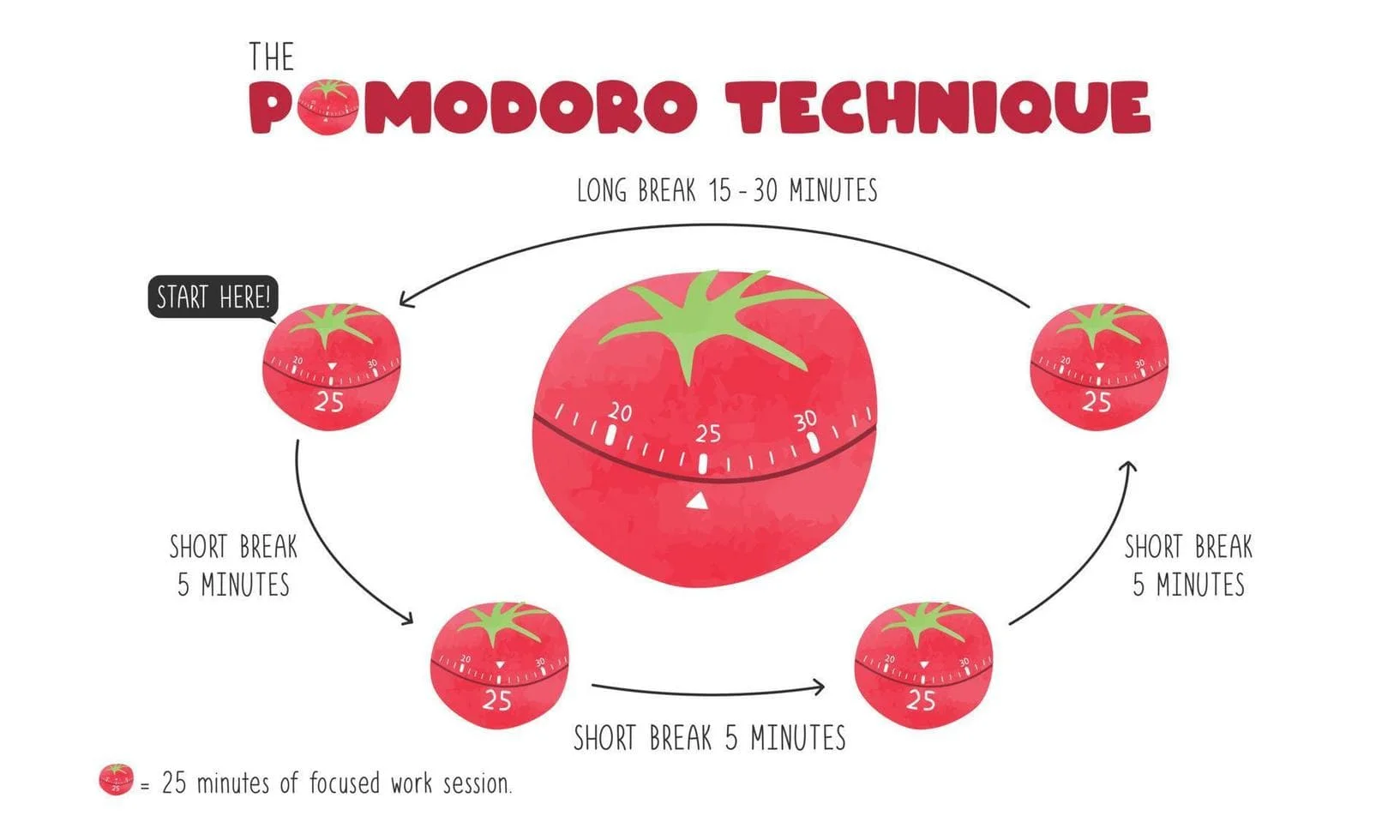
The Pomodoro Technique was developed in the late 1980s by Francesco Cirillo, who named it after the tomato-shaped kitchen timer he used as a university student. This time-management method emerged from a simple idea: breaking work into focused intervals, typically 25 minutes long, separated by short breaks. By segmenting time, it aims to reduce procrastination and improve concentration, making it especially useful during times when focus naturally wanes.
The Basic Principles and Steps
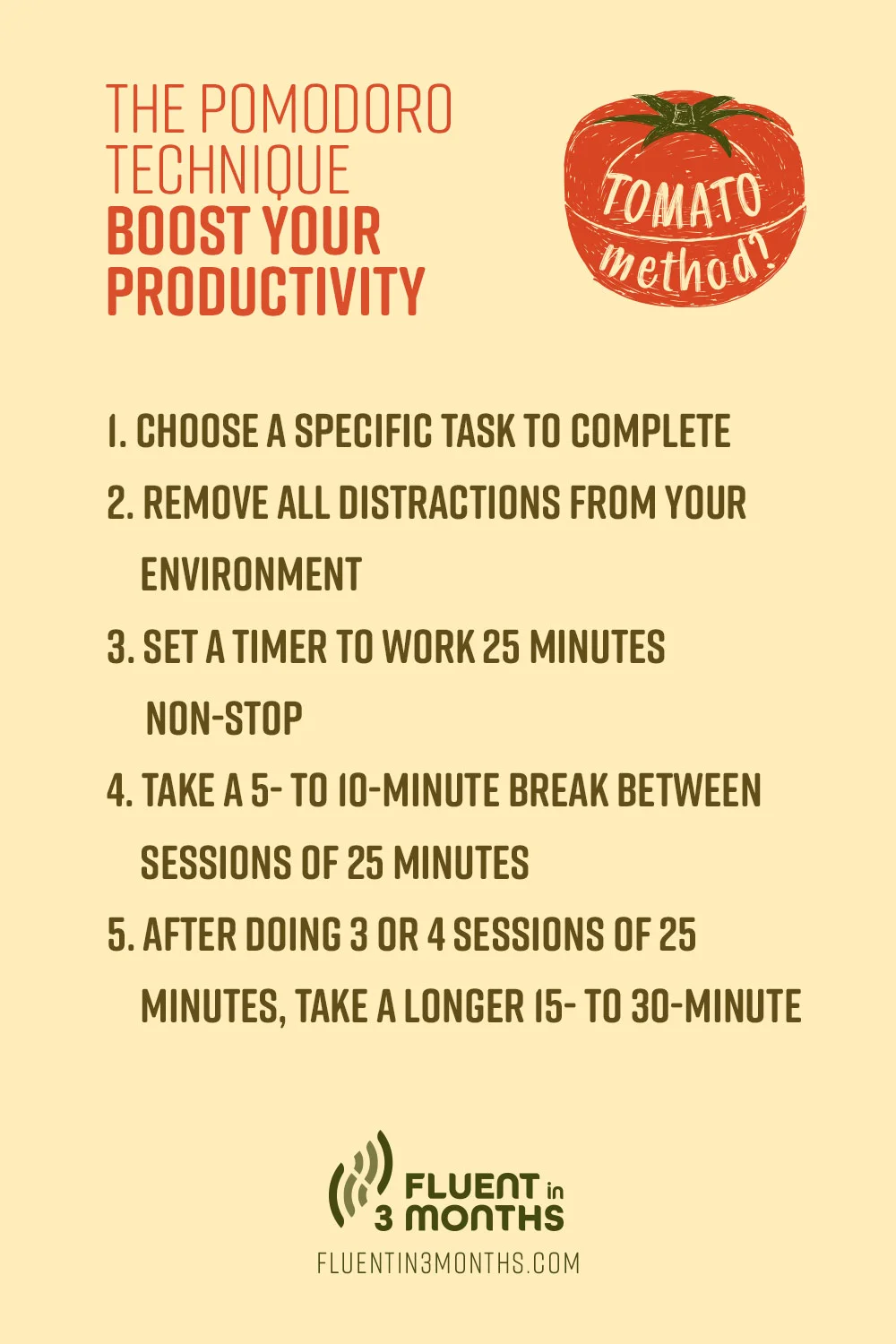
At its core, the Pomodoro Technique involves working for a set period—usually 25 minutes—followed by a brief 5-minute break. After completing four “pomodoros,” take a longer break of 15 to 30 minutes. This cycle promotes sustained attention while allowing the brain to rest regularly. The method stresses focusing on only one task at a time, which minimizes mental clutter and multitasking pitfalls.
Implementing the Pomodoro Technique to Combat Slumps
Customizing Pomodoro Intervals for Your Work Style
Not everyone thrives on the classic 25-minute interval. Take Alex, a graphic designer, who found his creativity peaks at around 40 minutes of deep work before needing a pause. Adjusting the length of each pomodoro allows you to tailor the technique to your natural rhythms. Start with the traditional intervals, then experiment by lengthening or shortening sessions to find what keeps your productivity steady without burnout.
Integrating Short Breaks to Recharge Effectively
During breaks, resist the temptation to check social media or emails, as these activities can disrupt your mental reset. Instead, try quick stretching exercises or a walk to a window for natural light, much like Jenna, who noticed that five minutes of movement during breaks helped her combat afternoon fatigue. These short recharges prevent cognitive overload and prepare your brain for the next focused session.
Tools and Apps That Enhance Pomodoro Sessions
Whether you prefer a physical timer like the classic tomato-shaped one or a digital solution, there’s a wealth of options. Apps such as Forest, Focus Booster, and Pomodone offer customizable timers and task tracking. Miguel, a freelance writer, uses Todoist alongside a Pomodoro app to not only keep his sessions timed but also jot down distractions or sudden task ideas, keeping his workflow organized and uninterrupted.
Advanced Strategies: Combining Pomodoro with Energy-Boosting Habits
Incorporating Movement and Stretching Breaks
Complementing Pomodoro sessions with deliberate movement can amplify energy levels. For example, during longer breaks, stand up for a few minutes, do some light stretches, or step outside for fresh air. This helps counteract the effects of prolonged sitting and reinvigorates circulation, leading to clearer thinking and reduced afternoon sluggishness.
Healthy Snacking and Hydration Tips for Sustained Focus
Relying solely on caffeine to fend off sleepiness in the afternoon can backfire, causing jitters and disturbed nighttime sleep. Instead, nourishing your body with protein- and fiber-rich snacks, like nuts or fruit, can keep energy stable. Drinking sufficient water throughout the day also prevents dehydration-related fatigue. Eating a balanced lunch and delaying morning caffeine intake extends alertness later into the day, making afternoon slumps easier to handle.
Measuring Success: Tracking Productivity Improvements
Using Journals and Time-Tracking to Analyze Performance
To truly understand how the Pomodoro Technique impacts your work, keep a journal or use digital time-tracking tools. Note what was accomplished in each session and how you felt during and after. Over time, patterns emerge—perhaps your afternoon focus strengthens or certain tasks are better suited to particular times. This feedback loop allows you to refine your approach continually.
Adjusting Your Pomodoro Routine Based on Results
If you find yourself consistently distracted after two pomodoros, consider shortening sessions or incorporating more frequent breaks. Conversely, if you’re in a flow state, extend work intervals to avoid interrupting momentum. Flexibility is key; adopting the technique is about enhancing productivity in a way that respects your unique energy and focus cycles.
Conclusion: Mastering Afternoon Productivity with Pomodoro
Afternoon slumps can disrupt your workday, but using the Pomodoro Technique offers a practical, science-backed way to sustain focus and beat fatigue. By experimenting with interval lengths, integrating energizing breaks, and coupling Pomodoro with healthy lifestyle habits, you create an efficient and sustainable routine. Remember, the goal is not perfection but consistent progress—be kind to yourself, listen to your body’s cues, and watch as your afternoon productivity flourishes.