














Understanding Allergy-Friendly Fall Decor
Common Allergens Found in Traditional Fall Decorations
Many fall decorations include natural elements like dried leaves, pinecones, and hay, which can harbor mold spores and dust mites. These allergens may trigger reactions in sensitive individuals, causing sneezing, itching, or respiratory discomfort. Likewise, artificial decor made from certain plastics or fabrics may emit volatile organic compounds (VOCs), further irritating allergy sufferers.
Benefits of Choosing Allergy-Conscious Materials
Opting for allergy-friendly fall decor allows you to enjoy the seasonal ambiance without compromising comfort. Hypoallergenic materials reduce exposure to common triggers and help maintain indoor air quality. Additionally, allergy-conscious choices often involve natural, sustainable options that support health while enhancing your home’s cozy aesthetic.
Step-by-Step Guide to Crafting Allergy-Safe Autumn Decorations
Selecting Hypoallergenic Natural Elements
Begin by choosing natural items with low allergenic potential. Collect fresh, non-moldy leaves or acorns during a quick outdoor walk and use them immediately. Avoid storing these materials, as they can develop mold over time. Composting or burning them after use prevents allergen buildup. Faux natural items, like realistic artificial pumpkins and berries, are good alternatives when allergies are severe.
Using Essential Oils and Safe Scents
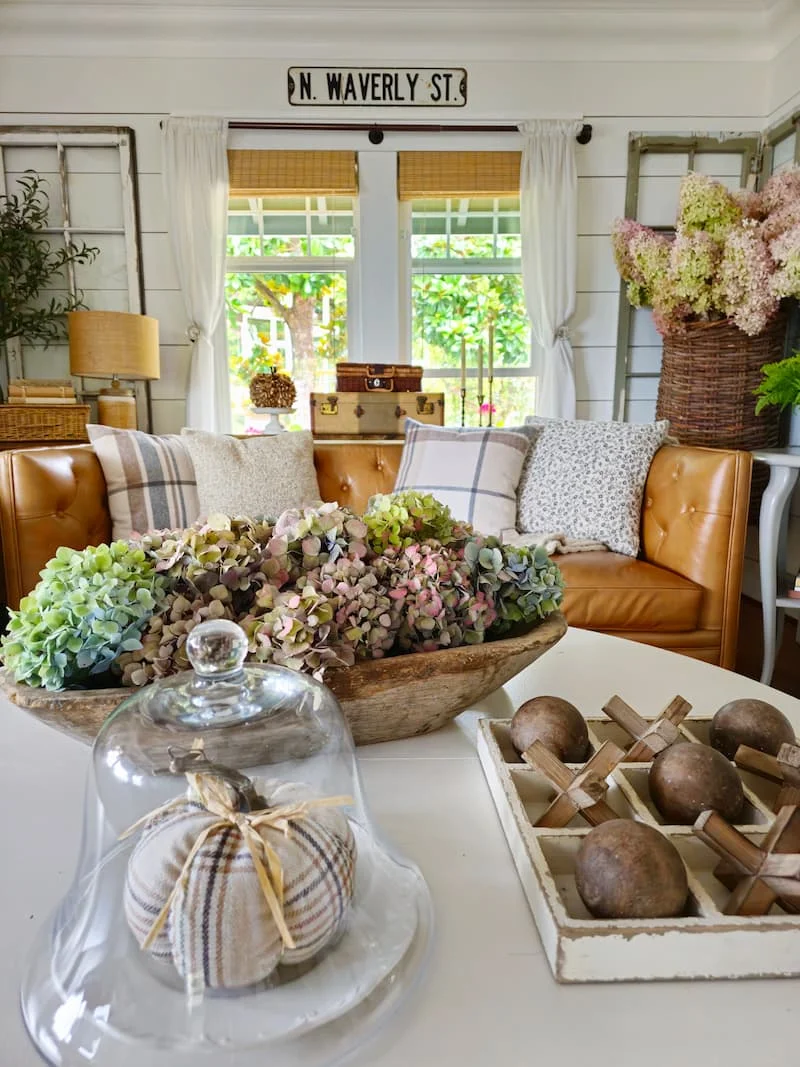
Fall scents can enrich your decor without aggravating allergies if selected wisely. Use essential oils such as cinnamon, clove, or orange, diffused lightly indoors. These provide a subtle autumn atmosphere without overpowering fragrances. Avoid synthetic scented candles that may contain allergens or irritants. Group natural wax candles by color on trays for both safety and style, like white candles on dark wood or black candles on white trays.
DIY Projects: Easy and Allergy-Friendly Fall Crafts
Create your own decorations using hypoallergenic supplies. For example, make garlands from fabric leaves or paint plain gourds to avoid pollen or mold. Repurpose household items incorporating fall colors to personalize your space without introducing allergens. These projects are simple, reduce clutter, and give you full control over materials used.
Incorporating Cozy Textiles Without Triggers
Best Fabric Choices for Allergy Sensitivity
Choose textiles with tightly woven fibers that resist dust accumulation. Materials like faux sheepskin rugs provide warmth and softness without the shedding common in natural fibers. Using these textiles draped over chairs or sofas adds texture and comfort while minimizing allergen exposure. Cotton blends treated for hypoallergenic properties also work well.
Maintaining Cleanliness to Avoid Allergens
Regularly vacuum and shake out textiles to remove settled dust and pet dander. Wash removable covers frequently using gentle detergents to prevent irritants from building up. Keeping fabrics clean ensures your cozy décor remains inviting and safe throughout the fall season.
Decor Placement Strategies to Minimize Allergic Reactions
Creating Allergen-Free Zones in Your Living Spaces
Designate certain rooms or corners as allergen-free zones, free from natural fall decor that might shed or collect dust. This provides a safe retreat for sensitive household members. Place heavily textured or fragrant items in well-ventilated areas away from sleeping spaces to reduce prolonged exposure.
Airflow and Ventilation Tips for a Healthy Fall Atmosphere
Good airflow helps disperse airborne allergens that may come from decor or other sources. Open windows when weather permits and use air purifiers with HEPA filters to improve indoor air quality. Avoid overcrowding spaces with decorations, which can trap dust and limit ventilation.
Maintaining Allergy-Friendly Decor Throughout the Season
Cleaning Routines for Fall Decorations
Dust and wipe down decorations weekly to prevent allergen accumulation. For natural materials, inspect regularly for mold or decay and discard if necessary. Candles and fabric items benefit from gentle cleaning to remove surface particles that can irritate sensitive individuals.
Storage Solutions to Prevent Allergen Build-Up
After the season, avoid storing large amounts of natural decor that can degrade and release allergens over time. Instead, compost or dispose of these items promptly. Use sealed containers for artificial decorations, and clean them before storage to maintain a fresh start next year.