




















Understanding the Risks of Traveling with Fragile Electronics
Common Damages and How They Occur
Fragile electronics are vulnerable to a range of damages during travel. Dropping, crushing, or exposure to moisture can cause cracks, malfunctions, or permanent damage. Baggage handlers may unintentionally toss or stack luggage, increasing the risk of impact. Security screening machines and rapid handling at airports also contribute to wear and tear.
Why Proper Packing is Crucial
Packing electronics correctly minimizes the risk of physical damage and environmental exposure. Proper organization and protection ensure devices remain functional and safe throughout your journey. This reduces stress and avoids costly repairs or replacements, making the travel experience smoother and more reliable.
Choosing the Right Protective Gear
Types of Cases and Their Benefits
Selecting suitable cases is a foundational step. Hard cases offer robust protection against impacts and moisture while soft cases provide ease of transport and flexibility. Weatherproof and impact-resistant cases defend against environmental hazards. Customizable hard cases with divider kits help keep gear securely in place, reducing movement and damage.
Essential Packing Materials for Shock Absorption
Padding materials like foam inserts, bubble wrap, or cushioned pouches absorb shocks and prevent scratches. Combining these with sturdy cases creates layers of defense. Using padded laptop sleeves within backpacks adds an extra barrier against drops. This thoughtful layering protects sensitive components effectively.
Step-by-Step Packing Process for Fragile Devices
Preparing Your Electronics Before Packing
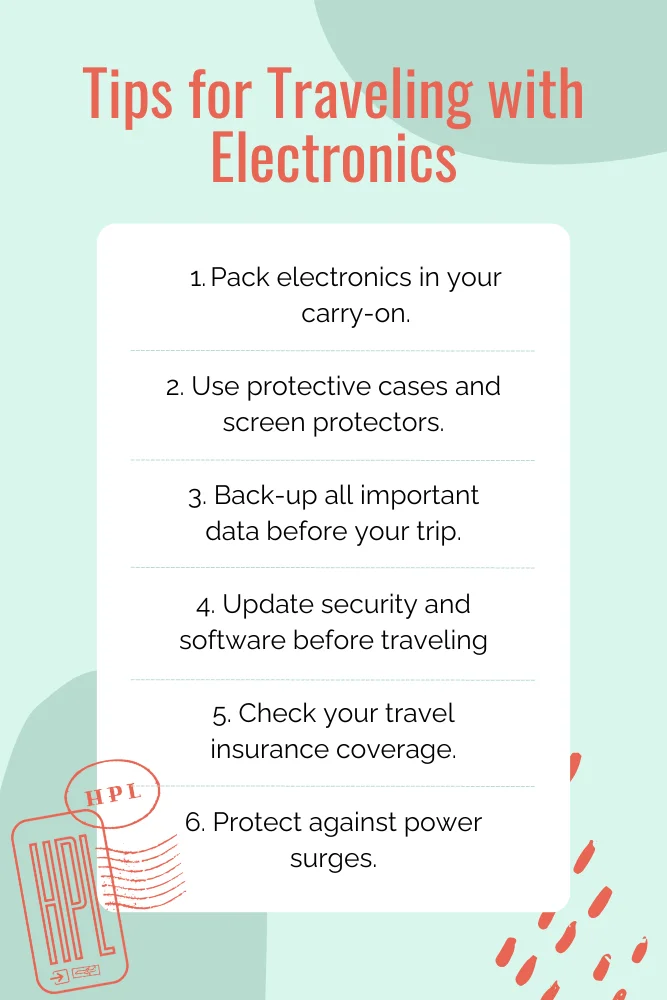
Before packing, clean your devices and turn them off completely. Remove detachable parts to prevent breakage. Back up important data in case of unforeseen damage. Charge batteries moderately to avoid leaks or swelling during transit. This preparation minimizes risks and ensures readiness upon arrival.
Layering Techniques to Prevent Damage
Start with a sturdy case suited to your electronics. Add shock-absorbing padding inside the case to fill empty spaces. Place the device carefully into the cushioned compartment, ensuring a snug fit. Wrap additional fragile components separately to avoid contact. This layering method increases protection against jostling or dropping.
Securing Accessories and Cables
Loose accessories can tangle or cause pressure points when packed together. Use gear ties to bundle charging cables neatly, preventing fraying and wear. Store smaller parts in dedicated pouches, such as tech organizers. Keeping everything organized reduces damage risk and speeds up retrieval.
Tips for Carrying Electronics Through Airports and Other Transit
How to Handle Security Checks Without Risk
Security processes can be stressful for electronics. Enrolling in TSA Precheck or Global Entry helps speed up screening and reduces handling. When gate-checked, remove your most valuable items from carry-on bags before handing them over. This ensures your devices remain under your control and less exposed to potential mishandling.
Best Practices for Carry-On vs Checked Luggage
Fragile electronics should always travel in carry-on bags when possible. This allows you to monitor and protect your gear closely. Use backpacks with padded laptop sleeves and anti-theft features to enhance security and comfort. If checking electronics is unavoidable, employ hard cases with internal dividers and waterproof protection to minimize risks.
After Arrival: Maintaining Safety for Fragile Electronics
Safe Unpacking and Inspection Tips
Unpack electronics gently and in a clean environment. Inspect your devices immediately for any signs of damage or moisture. Power them on carefully and test functionality before leaving the airport or transport hub. Early detection allows you to address issues promptly.
Storage Solutions at Your Destination
Store electronics in dry, safe areas away from extreme temperatures and humidity. Use padded cases or specialized bags when not in use. Organizing cables and accessories properly prevents tangling and wear. Consistent care prolongs the lifespan of your fragile devices throughout your trip.