
















Why Packing Light is a Game-Changer for Budget Travelers
The Cost Benefits of Carrying Less
Packing light offers significant financial advantages for budget travelers. When you limit your luggage to a carry-on, you avoid costly checked baggage fees that many airlines impose. This saving accumulates over multiple trips, allowing you to spend more on experiences rather than luggage expenses. Furthermore, traveling light means you are less likely to need transport services specifically designed for heavy or bulky luggage, such as extra taxi fare or specialized luggage storage rentals. In a nutshell, carrying less translates directly into spending less, which is essential when every dollar counts.
How Space-Saving Affects Your Travel Experience
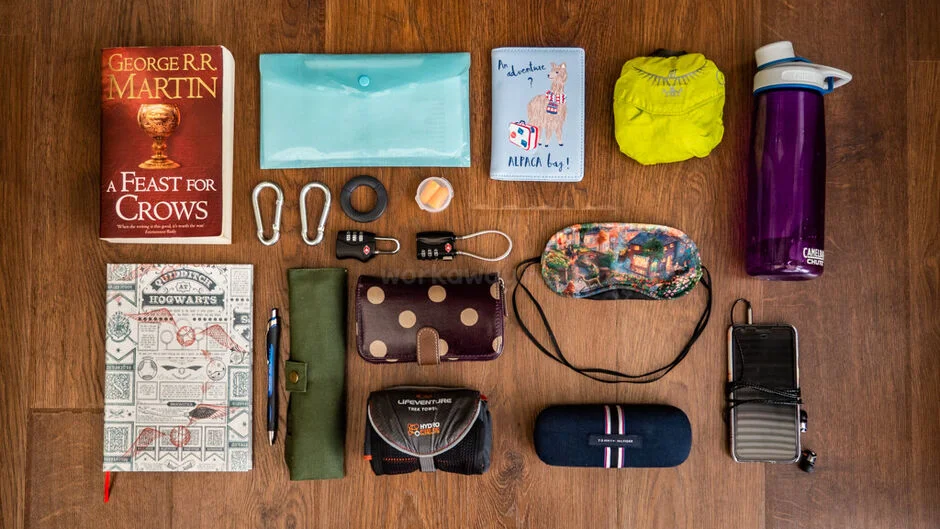
Reducing your packed items also enhances your overall journey. With less physical baggage, you move through airports, public transport, and accommodations with greater ease and flexibility. This flexibility is particularly valuable when navigating unpredictable travel environments or when switching between multiple destinations. Space-saving gear, like compact backpacks or multi-use items, reduces the strain of carrying heavy loads and keeps you agile. Additionally, it allows you to keep essentials within easy reach, improving comfort and convenience throughout your trip.
Top Must-Have Gear for Budget Travel
Multi-Use Items That Cut Costs
Choosing gear that serves multiple purposes is a cornerstone of packing smart. For example, a travel backpack that doubles as a daypack eliminates the need for a separate bag. Similarly, clothing items made from quick-dry and wrinkle-resistant fabrics reduce the need for frequent laundry stops and simplify packing. Accessories like universal travel adapters that support USB-C and USB-A connections minimize the number of chargers required, saving both space and money. These versatile items streamline your travel kit and reduce the temptation to overpack.
Compact and Lightweight Backpacks
For those keen on moving fast and light, selecting the right backpack is crucial. Soft-sided luggage generally offers durability and flexibility, as it withstands wear better than rigid options. Models such as the Travelpro Platinum Elite Carry-On Spinner offer practical features for frequent flyers under 25,000 miles annually, while premium options like Briggs & Riley Baseline Essential cater to those traveling even more intensively. Alternatively, carry-on backpacks like the Cotopaxi Allpa 35L or Peak Design Travel Backpack 45L combine organization and comfort, making them excellent choices for streamlined travelers focused on space optimization.
Affordable Clothing Essentials That Don’t Bulk Up Your Bag
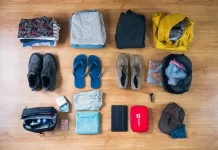
When packing clothes, prioritize lightweight, versatile pieces that layer well. Avoid bulky fabrics, opting instead for materials like merino wool or high-quality synthetics that maintain warmth without added weight. By selecting items that can mix and match easily, you reduce the amount of clothing needed. Compact packing not only saves space but also simplifies outfit planning on the road, allowing you to travel more freely without compromising comfort or style.
Innovative Space-Saving Packing Techniques
Rolling vs. Folding: Which Saves More Space?
How you pack can make as much difference as what you pack. Rolling clothing tends to compress fabric better than folding, creating fewer creases and saving precious suitcase space. However, for some delicate or structured items, folding might preserve their shape better. A hybrid approach works well: roll casual clothing like t-shirts and pants, and fold garments that need extra care. Experimenting with these techniques helps find the right balance for your gear.
Using Packing Cubes and Compression Bags Effectively
Packing cubes are invaluable for organization and space management. They allow you to compartmentalize your belongings, making it easier to access items without unpacking the entire bag. Compression bags further reduce volume by squeezing excess air out of bulky clothing. However, these tools come with a cost and weight consideration, so choose ones that are lightweight and durable. Accessory cubes, while an additional expense, can also protect electronics and small items, ensuring your bag remains neat and efficient.
Smart Shopping Tips for Budget Travel Gear
Where to Find Quality Gear Without Breaking the Bank
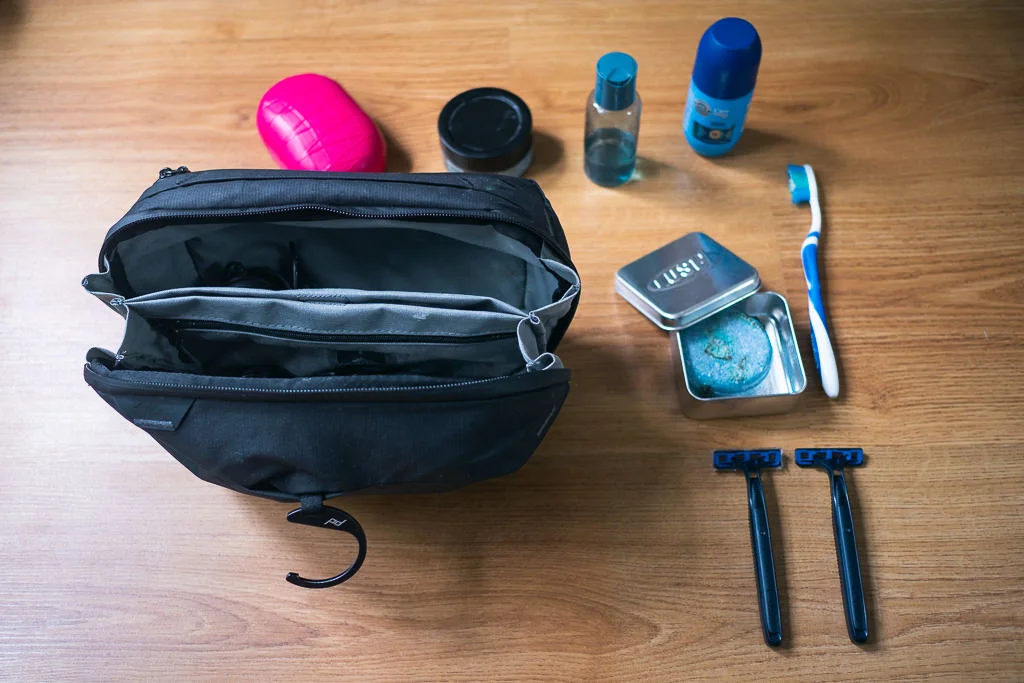
Quality travel gear doesn’t always mean expensive. Look for sales, outlet stores, and trusted brands that offer warranty-backed products. Online reviews and travel forums provide insights into long-lasting items favored by seasoned travelers. Thrift stores and secondhand marketplaces can also yield great finds at a fraction of the price without sacrificing durability. Balance is key: avoid cheap, low-quality products that might need frequent replacement, as this can cost more in the long run.
When to Invest in Durable Items vs. When to Save
Not all gear requires high-end investment. Prioritize durable and ergonomic luggage if you frequently travel long distances, as comfort and longevity become more critical. For occasional trips, moderately priced bags or backpacks with good reviews suffice. Electrical accessories like power banks benefit from thoughtful features such as digital readouts or magnetic USB-C cables, which may justify a higher cost. Conversely, disposable or low-cost items such as travel-sized toiletries can be replenished frequently without a significant dent in your budget.
Case Studies: Real Travelers Who Mastered Packing Light
How They Budgeted and Packed Efficiently
Many seasoned budget travelers share that their success hinges on a deliberate mindset: they pack less and choose quality over quantity. They often start by setting a strict packing limit, regularly reassessing what’s essential versus what could be left behind. Some rely on compact, versatile backpacks combined with multi-use gear to reduce volume. Buyers note that investing in durable items with warranties pays off, as replacements become less frequent and less urgent on the road.
Lessons Learned from Their Experience
From their stories, a few lessons stand out. First, overpacking often leads to unnecessary stress and higher costs, so erring on the side of packing light is safer. They emphasize the importance of choosing soft-sided, expandable luggage with comfortable handles and adjustable straps for ease of movement. Another key takeaway is limiting electronics to essentials and selecting gear compatible with multiple charging standards to simplify life. Finally, they recommend maintaining practical accessories like Chipolo trackers to avoid loss, and replacing their batteries annually to ensure reliability throughout travel.