



















Introduction to At-Home Fitness for Beginners
Why Start Exercising at Home?
Starting an exercise routine at home is an appealing option, especially for beginners who may feel overwhelmed by gyms or crowded spaces. The convenience of working out in your own environment removes barriers such as travel time, cost of membership, and scheduling conflicts. Additionally, exercising at home allows for privacy and comfort, encouraging consistent participation without the pressure of comparison.
Benefits of No-Equipment Workouts
Workouts without equipment offer flexibility and accessibility to anyone, regardless of budget or space constraints. Using just your body weight, you can build strength, improve cardiovascular health, and enhance flexibility. Without reliance on machines or weights, you also reduce setup time and can modify exercises easily. This simplicity makes it easier for beginners to adopt fitness as a sustainable lifestyle change.
Building Your Fitness Foundation
Setting Realistic Goals
One major challenge for beginners is setting goals that are achievable and motivating. Unrealistic expectations can lead to disappointment and abandonment of fitness efforts. Begin by defining clear, small milestones such as improving endurance for five minutes, mastering basic bodyweight movements, or exercising three times a week. These incremental goals foster confidence and demonstrate progress, which is critical for maintaining momentum.
Understanding Bodyweight Exercises
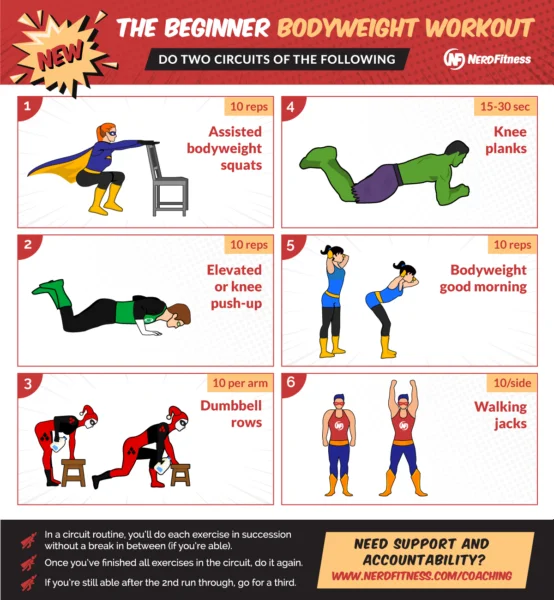
Bodyweight exercises are fundamental when starting at-home fitness because they require no extra gear and effectively engage multiple muscle groups. Movements like squats, push-ups, and lunges build strength and balance while improving joint health. However, it’s important to learn proper form first to avoid injury and maximize benefits. Starting with assisted versions of exercises, such as countertop push-ups or supported squats, can help beginners develop technique safely.
Daily Habits to Boost Your Fitness Journey
Creating a Consistent Routine
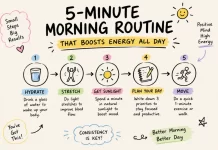
Consistency is one of the biggest hurdles when beginning any workout program. Without equipment, it’s tempting to skip sessions or perform incomplete routines. Forming a habit requires setting a fixed schedule and sticking to it daily. For instance, dedicating 20 to 30 minutes every morning or evening to exercise at home can establish a rhythm. Avoid trying to tackle intense exercises initially; instead, start with manageable routines and gradually increase intensity to build endurance and avoid burnout.
Incorporating Movement Into Your Daily Life
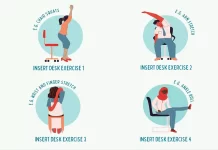
Besides planned workouts, integrating movement throughout your day helps amplify fitness progress. Simple actions like taking the stairs, stretching periodically, or using hallways for dynamic movements keep the body active and prevent stiffness. For example, the Star Wars Workout, which can be conducted in narrow spaces, allows you to stay engaged even when time or space is limited. These habits complement formal exercise and keep motivation high.
Sample Beginner Workouts Without Equipment
Full-Body Circuit
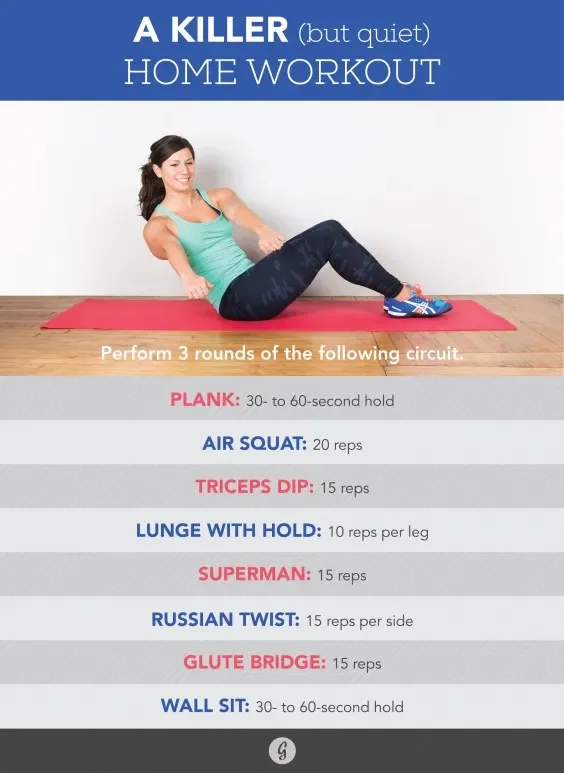
A common pitfall is neglecting warm-ups, which can increase injury risk. Start your circuit with a five-minute warm-up involving light movements such as marching in place or arm and leg swings. Follow this with bodyweight exercises performed in sequence: assisted squats, countertop push-ups, lunges, and hip extensions. Completing this circuit multiple times enhances cardiovascular fitness and muscular endurance. Gradually, as strength improves, you can add more repetitions or advanced variations like jump squats and spider-man steps.
Targeted Muscle Group Routines
To focus on specific areas without equipment, you can isolate muscle groups using bodyweight exercises. For upper body strength, practice push-ups and rows using household items such as a milk jug or similarly weighted objects with handles if you don’t have dumbbells. Target your lower body with lunges and hip extensions, ensuring proper form to protect your joints. Incorporate core exercises like planks and leg lifts to build stability. Remember to adjust difficulty progressively to avoid plateauing or injury.
Essential Tips to Stay Motivated and Avoid Injury
Tracking Progress at Home
Without professional supervision, it’s easy to lose sight of progress when working out at home. Keeping a simple workout journal or using fitness apps helps monitor improvements and maintains motivation. Recording repetitions, sets, and feelings after each session clarifies what works and identifies when it’s time to increase intensity. This practice also helps prevent the mistake of not progressing workouts gradually, which can either stall improvements or cause strain.
Importance of Warm-Ups and Cool-Downs
An often overlooked aspect in home workouts is proper warm-up and cool-down routines. Skipping warm-ups can result in muscle strains, while exhausting yourself too early during warm-up defeats its purpose of preparing the body. Start with gentle movements like marching in place and assisted exercises to increase blood flow without fatigue. Similarly, cooling down with slow stretches aids recovery and prevents stiffness. Establishing these habits reduces injury risks and contributes to long-term fitness success.
Conclusion: Making At-Home Fitness a Sustainable Habit
Beginning an at-home fitness journey without equipment is both practical and rewarding. The challenges of motivation, injury prevention, and progression are manageable with thoughtful planning and consistency. By setting realistic goals, understanding effective bodyweight exercises, and developing daily habits that incorporate movement, beginners can build a solid fitness foundation. Remember to respect your body’s limits, warm up properly, and track your progress to stay motivated. Over time, these practices transform exercise from a chore into a sustainable, enjoyable lifestyle.