






Understanding the Basics of Two-Zone Cooking
What Is a Two-Zone Fire?
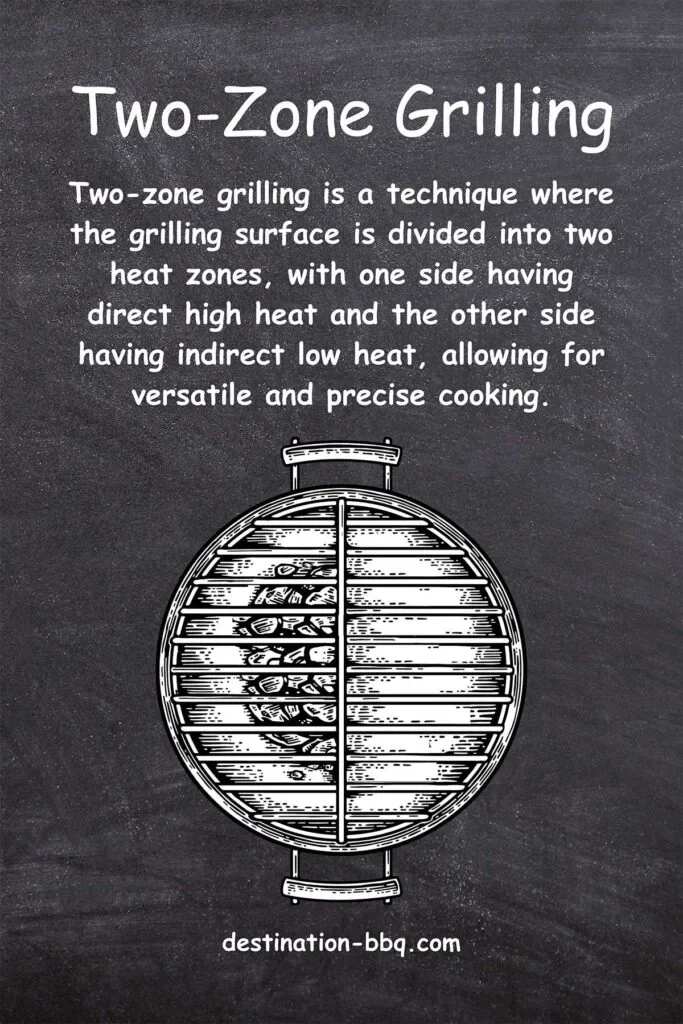
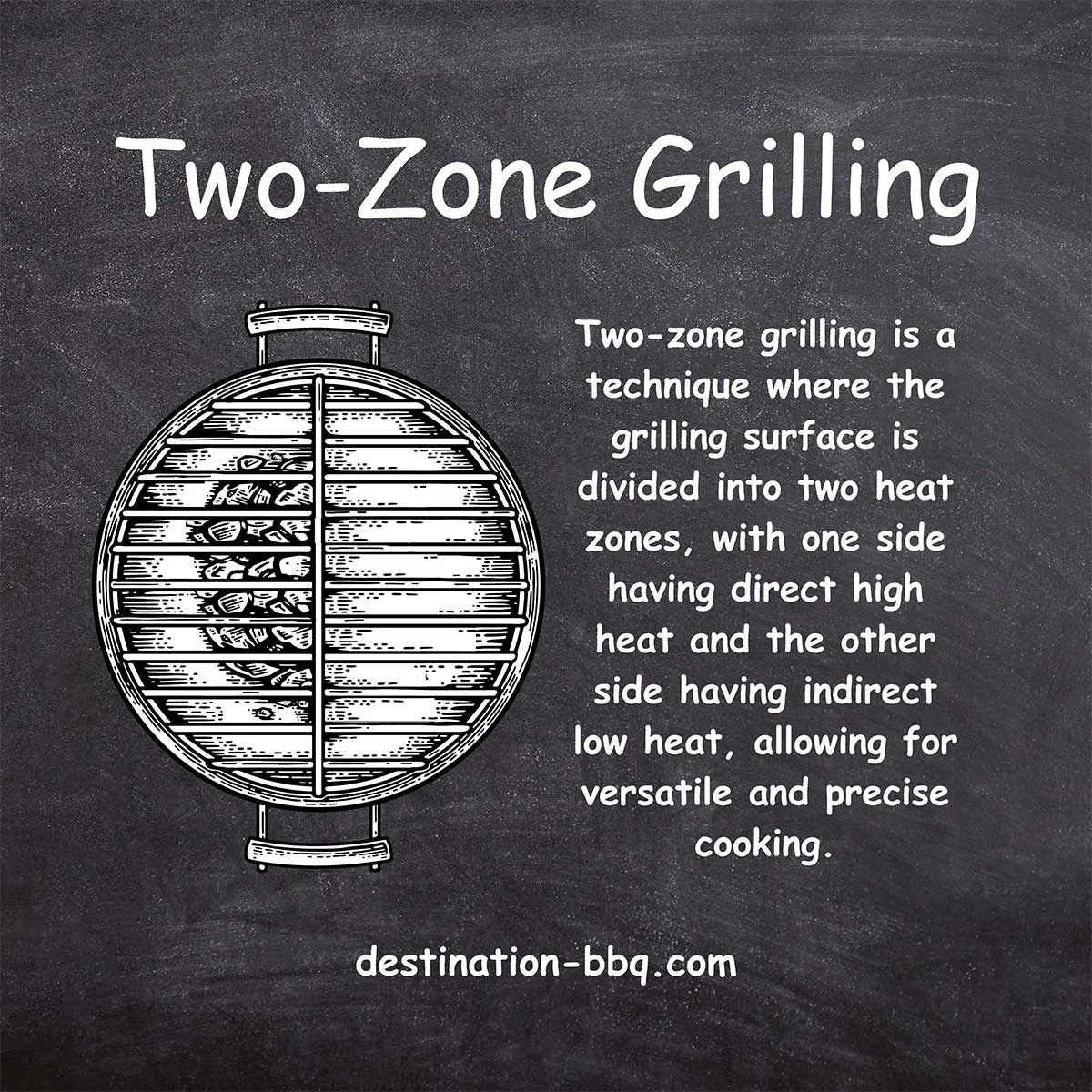
Two-zone fire is a simple yet powerful technique that transforms your gas grill into a versatile cooking tool. Rather than heating the grill evenly, you create two distinct temperature areas: one side is set to high heat for direct searing, while the other remains cooler for indirect cooking. This setup lets you move food easily between zones depending on how fast or slow it needs to cook.
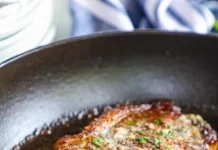
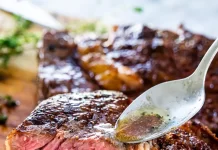
Imagine searing a steak on the hot side to lock in juices, then transferring it to the cooler zone to finish cooking without burning. This method works beautifully for many foods, giving you better control over texture and doneness.
Benefits of Two-Zone Cooking on a Gas Grill
Two-zone cooking is invaluable for anyone serious about grilling. It offers flexibility that simple single-temperature grilling can’t match. You can slow-roast delicate cuts without drying them out, or manage flare-ups by moving food away from direct flames. The technique also helps prevent overcooking and ensures even results across different ingredients.
Gas grills are uniquely suited to this because their burners can be controlled individually. That means adjusting heat takes seconds, and you can maintain consistent temperatures for longer. Plus, it keeps your cooking environment adaptable, whether you want a quick sear or a slow roast.
Preparing Your Gas Grill for Two-Zone Setup
Checking Your Grill’s Fuel Source and Burners
Before setting up two zones, start by inspecting your grill’s fuel source and burner condition. Make sure your propane tank is full or your natural gas connection is secure. A steady, reliable fuel supply is critical for maintaining even heat in both zones.
Next, check that all burners are functioning properly and producing an even flame. Inconsistent burners can cause hotspots or cold areas, which undermines the two-zone approach. If you notice weak or uneven flames, clean the burner jets or replace faulty parts to get things back on track.
Cleaning and Maintenance Before Setup
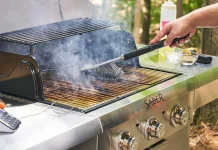
Clean grill grates and interior surfaces thoroughly before starting. Built-up grease or residue can cause flare-ups and affect heat distribution. Use a sturdy wire brush to scrape the grates, and wipe down the interior with a grill cleaner if needed. A clean grill not only performs better but also adds flavor clarity to your food.
Don’t forget to empty the drip pan to avoid grease fires. Routine maintenance keeps your grill safe and ensures the burners respond accurately when adjusting heat zones.
Step-by-Step Guide to Creating Two Zones
Turning On and Adjusting Burners
Begin by lighting your grill and turning on all burners to preheat. Close the lid and let it warm up for several minutes until the grates are hot. This initial heat-up period is crucial for a clean sear later on.
Once everything is hot, turn off one or more burners on one side of the grill. The side with active burners becomes your direct heat zone, while the side with burners off or turned to low creates your indirect heat zone. The contrast between these zones should be obvious within a few minutes.
How to Arrange the Heat Zones for Optimal Cooking
Arrange your food based on the zones. Place items that need high temperature and quick searing directly over the lit burners. Foods that require gentle cooking or slow roasting go on the unlit side. The middle area of the grill often offers a gradient of heat, perfect for finishing or keeping items warm.
Remember to close the lid when possible to maintain consistent temperatures. This also creates an oven-like environment, making the indirect zone a fantastic place for slow cooking larger cuts or baking on the grill during hot months, which keeps your kitchen cool.
Cooking Techniques Using a Two-Zone Fire
Direct vs Indirect Cooking Explained
Direct cooking involves placing food right over the flame or heat source. This is ideal for fast cooking and achieving a crispy, caramelized exterior—think burgers, steaks, or vegetables. Indirect cooking places food away from direct heat, suitable for slow roasting, smoking, or cooking delicate items that might burn over open flame.
Two-zone grilling essentially lets you combine these methods on one grill. You can sear first on the hot side and then transfer to the cooler side to finish cooking thoroughly without charring.
Best Foods for Each Zone
High heat zones are perfect for steaks, chicken breasts, and quick-cooking vegetables that benefit from a sear. If you’re grilling sausages or thin fish fillets, this zone gives you those classic grill marks and smoky flavor quickly.
The indirect, cooler zone excels with thicker cuts like ribs, whole chickens, or pork shoulders. It’s also great for baked potatoes or roasting vegetables slowly to develop their sweetness. The gradual heat ensures these foods cook evenly without drying out.
Advanced Tips for Mastering Two-Zone Grilling
Using Accessories to Enhance Heat Control
Consider adding accessories like heat deflectors, grill stones, or ceramic briquettes to improve heat retention and distribution between zones. These tools help create more even indirect heat and prevent temperature spikes.
For charcoal enthusiasts, methods like using a tumbleweed as a charcoal starter can light your coals quickly and evenly, allowing you to set up a two-zone fire with hot coals on one side and none on the other. Though this article focuses on gas, the principle is similar when adapting techniques.
Managing Flare-Ups and Temperature Spikes
Flare-ups are a common grilling issue, especially with fatty cuts. Two-zone cooking reduces this risk because you can quickly move food to the cool side when flames flare up. Keeping a spray bottle of water nearby also helps tame sudden bursts of fire.
Maintaining the lid closed as much as possible helps keep temps steady. Opening it frequently releases heat and can cause temperature swings, which disrupt cooking times.
Troubleshooting Common Issues
Uneven Heat Distribution Solutions
If you notice hotspots or cold zones that don’t seem to match your set burner arrangement, check for clogged burner ports or grease buildup obstructing flames. Cleaning and carefully adjusting burner control knobs often fix uneven heating.
Rechecking your grill’s placement can also help; grills positioned in windy or exposed locations might experience uneven heat. Shielding your grill or moving it to a more protected spot ensures better consistency.
When to Adjust Burner Settings
Temperature needs can change as your food cooks. If something is browning too fast or not cooking through, use the adjustable burners to fine-tune heat levels. For example, turning down the direct burner after searing allows the grill to maintain heat without burning your food.
Conversely, if you need to ramp up heat for additional searing, increase the burner output temporarily. Mastery of two-zone grilling comes with practice and responsiveness to how your food reacts on the grill.