

















Understanding Smoke in a Kamado Smoker
The Role of Smoke in Meat Flavor and Texture
When John first fired up his kamado smoker, he was eager to infuse his ribs with that rich, smoky flavor he’d tasted at his favorite barbecue joint. Smoke isn’t just a fragrance; it’s a crucial element that influences both the flavor and texture of the meat. The compounds in smoke penetrate the meat and break down proteins and fats, creating that tender, juicy bite everyone craves. But getting the right amount of smoke is a delicate balance; too much can yield bitterness, while too little leaves the meat flavor flat.

Types of Smoke and Their Impact on Cooking
There’s more to smoke than meets the eye. White, thin smoke often signals incomplete combustion, leading to harsh, acrid flavors. Blue or light, almost invisible smoke, on the other hand, indicates clean burning and is the hallmark of well-managed smoking. Thick, white smoke can coat meat with a bitter taste and gritty texture. Experienced pitmasters learn to recognize these signals early and adjust airflow or fuel to maintain that perfect, gentle smoke that produces subtle but deeply satisfying flavors.
Common Challenges with Smoke Control
Smoke management is tricky, especially for newcomers. Opening the lid repeatedly to check progress often causes temperature swings and disrupts airflow, leading to uneven smoke or flare-ups. Using low-quality charcoal or damp wood can create excessive smoke or unwanted creosote buildup. Without proper vent adjustments, smoke can become suffocating inside the kamado, or it may leak out too quickly, preventing the meat from absorbing enough flavor. Recognizing and mastering these variables is key to consistent, delicious results.
Essential Components in a Kamado Smoker Affecting Smoke
Air Vents and Their Functionality
A kamado smoker’s air vents are like its lungs. The bottom vent controls the intake of oxygen, feeding the fire, while the top vent manages smoke and heat exhaust. When Mike first cooked brisket, he learned the importance of fine-tuning these vents to maintain a slow, steady burn. Too much air causes rapid burning and thick white smoke, while too little suffocates the fire, producing a thin, weak smoke that won’t flavor the meat adequately. Mastering these vents means balancing oxygen to maintain consistent temperature and smoke quality.
Charcoal Choices for Smoke Production
Charcoal quality plays a pivotal role in smoke quality. Lump charcoal, made from hardwood, tends to burn cleaner and produces less ash, allowing for more efficient airflow. Briquettes often contain fillers and binders that can generate off-flavors and unpredictable smoke. Emma, an avid kamado user, swears by natural lump charcoal, citing its consistent burn and the subtle, sweet smoke it produces compared to commercial briquettes. Choosing the right charcoal ensures the smoke is flavorful and free of unpleasant bitterness.
The Importance of Water Pans and Heat Deflectors
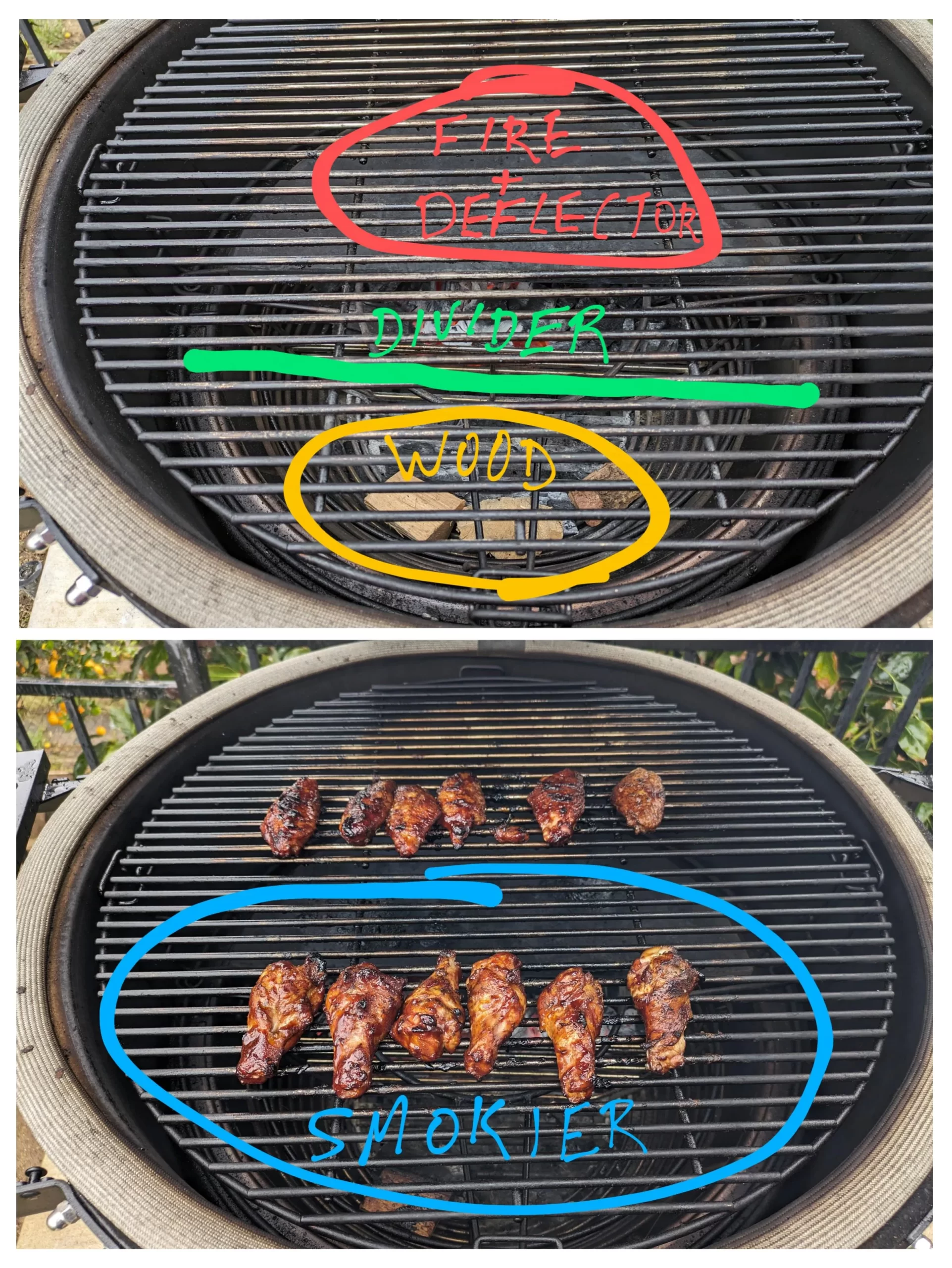
Heat deflectors and water pans aren’t just for temperature control; they influence smoke behavior and moisture. Using a water pan adds humidity inside the kamado, preventing the meat surface from drying out and helping smoke particles linger on the meat. Heat deflectors create indirect heat zones, allowing the smoke to flow evenly around the meat rather than burning it directly. When Sarah added a ceramic heat deflector and a water pan, she noticed a smoother, more even smoke flavor penetrating her pulled pork, resulting in tender, moist meat every time.
Step-by-Step Guide to Managing Smoke Levels
Preparation Before Lighting the Kamado
Before lighting, it’s essential to prepare your kamado properly. Clear out any cold ash from previous cooks to improve airflow, and select well-seasoned hardwood to accompany your lump charcoal. Jack, who often smokes overnight, starts by ensuring his vents are clean and functional, and he arranges charcoal to create a solid ember bed for a consistent slow burn. Preparation like this sets the foundation for predictable smoke output and even cooking throughout the process.
Adjusting Top and Bottom Vents for Optimal Smoke Flow
Once lit, control begins with the vents. Open the bottom vent moderately to encourage slow combustion, and adjust the top vent to let smoke escape at a gentle pace. Over time, most kamado users learn to “read” the smoke releasing from the top vent. Thin, bluish smoke is ideal — it means the fire is clean and the smoke is flavorful. If you see thick white smoke billowing out, it’s a sign to slightly open the top vent or reduce fuel to improve combustion. This precise balancing act requires patience but yields spectacular results.
Monitoring Smoke Color and Density
Keeping a close eye on smoke color and density throughout the cook offers real-time clues about fire health. Thin, almost invisible smoke—as Tom discovered during his brisket cook—is actually preferable to dense plumes. That delicate smoke bathes the meat gently, producing a refined flavor without masking the rub or the meat’s natural juices. If the smoke suddenly thickens, take it as a prompt to check the vents and fuel; ignoring these signs can quickly lead to bitter or overly smoky meat.
Advanced Techniques for Smoke Control
Using Smoke Tubes and Wood Chunks Effectively
Once you’ve mastered basic airflow, adding wood chunks or using a smoke tube can elevate your flavor game. Wood chunks offer longer burn times and a steadier smoke output than chips, which often burn out rapidly. Lisa learned that placing soaked wood chunks near the charcoal—not directly on it—produced slow, flavorful smoke without flare-ups. Smoke tubes, meanwhile, allow for controlled smoke introduction without disturbing the fire, ideal for long smokes like pork shoulder. Experimenting with different hardwoods like apple, hickory, or cherry helps develop your signature flavor profile.
Temperature Management to Balance Smoke Output
Temperature and smoke production go hand-in-hand. If the fire runs too hot, smoke becomes thin and fleeting, risking dry meat that lacks deep smoke flavor. Too cool, and incomplete combustion creates thick, bitter smoke. Ken recalls a cook where his temperature dropped below 200°F, resulting in white smoke and a bitter bark on his ribs. He adjusted the vents carefully to stabilize the range between 225°F and 275°F, the sweet spot where smoke lingers and meat breaks down perfectly.
Timing Smoke Application During Different Cooking Phases
The phase during which you apply smoke can transform the final product. Early in a long smoke, allowing steady smoke absorption enhances bark formation and flavor depth. However, adding meat during thick white smoke is a rookie mistake that often ruins the first layer of flavor. Later in the cook, smoke can be reduced to avoid overpowering delicate flavors as the meat finishes rendering fat and collagen. Experienced smokers plan their smoke exposure to match the stage of cooking, creating a nuanced balance in the final texture and taste.
Troubleshooting Common Smoke Issues
Excessive Smoke: Causes and Fixes
Excess smoke is usually due to poor airflow, use of wet or green wood, or overloading the firebox with fuel. When Mark first encountered thick white smoke, it coated his meat in creosote, tasting bitter and unpleasant. Opening the top vent slightly and reducing the bottom vent intake calmed the fire and cleared the smoke. Regular cleaning of ash and avoiding flooding the fire with excessive wood also prevented smoke overload. Recognizing excessive smoke early allows you to make quick adjustments before the meat is compromised.
Insufficient Smoke and Bland Meat Texture
Conversely, too little smoke often arises from too much airflow or overly hot fires that burn smoke off too quickly. Jill noticed her smoked chicken lacked that classic bark and flavor. After adjusting vents to slow the burn and adding smoked wood chunks, the flavor profile deepened markedly. Patience is key; trust the process even if smoke is thin and nearly invisible—that’s the ideal smoke. Over time, you’ll learn to strike a balance that gives your meat just the right amount of smoke flavor.
Dealing with Unpleasant or Bitter Smoke

Bitter smoke is often the result of burning resinous wood, dirty charcoal, or incomplete combustion from poor vent management. Using hardwoods like pine or cedar can cause off-flavors. Tony once used pine chunks during a cook and quickly abandoned the meat due to the harsh smoke taste. Cleaning the grill regularly, selecting proper fuel, and ensuring good airflow will minimize unpleasant smoke. Experimenting with different woods and fuel quality is essential to avoid bitterness and refine your smoke flavor.
Maximizing Meat Texture Through Precise Smoke Management
Correlation Between Smoke Duration and Meat Tenderness
Smoke duration impacts not only flavor but texture. Slow, prolonged smoking allows collagen in tougher cuts to break down gradually, yielding tender, juicy results. Overnight smokers like Rachel find that controlling smoke levels is an exercise in confidence—maintaining a consistent temperature and gentle smoke throughout 8 to 12 hours transforms brisket into a melt-in-your-mouth experience. Rushing or fluctuating smoke can dry out meat or leave it tough and stringy.
Combining Smoke with Moisture Control
Moisture and smoke go hand in hand. Without sufficient humidity, the meat surface can dry, causing smoke to adhere unevenly and potentially toughening the outer bark. Using a water pan inside the kamado increases humidity levels, ensuring meat remains moist and smoke flavors penetrate more deeply. Justin discovered that the subtle moisture boost from a water pan protected his ribs during a 10-hour smoke, producing a supple interior with a rich, smoky crust.
Best Practices for Resting Meat After Smoking
After hours of slow smoking, resting your meat is essential to lock in juices and flavors. Smoke continues to develop even off the heat, marrying with the meat’s natural moisture. Many beginners, like Olivia, attempt to cut immediately and lose valuable tenderness. Wrapping the meat in foil or butcher paper and resting it for at least 30 minutes allows the smoke to fully integrate, resulting in perfectly textured and flavorful bites. This final step completes the smoke journey, ensuring every slice delights.