




















Understanding the Need for Thickening Vegetable Soup
Common Reasons to Avoid Flour and Cream
Many people prefer to skip traditional flour or cream when thickening vegetable soup. Allergies, dietary restrictions, or simply wanting a lighter and more wholesome meal often drive this choice. Flour can sometimes add a pasty texture or mask the fresh flavors of vegetables. Cream, while rich and smooth, introduces dairy and extra calories that aren’t suitable for vegan diets or those avoiding lactose. So, finding alternative ways to achieve that satisfying thickness is both practical and appealing.
Benefits of Alternative Thickening Methods
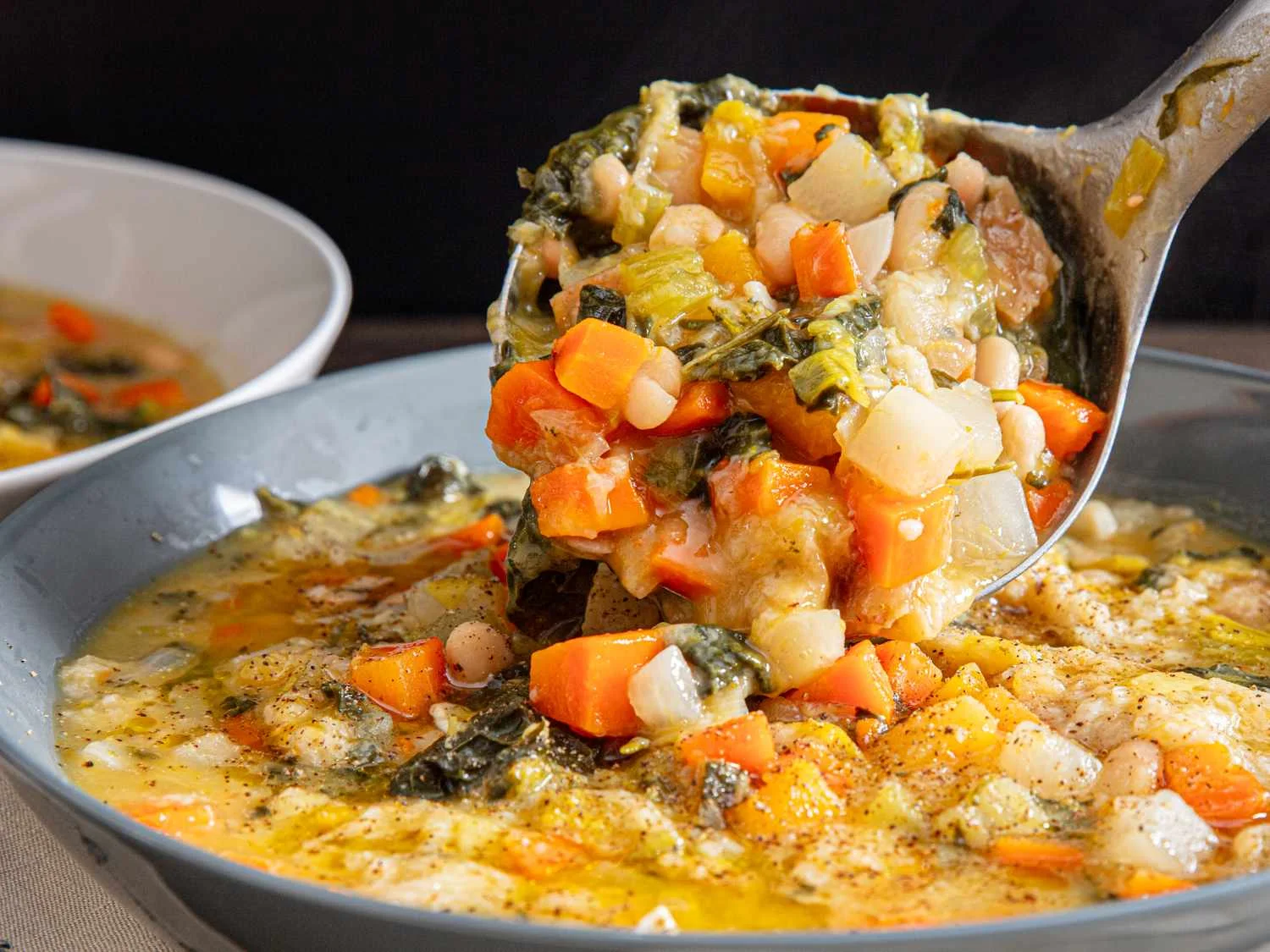
Opting for natural thickeners not only keeps your soup healthier but often enhances its flavor and nutritional profile. Instead of masking the ingredients, these methods bring out the inherent creaminess and body of the vegetables and legumes used. Plus, these options tend to provide added fiber, vitamins, and minerals, turning a simple soup into a nourishing dish. Using alternatives also means you can tailor your soup’s texture and taste precisely to your liking, avoiding the heaviness that cream or flour might cause.
Natural Ingredients That Enhance Thickness
Using Starchy Vegetables Effectively
Starchy vegetables like potatoes, sweet potatoes, and squash naturally lend themselves to thickening soups. When cooked until tender, their starches release and create a pleasant, velvety consistency. Especially useful is blending some of these cooked vegetables back into the soup, which transforms the texture without the need for artificial thickeners. The key is to cook them long enough so that they break down gently but not overly mashy, which helps maintain a smooth mouthfeel.
Incorporating Legumes for Body and Nutrition
Legumes such as lentils, chickpeas, and white beans are excellent for adding substance to your soup. As they cook, they soften and release starch, helping to thicken the broth naturally. Beyond texture, they boost the protein and fiber content, making your soup more filling and balanced. Pureeing part of the legumes with some broth and stirring it back in can seamlessly thicken the soup without changing the flavor drastically.
Utilizing Pureed Vegetables as a Thickener
Pureeing cooked vegetables is a fantastic way to add thickness while keeping flavors fresh and vibrant. Vegetables like carrots, cauliflower, and zucchini work wonderfully when blended into the soup base. This method doesn’t just thicken but also creates a silky smooth texture that makes each spoonful luxurious. For extra creaminess without dairy, silken tofu blended with the soup can enhance the body while maintaining a gentle taste.
Techniques to Thicken Soup Without Dairy or Flour
Reduction Method: Concentrating Flavors and Texture
One straightforward technique is simmering the soup uncovered to reduce the liquid content. As the water evaporates, the soup becomes naturally thicker and the flavors concentrate. This approach intensifies the taste, making the soup richer without adding any extra ingredients. However, it requires patience and careful attention to avoid burning or drying out the soup, especially towards the end of the cooking process.
Blending and Mashing Parts of the Soup

Another popular method is to remove a portion of the cooked vegetables and legumes from the pot, mash or puree them, then stir them back in. This instantly adds thickness without any added fats or starches. For smoother soups, blending cooked starches with some soup liquid before returning it can create a creamy consistency reminiscent of traditional cream-based soups. This technique also allows you to control the texture, balancing between chunky and velvety as you prefer.
Adding Nut Butters and Seeds for Creaminess
Nut and seed butters, like cashew or tahini, offer an excellent way to thicken soup while lending a subtle nutty flavor. They complement the earthy base of vegetable soups beautifully. It’s important to add them toward the end of cooking and keep the heat low since cashew cream, for example, can separate or become lumpy if overheated. These add-ins also introduce healthy fats and proteins, enriching the nutritional profile of your soup.
Creative Add-Ins to Boost Soup Consistency
Inclusion of Grains like Rice or Quinoa
Cooked grains such as rice or quinoa can serve double duty in your soup: they add texture and thicken the broth naturally. When simmered long enough, these grains release starches into the liquid, gently enhancing the body of the soup. This works especially well in heartier vegetable soups where a bit of chewiness is welcome. Plus, grains bump up the carbohydrate content, keeping the soup more satisfying and energy-packed.
Using Vegetable Powders or Broth Concentrates
Vegetable powders and broth concentrates are handy pantry staples to intensify flavor and subtly improve texture without extra liquid. These concentrated forms infuse the soup with umami and depth, creating the sensation of richness. While they don’t thicken on their own, combining them with other natural thickeners amplifies the overall impression of a hearty, well-rounded soup.
Tips for Maintaining Flavor While Thickening
Balancing Thickness and Taste
Thickening is valuable, but it’s crucial to keep the soup’s flavor balanced. Sometimes the thickening agents can dull brightness or alter the taste. That’s why tasting periodically during thickening is important. Adjusting seasoning gradually and avoiding overpowering thickeners ensures the authentic flavors of your vegetables and herbs shine through. Remember, the goal is to enhance texture without sacrificing the soup’s delicious character.
Spices and Herbs to Complement Thickened Soups
To round out the flavor profile of a thickened vegetable soup, spices and herbs become especially important. Earthy spices like cumin, smoked paprika, or turmeric work beautifully with thick bases. Fresh herbs such as parsley, thyme, or basil provide a lift, brightening the palate and balancing richness. Incorporating aromatics early on builds complexity, while finishing with fresh herbs adds freshness that keeps the soup vibrant despite its creamy body.