





















Introduction to Meal Prep Chicken Soup
Benefits of Preparing Chicken Soup in Advance
Meal prepping has become a game-changer for busy individuals who want to eat healthy without sacrificing time. Chicken soup is an excellent candidate for meal prep because it’s nourishing, versatile, and tends to taste even better as flavors meld over time. Preparing chicken soup in advance means you’ll have a comforting, homemade meal ready to go whenever hunger strikes—no last-minute cooking required.
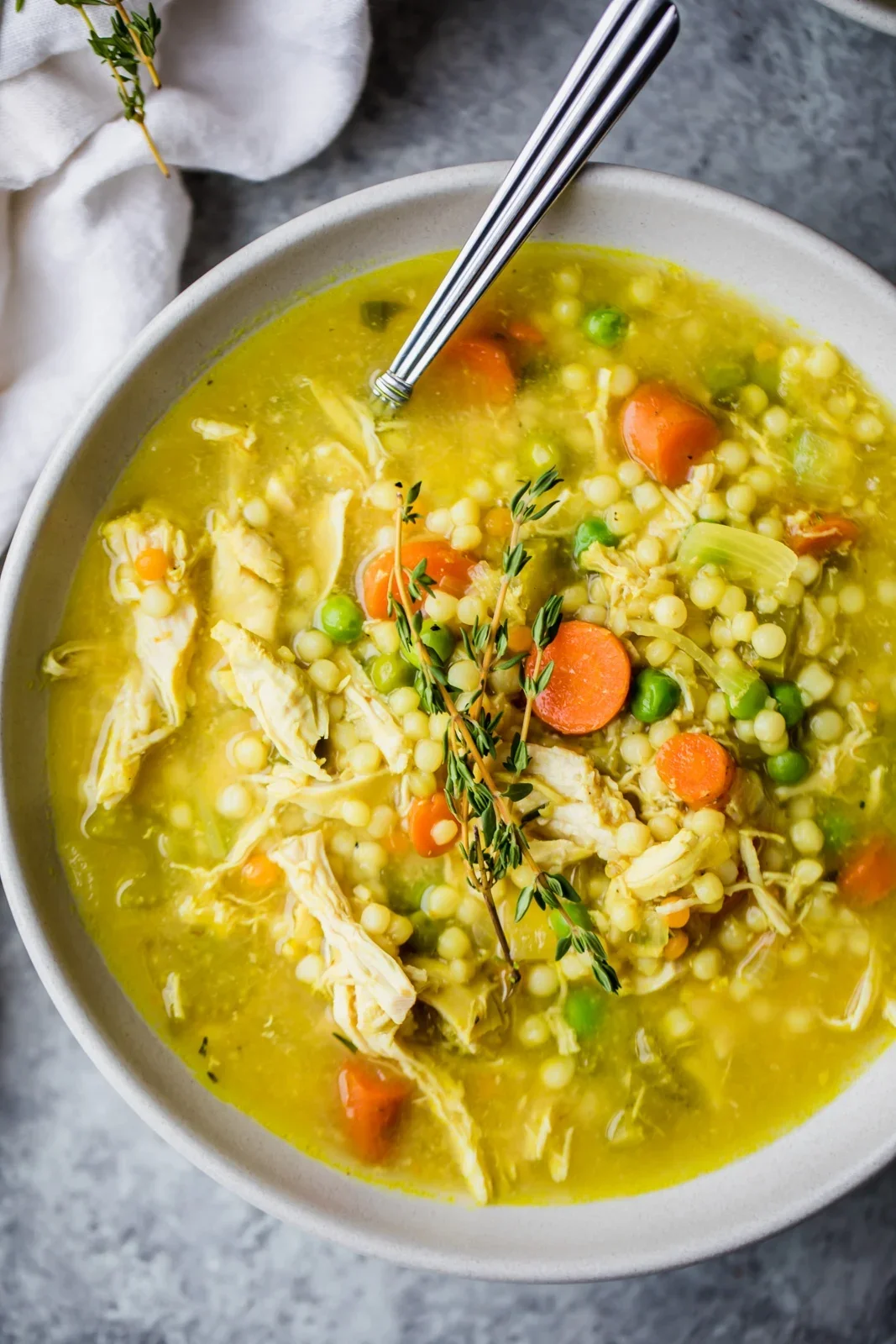
Furthermore, having chicken soup on hand can save money and reduce food waste by allowing you to use leftover ingredients efficiently. It’s a simple way to ensure balanced meals throughout the week, providing protein, vegetables, and warming broth all in one bowl.
Common Challenges with Soup Freshness
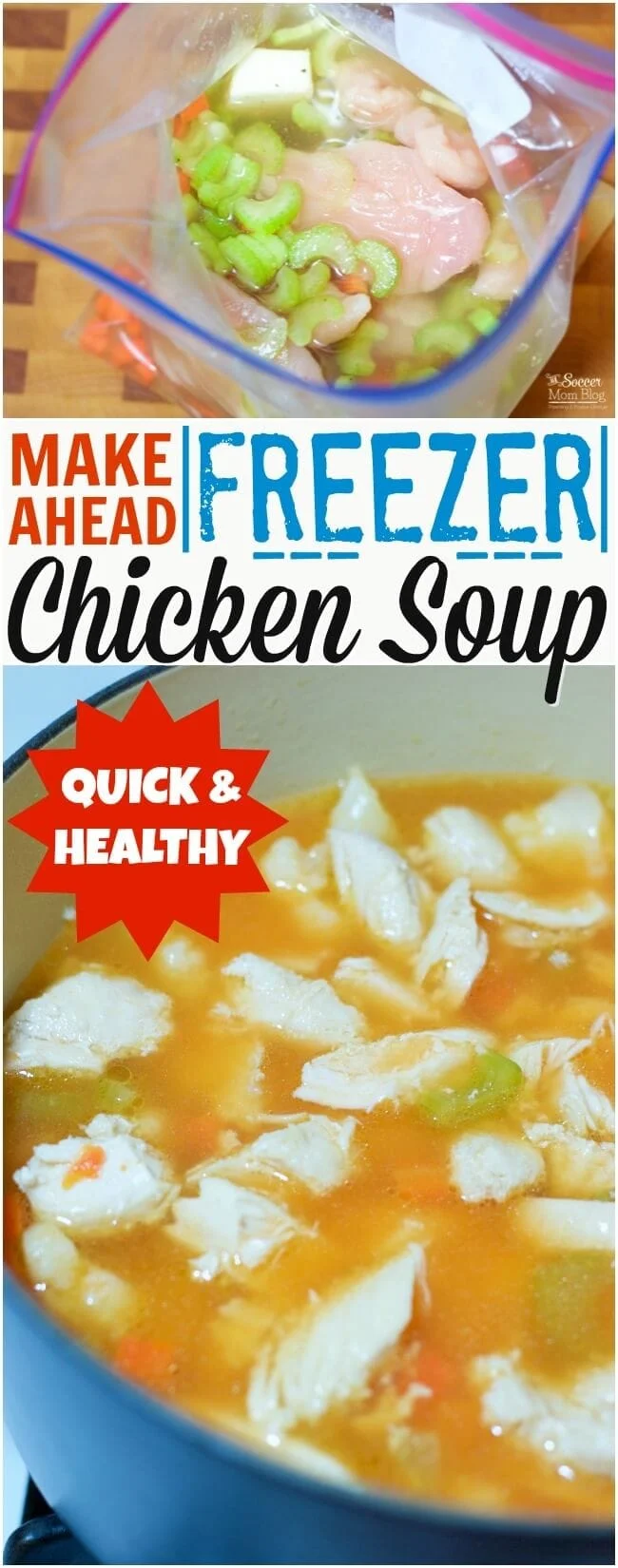
One of the biggest hurdles when making chicken soup ahead is keeping it fresh. Over several days, soups can lose their vibrant flavor or develop unwanted textures. Vegetables may become mushy, and the broth can sometimes turn cloudy or bland. Additionally, improper storage can lead to freezer burn or spoilage, which ruins the effort put into the meal prep.
Understanding how to preserve the taste and texture of your soup is key to ensuring it stays enjoyable from the first serving to the last. Proper cooking, cooling, and storing techniques all play a part in overcoming these challenges.
Essential Ingredients for Long-Lasting Flavor
Choosing the Best Chicken Cuts
The chicken you choose will greatly impact both flavor and texture over the week. Bone-in, skin-on chicken thighs are often preferred for their rich taste and moisture retention. The bones add depth to the broth during cooking, while the skin helps keep the meat tender. Alternatively, boneless chicken breasts work well for a leaner option, though they can dry out if cooked too long.
Slow-cooked chicken tends to break down beautifully, infusing the soup with savory goodness, so consider simmering the meat gently to maintain juiciness. Removing skin after cooking can reduce excess fat while preserving flavor.
Vegetables and Herbs That Preserve Well
Choosing vegetables that hold up through reheating is crucial. Carrots, celery, and onions are classic soup staples because they maintain texture and add natural sweetness and brightness. Carrots add a subtle, pleasant sweetness; celery offers a fresh herbal note; and onions bring a comforting depth. These ingredients also meld well with herbs like fresh thyme or oregano, which enhance the aromatic profile without overpowering.
Fresh herbs tend to offer a more vibrant flavor compared to dried varieties and can make a noticeable difference when eaten days later. Adding fresh chopped parsley just before serving can also brighten the dish with a pop of color and freshness.
Broth Options and Their Impact on Freshness
The base of your soup—the broth—plays a pivotal role in both flavor and how the soup ages during the week. Homemade chicken broth or stock usually provides the best taste and richness, but store-bought broths can also work well if you choose a quality brand without excessive additives.
Some broths contain preservatives or high sodium levels, which might affect how the soup holds up in the fridge. Bone broth or broth with gelatin tends to give the soup a nice body and mouthfeel that stands up to reheating better. Avoid watery or overly salty broths, as these can mask the soup’s natural flavors over time.
Step-by-Step Guide to Making Your Chicken Soup
Prepping Ingredients for Maximum Flavor
Start by chopping your vegetables into uniform pieces to ensure even cooking. Breaking spaghetti into smaller pieces is a clever trick to mimic classic noodle styles while making portioning easier. If you’re doubling your recipe, remember to add extra cooking time to let all the flavors fully develop.
For herbs, use fresh thyme or oregano sprigs instead of dried, as their essential oils bring a liveliness during cooking and later reheats. Adding a few cubes of pesto toward the end can infuse the soup with an exciting herby dimension, while a pinch of red pepper flakes or a dash of hot sauce can wake up the flavor if you like a bit of heat.
Cooking Techniques to Enhance Longevity
Simmer your soup gently rather than boiling vigorously. Slow cooking allows flavors to blend without breaking down ingredients too aggressively, which helps vegetables retain some texture. Cooking with the lid partially on helps control evaporation, maintaining moisture but preventing the soup from getting too watery or concentrated.
Removing the chicken from the pot before shredding prevents overcooking and allows you to discard any unwanted bits such as bones or skin. Return the shredded meat to the pot afterward. This step helps keep the soup’s texture pleasant throughout the week.
Cooling and Storage Best Practices
Once cooked, cool your soup quickly by transferring it to shallow containers and placing them uncovered in the fridge. This reduces the time food spends in the temperature danger zone where bacteria can grow. After it has cooled, seal the containers well.
Labeling your containers with the date clearly marks when the soup was prepared, helping you monitor freshness. Use airtight containers or freezer-safe bags to prevent freezer burn if freezing. Using specialized containers like SouperCubes can protect the soup even further by reducing exposure to air.
Storage Solutions: Keeping Soup Fresh All Week
Proper Containers and Labeling
Choosing the right storage container is crucial. Glass or BPA-free plastic containers that seal tightly prevent spills and minimize air exposure, which is the enemy of freshness. Dividing soup into meal-sized portions not only saves space but makes reheating more convenient.
Be consistent with labeling to avoid confusion. Note the preparation date and any reheating instructions—this simple habit helps you manage your meals and avoid consuming soup past its safe window.
Freezing vs Refrigeration: Pros and Cons
Refrigerating soup is great if you plan to consume it within 3 to 4 days. It keeps flavors bright and textures intact with minimal effort. However, some delicate vegetables may soften over time, and the broth can slightly cloud.
Freezing is your best bet for longer storage. It locks in flavor and prevents spoilage for up to 3 months if done correctly. The key downside is the potential for freezer burn and texture changes, especially with starchy noodles or some vegetables. Using SouperCubes or other protective containers minimizes this risk.
Reheating Tips to Retain Taste and Texture
When reheating, avoid boiling the soup again as it can break down ingredients and dull the flavor. Instead, warm it gently over medium heat or use a microwave with short bursts, stirring frequently. Adding fresh chopped parsley just before serving or a splash of fresh broth can refresh the soup’s aroma and taste.
If the soup has thickened too much in storage, thin it out with a little water or broth rather than cooking it longer. This method keeps the balance of flavors intact.
Creative Variations to Keep Your Meals Exciting
Add-Ins to Change Up the Flavor Profile
Once you master the base chicken soup, experiment with creative add-ins that can transform your bowl without much effort. Pesto cubes bring a bold punch of basil and garlic, while sprinkling red pepper flakes or a drop of your favorite hot sauce introduces welcome heat. Other ideas include stir-ins like spinach or kale added at the end for extra greens or a squeeze of lemon juice to brighten the broth.
Breaking spaghetti noodles into smaller pieces as mentioned earlier adds a nostalgic touch and changes the soup’s mouthfeel for those craving variety during the week.
Pairing Your Soup with Complementary Sides
Chicken soup pairs wonderfully with simple sides that can round out your meal. Think crusty bread or garlic toast for dipping, a side salad for freshness, or roasted vegetables for a heartier plate. Having a few go-to side ideas keeps your weekly meals from feeling repetitive and adds extra nutrition.
These small touches elevate the meal prep experience without demanding additional cooking time, making your busy week easier and tastier.
Conclusion: Mastering Your Weekly Chicken Soup Prep
Making chicken soup that stays fresh throughout the week is more than just following a recipe—it’s about understanding your ingredients, cooking methods, and storage strategies. Selecting the right chicken cuts, using fresh herbs and sturdy vegetables, and caring for your broth set a strong foundation. Gentle cooking, rapid cooling, and proper container choices ensure your soup retains flavor and texture days later.
Add a bit of creativity with flavorful add-ins and thoughtful accompaniments to keep your meals exciting. With these tips in hand, you can confidently prepare chicken soup in advance, enjoying its comforting warmth anytime without the hassle.
Master the art of meal prep chicken soup and bring healthy, delicious nourishment to your week effortlessly.