



















Understanding Budget Airline Baggage Policies
Common Restrictions and Charges
Budget airlines often place strict limits on baggage to keep costs low. Usually, passengers receive a small carry-on allowance but pay extra for checked bags or larger carry-ons. Fees can vary widely, sometimes catching travelers off guard if their bags exceed size or weight limits. Understanding these policies is crucial to avoid unexpected charges.
How to Find the Latest Baggage Rules
Baggage policies may change frequently, especially with budget carriers. The best source is the airline’s official website where the latest restrictions and fees are posted. Checking before booking or packing ensures compliance. Some airlines also provide size guides and weight limits that help travelers select appropriate luggage.
Strategic Packing Techniques to Stay Under the Limit
Choosing the Right Luggage Size
Selecting a carry-on that meets airline size guidelines is vital. Many U.S. budget airlines recommend dimensions around 22x14x9 inches. Opting for hard-shell suitcases offers better protection but soft-shell bags can expand slightly for extra space. Knowing your flight’s specific restrictions helps you avoid gate fees for oversized bags.
Roll vs. Fold: What Saves More Space?
Rolling clothes tightly often saves more space than folding, reducing wrinkles and making items compact. This method allows you to fit more in limited space, a big advantage when sticking to a carry-on. However, for delicate fabrics, folding may prevent damage, so balance your method based on your clothing type.
Utilizing Compression Bags Effectively
Compression bags can significantly reduce volume by removing air from clothes. They’re especially useful for bulky items like sweaters or jackets. Using these bags allows packing more efficiently and helps keep items organized. Just be mindful that overstuffing compression bags might add unnecessary weight.
Smart Weight Management Tips
Weighing Your Bag Before You Leave
Always weigh your luggage at home. Portable scales are affordable and help avoid surprises at the airport. If your bag exceeds the weight limit, you have time to rearrange or remove items rather than paying hefty overweight fees at check-in.
Redistributing Weight Between Bags
If traveling with multiple bags, balance weight by shifting heavier items into the carry-on if allowed. Spreading weight evenly avoids one bag being overweight. This strategy also makes it easier to move quickly, especially when transitioning through multiple stops.
Clothing and Accessories Hacks
Wear Your Bulkiest Items Onboard
Wearing heavy jackets and boots during travel frees valuable luggage space. This approach reduces packed volume and weight, helping stay within limits while keeping you comfortable during the flight.
Multipurpose Clothing for Minimalism
Choosing versatile garments that can serve multiple functions cuts down on what you need to pack. Items like convertible pants or jacket liners simplify outfits and reduce baggage. A minimalist wardrobe tailored to your trip’s climate is key.
Accessories That Double as Storage
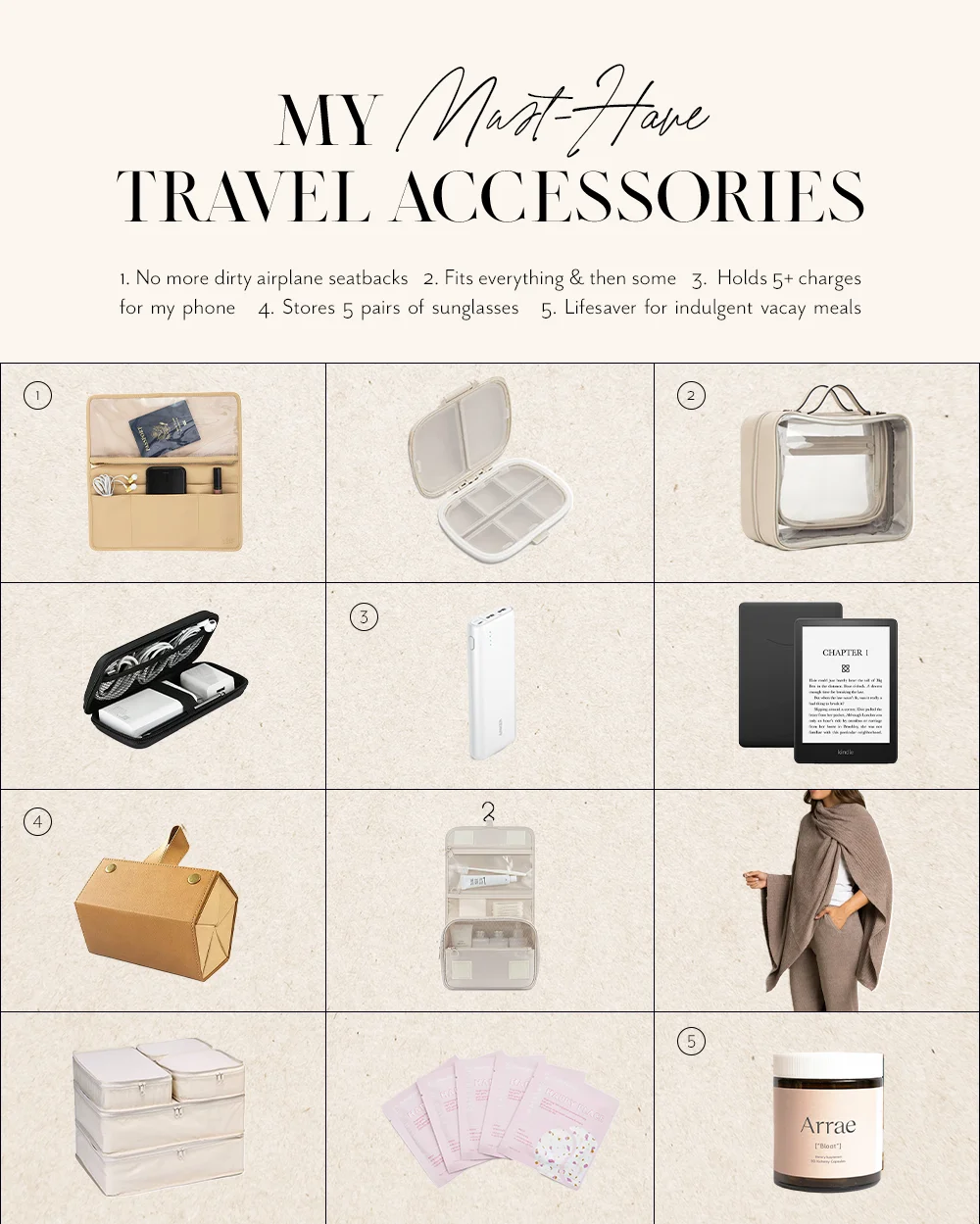
Consider accessories such as scarves or large pouches that can also hold small items. This adds utility without extra baggage. Using travel organizers inside your luggage helps keep essentials accessible and compact.
Leveraging Carry-On Allowances
What Can Go Into Your Carry-On?
Carry-ons typically include essentials like a small suitcase or backpack and a personal item such as a purse or laptop bag. Familiarize yourself with what’s allowed so you can maximize space. Many travelers succeed by packing carefully to avoid checked bag fees entirely.
Personal Item Strategies to Maximize Space
Your personal item is an opportunity to carry more without extra charges. Choose bags that fit under the seat but are roomy enough for documents, electronics, and small clothing items. Layering smaller bags inside one another or using compression pouches enhances organization.
Additional Tips for Avoiding Unexpected Fees
Booking Bundles with Included Baggage
Some budget airlines offer fare bundles that include checked baggage at a lower price than paying for bags separately. If your trip requires more luggage, these bundles can be more economical and convenient.
Checking In Early to Save Costs
Early check-in might provide discounts or better options for baggage fees. Arriving late often means paying higher fees at the airport. Planning ahead and completing check-in online ensures you control your baggage expenses.