


















Understanding Lightweight Fabrics for Spring
Common Types of Lightweight Fabrics
When spring arrives, the shift to lighter fabrics feels refreshing after the heavy layers of winter. Cotton, linen, and chambray are among the most popular lightweight materials. Cotton offers breathability and softness, making it perfect for base layers. Linen, with its natural fibers, boasts excellent ventilation and a slightly textured look that suits casual and semi-formal wear. Chambray resembles denim but is lighter, making it a stylish choice for shirts and dresses that are warm but airy.
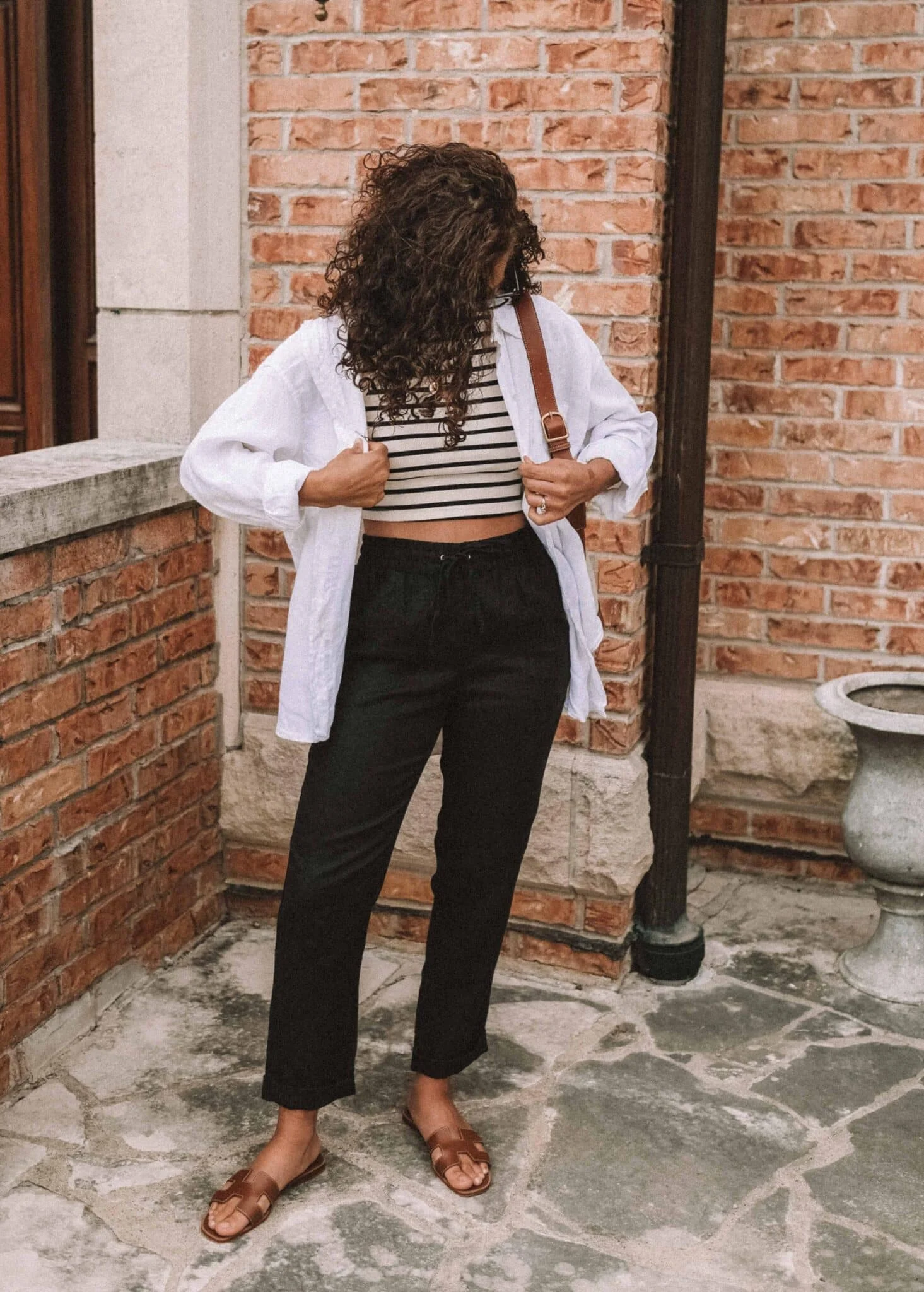
Other options include silk blends and lightweight wool, which add softness and warmth without bulk. These fabrics ensure you stay comfortable as temperatures fluctuate throughout the day.
Benefits of Choosing Lightweight Materials
Lightweight fabrics are key to staying comfortable during spring because they allow air circulation while still providing coverage. They help prevent overheating by wicking away moisture and drying quickly, which is crucial during those warm mornings that turn into breezy afternoons. The inherent softness and flexibility of these materials also make layering easier without feeling constrictive.
Another advantage is their versatility. You can dress them up or down effortlessly, making lightweight fabrics an essential part of a functional spring wardrobe.
Principles of Layering Without Overheating
Temperature Regulation Through Fabric Choices
Layering can be tricky in spring because the weather is unpredictable. The key is to choose fabrics that work together to regulate your body temperature naturally. Lightweight cotton or linen base layers absorb sweat and keep skin dry, while mid layers made from slightly thicker fabrics add warmth only when needed. Avoid dense materials that trap heat, and instead opt for breathable textures that allow your skin to breathe even when layered.
Balancing Coverage and Breathability
Effective layering isn’t just about adding pieces; it’s about balancing coverage with airflow. A long-sleeve shirt in a breathable fabric paired with a loose-fitting jacket can keep chills at bay during early spring mornings. As the day warms up, you can easily remove the outer layer without feeling too exposed. Remember, layers should provide enough coverage without restricting movement or trapping heat, allowing you to adjust your outfit according to changing temperatures.
Step-by-Step Guide to Layering Lightweight Fabrics
Base Layers: Selecting Breathable Essentials
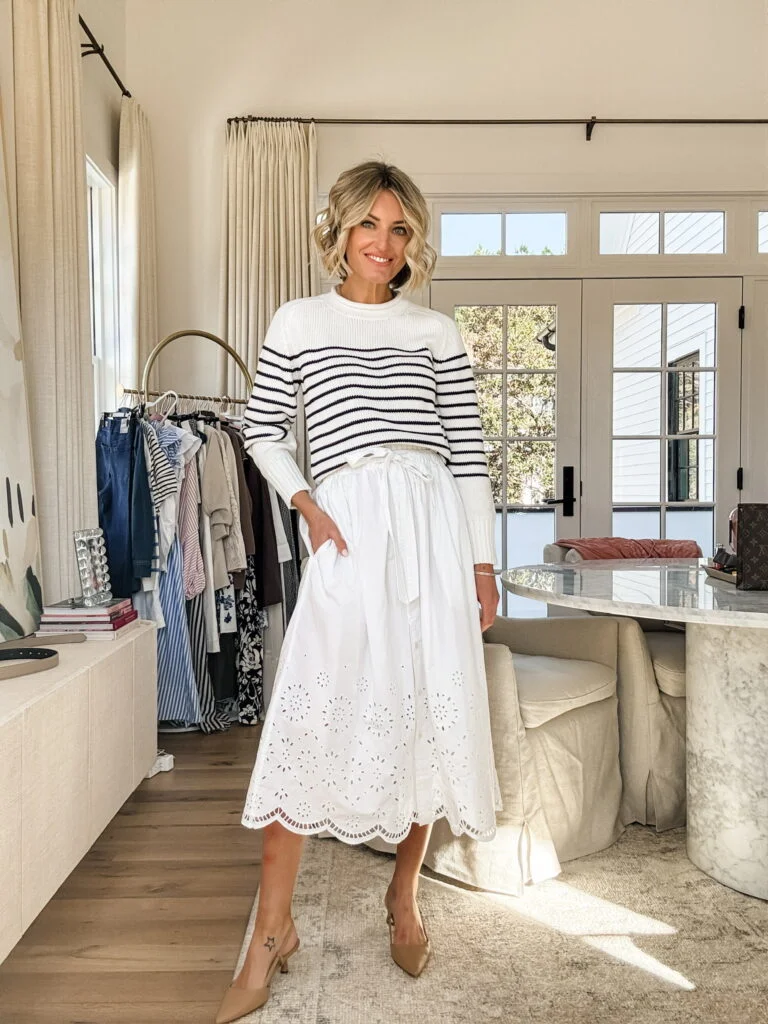
The foundation of any good layered outfit starts with breathable base layers. Think soft cotton tees, thin long sleeves, or even lightweight tank tops for warmer days. These pieces sit close to the skin and manage moisture, making them essential in preventing discomfort and overheating. Choosing neutral colors at this stage sets you up with versatile options that can pair with almost anything.
Mid Layers: Adding Style and Function
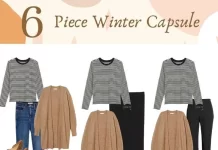
Mid layers are where you can bring in style while maintaining function. A structured striped top with button details offers timeless appeal and adds a bit of polish to casual outfits. Light sweaters or cardigans in thin wool or cotton blends are perfect to trap a little warmth without bulk. Leather jackets also make great mid layers; they are wind-resistant and surprisingly warm, plus they work well indoors when the temperature fluctuates.
Outer Layers: Protection Without Bulk
The final layer should protect you from the spring elements without weighing you down. Oversized coats are both practical and on-trend, allowing room for additional layers underneath and easy movement. Choose jackets that are lightweight but shield you from wind or light rain. Accessories like neutral baseball caps and oversized lightweight scarves can also serve as protective yet breathable finishing touches.
Color and Pattern Tips for Layered Spring Outfits
Mixing Neutrals with Pastels
Spring is the perfect season to embrace soft pastels, but pairing them with neutrals grounds your look and keeps it from feeling too sweet or juvenile. White jeans are a great neutral base, offering a polished look for office or casual environments. Pairing pastel tops or scarves with these whites balances freshness with sophistication. Just keep an eye on sizing, as white denim can sometimes require sizing down to ensure a sleek fit.
Using Patterns to Add Visual Interest
Patterns add personality to layered outfits without overwhelming the senses. Stripes, especially on structured tops, can bring a classic yet lively vibe to your look. Button details lend a touch of visual interest that draws the eye without competing with other patterns. Combining a patterned top with solid pastel or neutral layers allows each piece to shine in harmony.
Accessorizing Your Lightweight Layers
Choosing Breathable Accessories
Accessories are often the finishing touch that pulls a layered outfit together. When it comes to spring, opt for lightweight and breathable additions. Oversized scarves in light fabrics not only add color but can be easily removed as the temperature rises. Similarly, neutral baseball caps protect your face from the sun while complementing various color schemes and outfit styles.
Practical Items for Changing Weather
Spring weather can be unpredictable, so practical accessories are essential. Leather court sneakers fit perfectly into this category—they’re comfortable and durable, easily handling wet or windy conditions common in spring. Paired with lightweight outfits, these sneakers offer both function and style, making transitions from outdoor activities to indoor settings seamless.
Seasonal Care for Lightweight Fabrics
Washing and Maintenance Tips
Lightweight fabrics require gentle care to maintain their softness and breathability. Always check the garment’s label for specific washing instructions. In general, washing in cold water with mild detergent is best. Avoid heavy agitation and use the delicate cycle if possible. Air drying is preferred to keep fabrics from shrinking or losing shape. Ironing on low heat or using steam will help keep linens and cottons crisp without damage.
Storing Lightweight Clothing for Longevity
When the season changes, store your lightweight pieces thoughtfully to extend their lifespan. Fold items neatly rather than hanging heavy knits to avoid stretching. Use breathable garment bags for delicate fabrics to protect them from dust while allowing air circulation. Proper storage ensures your spring wardrobe stays fresh and ready for the next season’s layering adventures.