

Introduction to DIY Garden Planters
Why Choose DIY Planters?
Creating your own garden planters at home opens up a world of possibilities for personalizing your green space. DIY planters allow gardeners, especially beginners, to tailor containers to fit any size, style, or plant requirement. By opting for do-it-yourself solutions, you not only exercise creativity but also gain control over the materials used, reducing reliance on store-bought products.
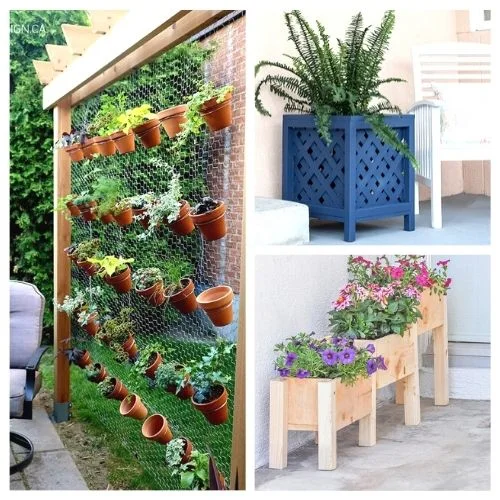
Moreover, crafting your own planters can be a rewarding experience that connects you more deeply to your garden. It offers an economical route to beautify your outdoor or indoor spaces without sacrificing quality or function. Whether you have a sprawling backyard or a small balcony, DIY planters help make gardening accessible and enjoyable.
Benefits of Using Household Items
Using household items for garden planters maximizes resourcefulness and sustainability. Items like plastic bottles, old shoes, tin cans, wooden crates, and egg cartons that would otherwise be discarded become perfect containers for plants. This repurposing minimizes waste and reduces the cost of gardening projects.
Watch the Tutorial
Household items are often lightweight, easy to modify, and come in various shapes and sizes, which adds flexibility when planning your garden layout. Additionally, working with familiar materials can make the construction process less intimidating for beginners while promoting eco-friendly gardening practices.
Preparing for Your DIY Planter Project
Essential Tools and Materials
Before starting any DIY garden planter, gathering the right tools and materials sets the foundation for success. Generally, common household tools such as scissors, utility knives, screwdrivers, and drills come in handy. You might also need sandpaper or small hammers depending on the material you choose to work with.
Materials often include recycled items like plastic bottles or tin cans, but when building wooden planters, affordable cedar dog-eared fence pickets can work well due to their durability and resistance to rot. Additionally, landscape fabric or plastic liners can be used inside planters to protect wood from moisture and prolong the planter’s lifespan.
Choosing the Right Plants for Beginner Planters
Selecting suitable plants is crucial when working with DIY planters, especially for beginners. Smaller herbs, succulents, and leafy greens are ideal choices because they typically require less space and care. Understanding plant needs for sunlight, water, and soil will help ensure your planter setup supports healthy growth.
It’s also useful to consider the depth of your planter. A depth of approximately 18 inches is often sufficient for many common garden herbs and vegetables. This not only accommodates root development but also allows for better soil drainage, which reduces the risk of plant diseases.
Top 5 Easy and Cheap DIY Garden Planters
Using Plastic Bottles
Plastic bottles make excellent planters due to their availability and versatility. They can be cut and shaped to fit your space precisely. Their transparent nature allows you to monitor soil moisture, and with some creative holes punched for drainage, they become practical miniature grow containers.
Recycling Old Shoes
Old shoes offer a quirky and charming planter option. Their small footprint and built-in drainage through the sole make them suitable for succulents or small flowers. This is an excellent way to give life to footwear destined for the trash while adding personality to your garden.
Transforming Tin Cans
Tin cans are durable and can be decorated or painted to suit your garden’s aesthetic. Their metal structure ensures they will last outdoors, and their size is perfect for compact plants. Just be sure to add several drainage holes at the bottom to prevent waterlogging.
DIY Planter with Wooden Crates
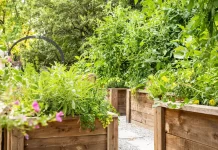
Wooden crates are naturally sturdy and spacious, making them a favorite among gardeners who want larger planters. By lining them with plastic or landscape fabric, you protect the wood and retain soil moisture for healthier plants. Crates can be stacked or arranged creatively to maximize planting area.
Egg Carton Seed Starters
Egg cartons provide an easy and biodegradable way to start seedlings. Each section holds soil and a seed, making it straightforward to nurture young plants before transplanting them into larger planters. Once seedlings are strong enough, the entire carton section can be planted directly into the soil, allowing the carton to decompose naturally.
Step-by-Step Guide: Creating a Plastic Bottle Planter
Cutting and Preparing the Bottle
Begin with a clean plastic bottle. Depending on the plant size, cut the bottle horizontally to create an opening wide enough for planting. It’s important to smooth any rough edges to prevent injury and improve appearance. If you plan to hang the bottle, make holes near the top sides for attaching string or wire.
Adding Drainage and Soil
Next, ensure proper drainage by puncturing small holes in the bottom of the bottle. This prevents water accumulation, which can harm roots. Add a layer of small stones or gravel before filling the bottle with soil appropriate for your selected plant type. This layering helps retain moisture while allowing excess water to escape.
Planting and Maintenance Tips
Place your chosen plant gently into the soil, covering roots adequately without compacting too tightly. Water the soil lightly and place the planter where it receives appropriate sunlight. Monitor moisture levels regularly, as plastic bottles can dry out quickly. Remember to rotate the planter for even sunlight exposure and remove any dead leaves promptly to maintain plant health.
Troubleshooting and Maintaining Your DIY Planters
Common Problems and Solutions
One frequent issue with DIY planters is poor drainage, leading to root rot. Always verify that your container has adequate holes and that soil isn’t waterlogged. Another challenge is planter durability—materials like wood can warp or degrade without treatment. Using landscape fabric and proper lining methods can prevent this. Also, uneven or unstable planters might collapse if not assembled securely, so measuring and leveling are crucial steps in construction.
Watering and Sunlight Tips
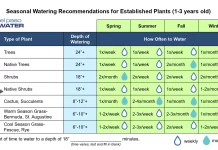
Consistent watering tailored to plant requirements is key to success. Overwatering can be as harmful as underwatering, so check soil moisture before adding water. Most plants thrive with around six hours of sunlight daily, but this varies by species. Adjust planter placement as needed to ensure your plants get adequate light without scorching.
Conclusion: Embrace Creativity in Your Garden
DIY garden planters offer an accessible and enjoyable way to cultivate green spaces, especially for beginners. By utilizing household items creatively, you not only save money but also contribute to environmental sustainability. The process encourages patience and hands-on learning while transforming everyday objects into functional art.
Whether starting with simple plastic bottles or crafting larger wooden planter boxes, the key lies in careful preparation, thoughtful plant selection, and regular maintenance. Embrace experimentation and let your creativity flourish alongside your plants. Your garden will thank you with beauty and bounty, cultivated by your own hands.