





















Introduction to Upcycling: Why Choose Old T-Shirts for Tote Bags?
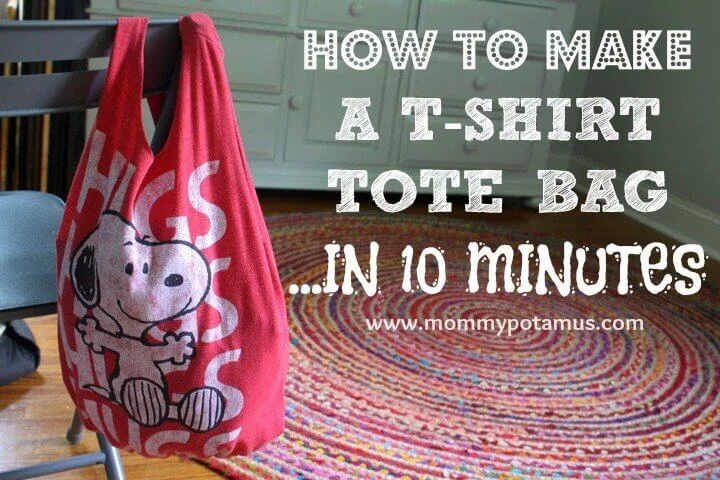
Upcycling old t-shirts into tote bags is a creative way to breathe new life into garments that might otherwise end up in the landfill. This approach not only helps reduce textile waste but also produces something practical and durable for everyday use. Tote bags made from t-shirts are especially appealing because they are soft yet sturdy, lightweight, and can be customized easily. Choosing old t-shirts taps into the trend of sustainable fashion, empowering individuals to make environmentally conscious choices without compromising style or function.
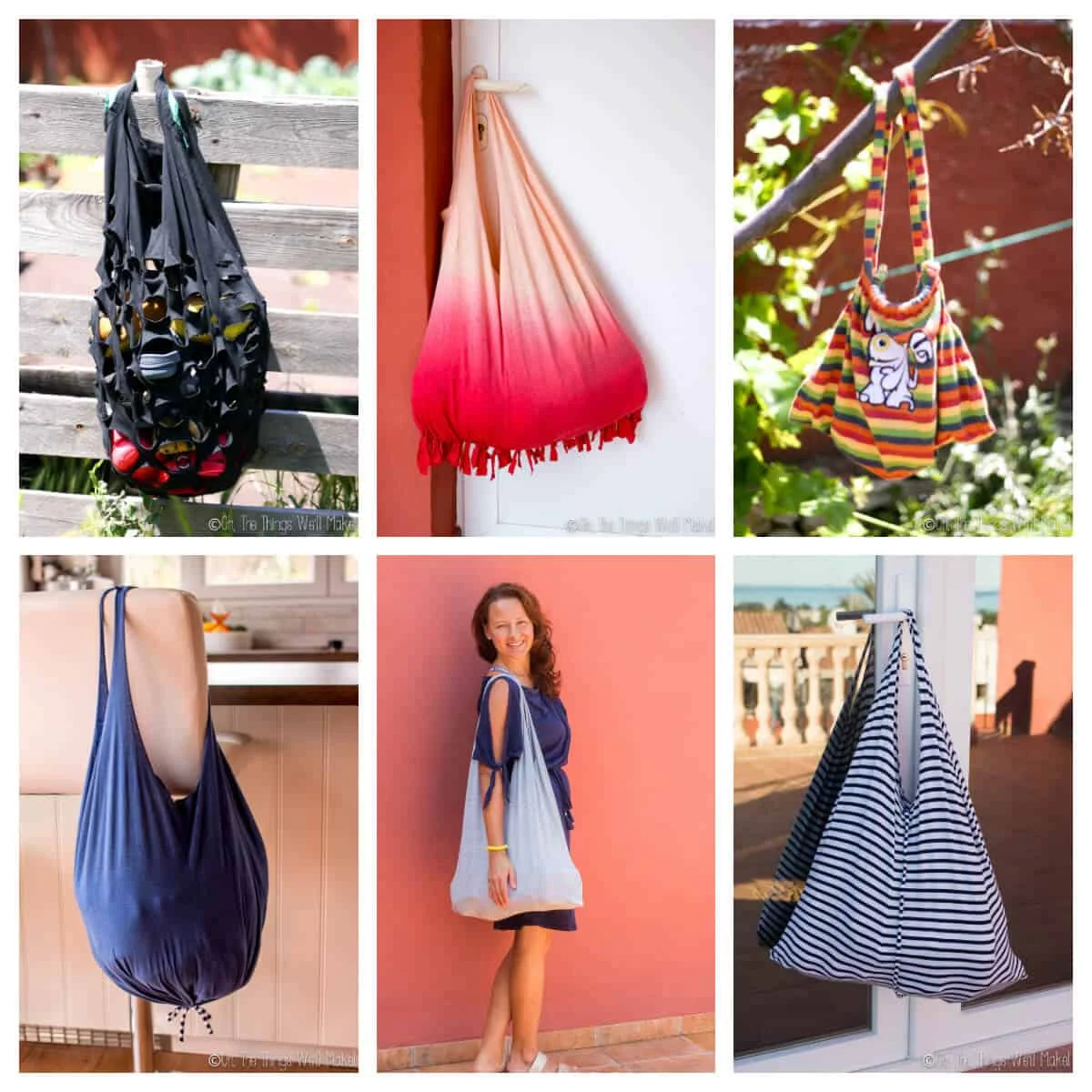
Beyond environmental benefits, creating a tote bag from an old t-shirt is cost-effective and accessible, requiring minimal materials and skills. This makes it an ideal DIY project for beginners and anyone interested in handmade accessories. The process highlights the importance of resourcefulness and promotes a culture of reuse, adding value to discarded items in a meaningful way.
Materials Needed for Making Durable Tote Bags
Selecting the Right T-Shirts
Not all t-shirts lend themselves equally well to tote bag making. Thicker fabric t-shirts are preferable because they result in sturdier and longer-lasting bags. Cotton blends with some elasticity provide both strength and flexibility, allowing the bag to hold heavier items without tearing. When selecting shirts, inspect for signs of wear such as thinning, holes, or stains; these areas can weaken the structure or reduce visual appeal.
Watch the Tutorial
Tank tops with symmetrical front and back are also worth considering if you want to try specific styles, like twisted tank top totes. However, asymmetrical tops can result in uneven appearance once transformed, so choose carefully depending on your design goals.
Additional Tools and Supplies
Beyond the t-shirts themselves, having the right tools makes the process smoother and enhances the quality of the finished bag. Sharp fabric scissors are essential for clean, precise cuts—the difference is noticeable when shaping handles and edges. A sewing machine is helpful for creating durable seams, though hand sewing can work for simpler designs. Additionally, fabric markers or chalk can help in outlining cutting lines, while pins or clips keep layers aligned during sewing.
For embellishments or added strength, small scraps of fabric from other t-shirts or sewing thread that matches the material color will come in handy. If you prefer a no-sew method, the ability to tie fabric fringes securely becomes critical and requires attention to detail to avoid holes or weak spots.
Preparing Your T-Shirts for Transformation
Cleaning and Inspecting Fabric
Before starting any cutting or sewing, it’s important to have clean t-shirts. Wash and dry the shirts thoroughly to remove dirt, oils, and odors. Clean fabric ensures the materials are fresh, reducing the risk of contamination and improving the longevity of the tote bag. Additionally, inspecting the fabric carefully allows you to select the best areas to cut, avoiding worn spots or stains that could weaken the structural integrity.
Having multiple reusable bags in rotation is a good practice as it allows you to wash them frequently, reducing contamination risks like E. coli buildup. This consideration applies to upcycled t-shirt bags as well, underlining the importance of clean fabric at the start.
Cutting Techniques for Optimal Use
Precision in cutting is fundamental to producing a durable, attractive tote bag. One effective approach is to fold the t-shirt in half to cut sleeves evenly. Alternatively, you can cut one sleeve first and use it as a guide for the other, ensuring symmetry. When cutting necklines, turning the shirt inside out to trace and cut can provide cleaner edges, though free-hand cutting allows for personalized shapes that suit your style.
Determining the bag’s desired depth and width before cutting anything else helps in planning fringe or seam placements. For fringe cuts, it’s crucial to cut slits evenly about three-quarters to one inch apart on both the front and back layers simultaneously. Uneven cuts or cutting only one layer can cause misalignment, resulting in an unstable bag bottom. Careful cutting sets the stage for a professional finish.
Step-by-Step Sewing Instructions
Creating the Bag Base
Start by laying the t-shirt flat, ensuring it is wrinkle-free. If the bottom hem is intact and strong, you can work with it as part of your bag base. However, if additional sturdiness is needed, sewing a new seam at the bottom after trimming excess fabric helps reinforce the structure. When sewing, flipping the shirt inside out before working allows seams to remain concealed on the interior, giving the bag a clean exterior look.
Pay attention to corners and edges during the sewing process. Avoid making basic sewn bags where corners poke into the sides, as this can make carrying uncomfortable. Instead, smooth and rounded seams improve both durability and aesthetics.
Crafting Strong Handles
Handles are crucial to the usability of your tote bag. To ensure strength, cut handles wide enough to distribute weight evenly, especially if you plan to carry heavy items. Reinforce handles by sewing extra layers or doubling the fabric where they attach to the bag body. For no-sew options, tying straps into knots or attaching fabric scraps securely at connection points helps reinforce them while enabling creative customization.
Testing the handle strength before finishing the project can prevent surprises later. Gently pull on the handles to ensure the stitching or knots hold firmly under strain.
Adding Reinforcements for Durability
Reinforce stress points like the bottom and handle attachments by sewing additional layers or using strong, tight knots for no-sew versions. Tie paired fringe strands first at the bottom if using fringe closures, then tie adjacent strands to close any remaining holes. Turning the bag right side out after tying reveals the structure and allows for adjustments before completing the project.
Consistent attention to the reinforcement process helps maintain bag integrity for repeated use. Properly reinforced bags exhibit resilience to heavy loads without stretching or tearing, making them practical for everyday shopping or carrying books.
Design Variations and Customization Tips
Color Blocking and Pattern Mixing
To enhance visual appeal, consider combining t-shirts of different colors or patterns. Color blocking involves sewing contrasting pieces together, creating a vibrant and modern design. Pattern mixing allows for playful combinations, especially if you integrate graphic tees with solid colors. Planning your layout beforehand ensures the final product is cohesive rather than chaotic.
Remember that thicker fabrics offer better structure, so mixing very thin fabrics with thick ones might affect balance. Test different combinations by layering fabric pieces and folding them to visualize the finished look.
Embellishments and Personal Touches
Adding embellishments transforms a simple tote into a unique expression of style. Tie straps in decorative knots or attach small scraps of t-shirt fabric at the bag’s top for an eye-catching detail. Fabric paint, patches, or embroidery can also be incorporated to personalize your project further.
Using embellishments strategically ensures they complement rather than detract from the bag’s durability. For example, avoid heavy decorations in weight-bearing areas to prevent damage. Creative embellishments can also serve to reinforce weak spots, doubling as both functional and aesthetic elements.
Care and Maintenance for Longevity
Upcycled tote bags benefit from proper care to maintain their appearance and strength. Regular washing in cold water helps keep fabric fresh, but avoid harsh detergents that can degrade fibers. Allow the bags to air dry to prevent shrinkage or distortion. Rotating bags during use allows frequent washing without sacrificing convenience, reducing the risk of carrying bacteria or dirt.
Inspect bags periodically for loose threads, weakened seams, or holes. Prompt repairs, such as retying knots or reinforcing seams, extend bag life and maintain usability. Keeping your tote clean and well-maintained ensures it remains a reliable companion for shopping trips and daily errands over time.
Eco-Friendly Impact of Tote Bag Upcycling
Reducing Waste and Promoting Sustainability
Upcycling old t-shirts into tote bags is a small but effective step toward reducing the environmental harm caused by fast fashion and disposable consumer goods. By repurposing textiles, you divert waste from landfills where synthetic fibers can take decades to decompose. Each tote bag created reduces the demand for new raw materials, conserving water, energy, and reducing emissions associated with manufacturing.
Moreover, reusable tote bags support the reduction of single-use plastic bags, which are a significant source of pollution worldwide. Multiple reusable bags allow for frequent washing and reduce contamination risks, promoting healthier habits in everyday life. Embracing upcycling reinforces sustainable living practices and demonstrates how thoughtful consumption can make a difference, one t-shirt at a time.