

















Understanding the Basics of Marinating Chicken
What Does Marinating Do?
Marinating chicken is a technique used to enhance both the flavor and texture of the meat, making it moist and savory when grilled. The problem many face is dry, bland chicken, which often results from cooking poultry without proper preparation. Marinating allows the chicken to absorb essential moisture and seasoning, breaking down muscle fibers and deepening flavor profiles. This process not only tenderizes the meat but also infuses it with complementary flavors, ensuring every bite is juicy and flavorful.
Types of Marinades: Acidic, Enzymatic, and Oil-Based
Understanding the types of marinades helps prevent mistakes like over-tenderizing or insufficient flavoring. Acidic marinades use ingredients such as vinegar or citrus juices to break down proteins and tenderize meat. Enzymatic marinades rely on natural enzymes found in foods like pineapple or papaya. Oil-based marinades primarily coat the chicken, helping to retain moisture and carry flavors. Each type affects the chicken differently, so choosing the right one based on desired taste and texture is crucial to mastering grilled chicken.
Essential Ingredients for a Perfect Chicken Marinade
Choosing the Right Acids: Vinegar, Citrus, and Yogurt
One common cause of dry or tough grilled chicken is an unbalanced marinade acid level. Acids like vinegar, lemon juice, or yogurt are vital because they tenderize meat by breaking down proteins, but too much acid can turn the chicken mushy. Citrus juices like lemon provide bright, fresh flavor and effective tenderizing, which can be adjusted in quantity according to preference. For instance, reducing lemon juice from half a cup to a quarter cup can prevent overpowering acidity while maintaining juiciness.
Flavor Enhancers: Herbs, Spices, and Aromatics
The lack of depth in flavor is another problem often encountered. Herbs such as oregano, thyme, and rosemary, alongside spices like paprika or cumin, transform the marinade from merely functional to aromatic and rich. Aromatics including garlic and onion add layers of complexity. Combining these with an acid base creates a marinade that not only tenderizes but also imparts vibrant flavor. Gently massaging these elements into the chicken ensures even distribution, avoiding uneven tastes.
Balancing Salt and Sweetness
Salt is essential to help the meat retain moisture during grilling; however, too much or too little can cause issues. Undersalting results in bland chicken, while oversalting can dry it out. Including a touch of sweetness from ingredients like honey or brown sugar balances the tang from acids and enhances caramelization on the grill. Balancing these elements makes the marinade versatile and brings harmonious flavor without overwhelming the chicken.
Step-by-Step Guide to Marinate Chicken Like a Pro
Preparing the Chicken for Maximum Flavor Absorption
Many struggle with uneven cooking and under-flavored meat due to poor preparation. To solve this, start by pounding chicken breasts between plastic wrap or parchment paper to an even thickness. This eliminates cooking inconsistencies and creates a larger surface area for marinade absorption. Using a zip-top bag to contain chicken and marinade allows for easy mixing and ensures the chicken is evenly coated, preventing flavor hotspots and maximizing taste.
Mixing and Applying the Marinade Effectively
A common mistake is applying too little marinade or not mixing it well, leading to uneven seasoning. To counter this, whisk marinade ingredients thoroughly before adding the chicken. Then, gently massage the marinade into the chicken inside the sealed bag, ensuring every piece is covered and can soak up the flavors uniformly. This method avoids waste and intensifies the impact of the marinade on your grilled chicken.
Optimal Marinating Times for Different Cuts
Knowing how long to marinate is essential because marinating too briefly results in weak flavors, while excessive marination can break down the meat fibers excessively, causing mushiness. Chicken breasts benefit from 30 minutes to 2 hours, allowing flavors to penetrate without breaking down meat texture. Dark meat cuts like thighs or drumsticks can handle longer marinating times, up to 6 hours, due to their higher fat content. Sticking to these time frames ensures perfect texture and taste.
Tips for Grilling Marinated Chicken to Perfection
Prepping the Grill and Maintaining Heat
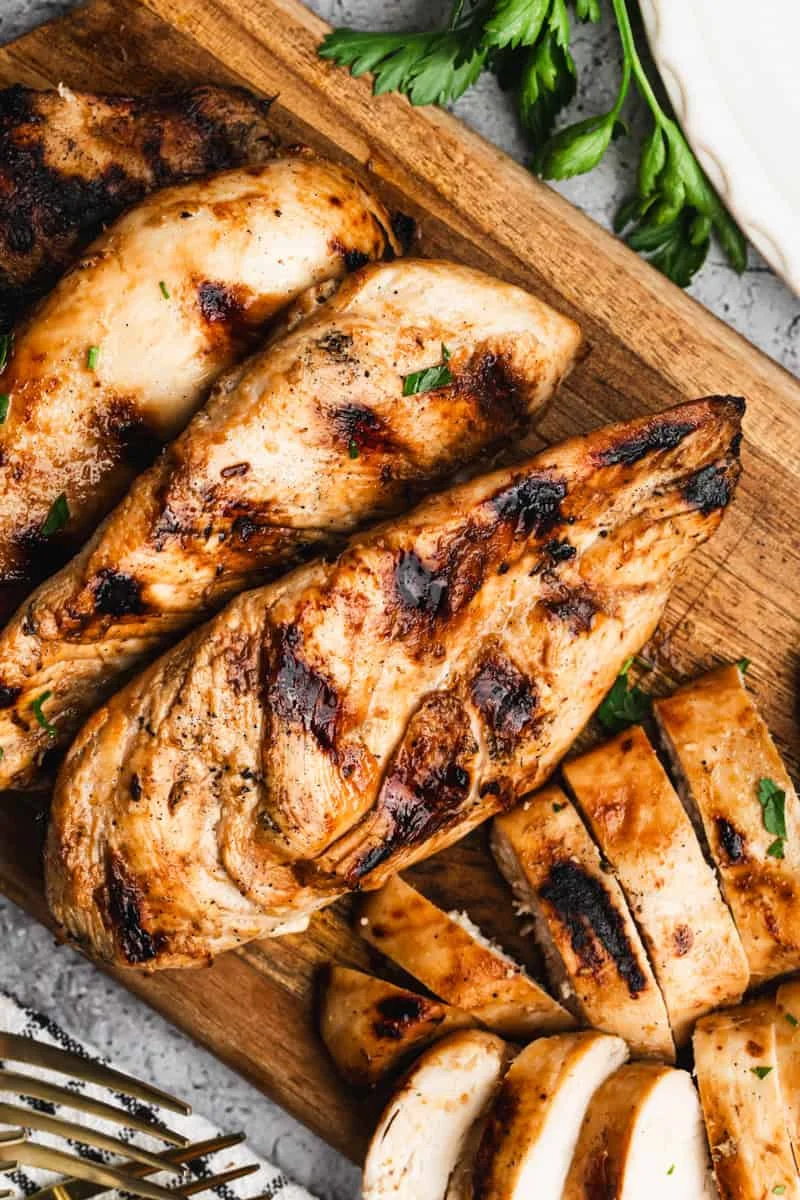
Even a well-marinated chicken can fall flat if the grill is not properly prepared. A common problem is uneven cooking caused by inconsistent grill heat. Preheat the grill to medium-high and clean the grates to avoid sticking. Maintaining steady heat prevents burning or drying out the chicken, locking in juiciness. A well-prepped grill helps to achieve that classic char while preserving moisture.
Monitoring Chicken for Juiciness and Doneness
Overcooking chicken leads to dryness and loss of flavor. One solution is to monitor the chicken using a thermometer or touch test to know when it’s cooked through but still juicy. Starting with evenly pounded chicken breasts ensures an even cooking time, so checking at around 165°F internal temperature guarantees food safety without sacrificing moisture.
Resting and Serving Suggestions
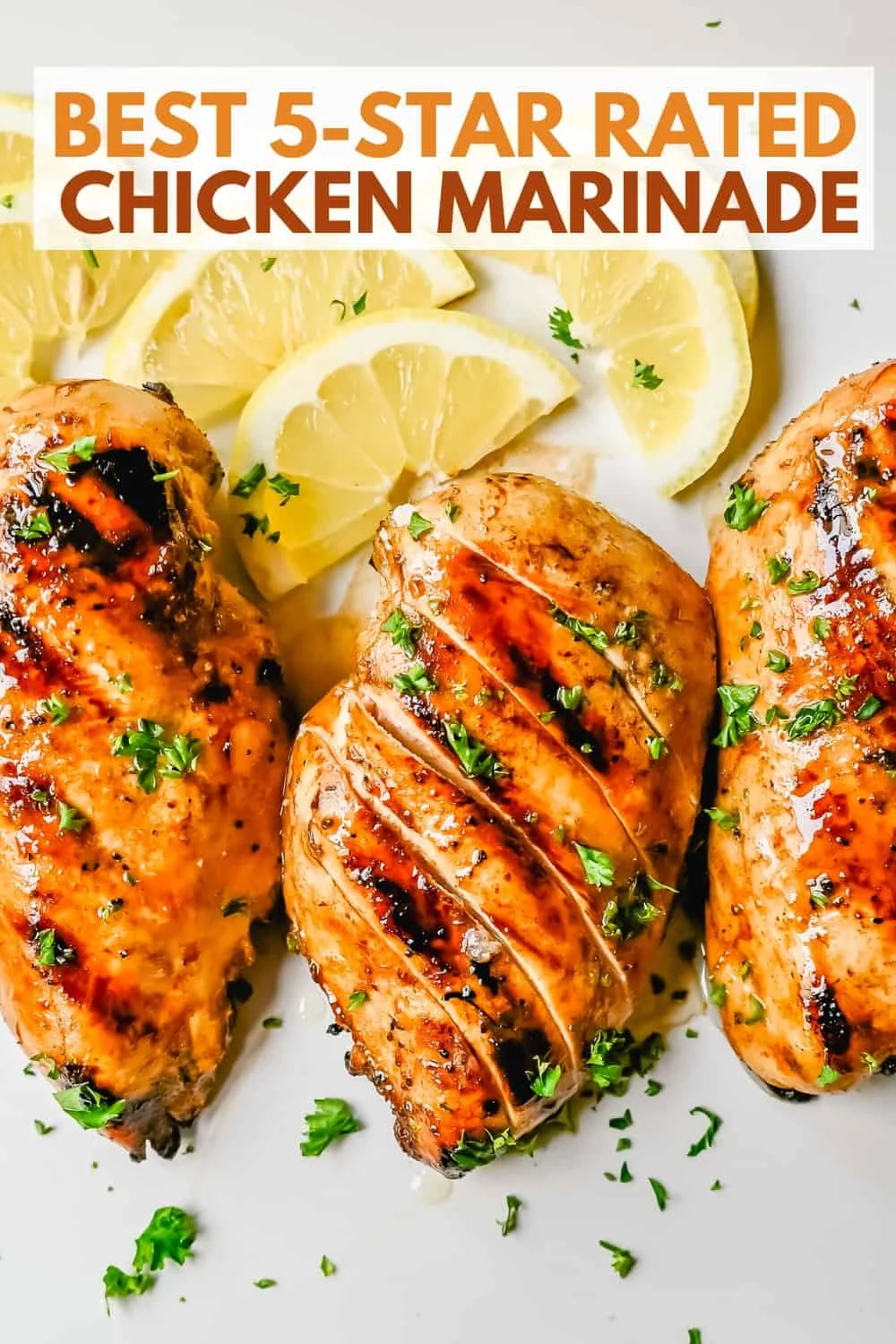
Cutting into grilled chicken immediately after cooking causes juice loss, a common pitfall that makes the meat seem dry. Letting the chicken rest for five to ten minutes allows juices to redistribute, resulting in tender, flavorful bites. Serving grilled chicken breasts with fresh lemon wedges adds brightness and complements the marinade’s citrus notes, elevating the overall dining experience.
Common Mistakes to Avoid When Marinating Chicken
Over-Marinating Risks and How to Prevent Them
Marinating chicken for too long can break down proteins excessively, creating a mushy texture. This usually happens when acidic ingredients dominate. To prevent this, adhere to recommended marinating times and adjust acid levels based on the recipe and personal taste. Monitoring these details preserves the meat’s structure while maximizing flavor.
Using Unsafe Containers and Marinade Cross-Contamination
Using metal containers can react with acidic ingredients, altering taste and potentially leaching unwanted chemicals. Plastic or glass containers are safer choices. Additionally, cross-contamination occurs when marinade that touched raw chicken is reused as a sauce without proper cooking. Avoid this by separating or boiling leftover marinade before applying it to cooked chicken to ensure food safety.
Experimenting with Global Marinades for Unique Flavors
Classic Mediterranean Marinades
Mediterranean flavors often combine bright citrus, herbs like oregano, and garlic in olive oil. This blend creates a fresh and aromatic profile perfect for summer grilling. Using a quick lemon and oregano marinade produces bright, juicy chicken that pairs well with vegetables and salads.
Spicy Asian-Inspired Blends
Asian marinades often balance salty soy sauce, pungent ginger, and fiery chili to create bold, vibrant flavors. Incorporating ingredients like sesame oil and garlic can add depth. These marinades bring a unique twist to grilled chicken, transforming simple meat into an exciting dish.
Bold Latin American Flavors
Latin American marinades emphasize smoky paprika, cumin, and fresh lime juice, often combined with cilantro or fresh herbs. They deliver robust, tangy, and smoky notes that awaken the palate and make grilled chicken a hearty centerpiece for any meal.