






















Understanding the Source of Lingering Odors in Kitchen Trash Cans
Common Odor-Causing Agents
Kitchen trash cans often develop unpleasant odors due to the accumulation of organic waste. Food scraps such as fruit peels, meat residues, and dairy products decompose over time, producing bacteria and gases that create foul smells. Additionally, liquids that leak from improperly sealed bags can saturate the trash can’s surface, further intensifying the odor. Mold and mildew can also contribute, especially in warm and moist environments.
Why Trash Cans Retain Smells
The materials of most kitchen trash cans, such as plastic or metal, may absorb odors if the can is not cleaned regularly. Trash bags sometimes leak or tear, allowing waste to come into direct contact with the can’s interior. Moreover, moisture from food waste can linger and promote bacterial growth, making smells harder to eliminate and causing odors to persist even after the trash is removed.
Top Natural Ingredients to Neutralize Kitchen Trash Odors
Baking Soda: The Classic Deodorizer
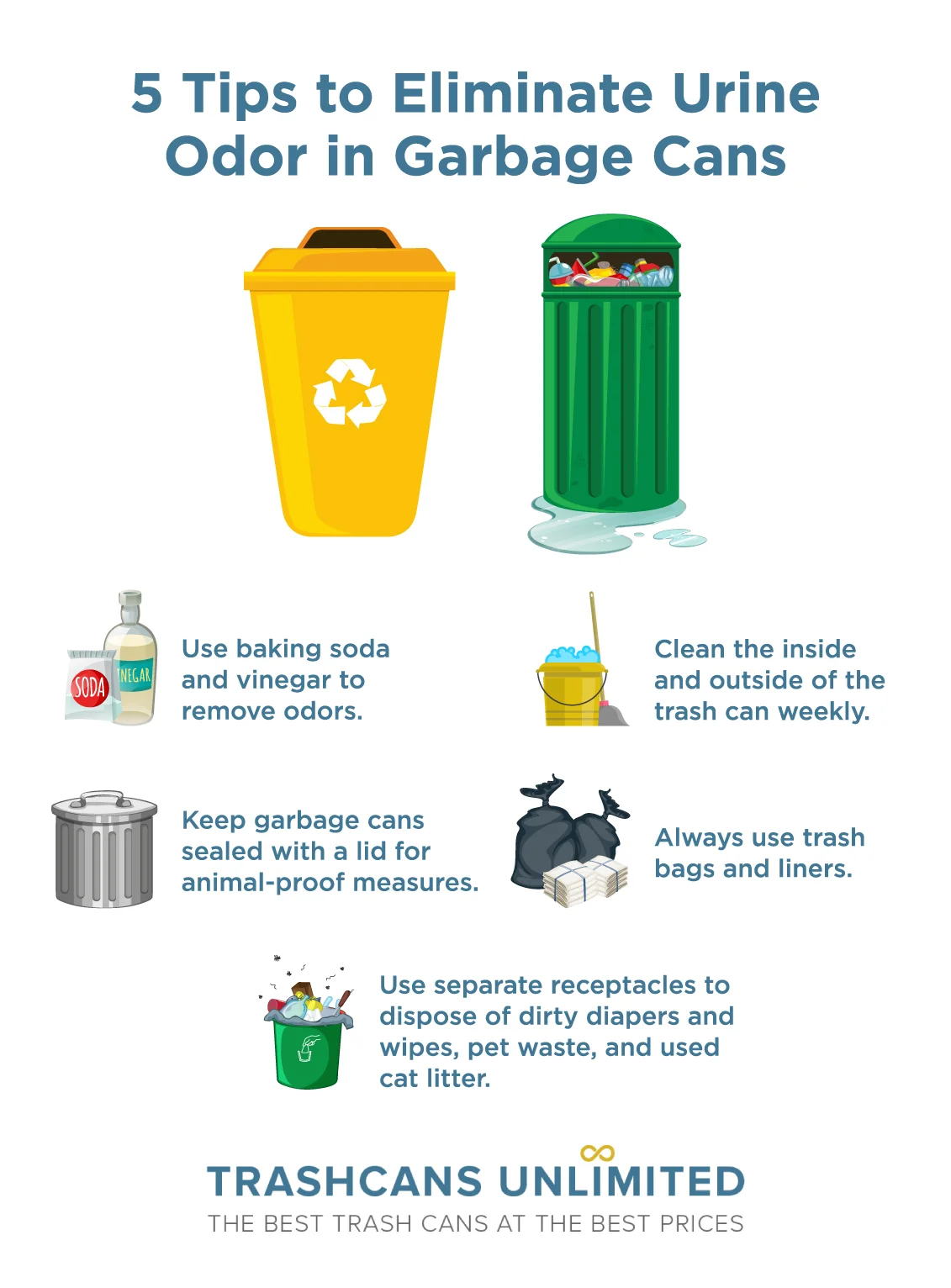
Baking soda is a commonly recommended natural deodorizer due to its ability to neutralize acidic and basic odor molecules. When sprinkled inside a trash can, baking soda absorbs odors rather than just masking them with fragrance. It’s safe, inexpensive, and easy to use, making it an ideal solution for kitchen trash cans.
White Vinegar and Its Antibacterial Properties
White vinegar is effective not only at neutralizing odors but also at eliminating the bacteria that cause them. Its acidic nature breaks down odor-causing compounds while disinfecting the trash can. Using white vinegar during cleaning helps prevent the buildup of mold and mildew, which contribute to lingering smells.
Lemon and Citrus Peels for Freshness
The natural oils in lemon and other citrus peels provide a fresh, uplifting scent while also helping to break down grease and food residues. Citrus peels can be added to the trash or used in sachets as a gentle way to refresh the trash can environment. Their natural acidity also aids in neutralizing odors.
Activated Charcoal for Absorption
Activated charcoal is known for its porous structure, allowing it to trap odor molecules effectively. Unlike scented products, activated charcoal eliminates smells by absorbing them, making it useful for long-term odor control. Placing a small bag or container of activated charcoal inside the trash can can keep odors at bay without introducing any fragrances.
Step-by-Step Methods to Eliminate Odors Naturally
Daily Cleaning Routines
Maintaining a daily routine can prevent odors from developing in the first place. Always use a properly sized trash bag to contain waste and avoid leaks. After emptying the trash, wipe the inside of the can with a cloth dampened with white vinegar or a mild natural cleaner. Make sure to dry the bin thoroughly as dampness encourages mold growth. Using rubber gloves during this process can protect your skin and make cleaning easier.
Deep Cleaning with Natural Solutions
For more persistent odors, deep cleaning is necessary. Start by removing all trash and washing the can with warm water and a mixture of baking soda and white vinegar. Let the baking soda sit inside the trash can for 5–10 minutes before scrubbing to maximize odor absorption. Rinse thoroughly and dry completely. This process removes residue that causes smells and disinfects the surface. Setting reminders to clean the trash can on a weekly or biweekly basis can help sustain freshness.
Ongoing Preventive Measures
In addition to cleaning, ongoing prevention is key. Using scented kitchen trash bags can add an extra layer of odor control, especially when emptying the trash is delayed. Choosing the right trash bag size for your bin ensures that waste is fully contained, reducing leakage. For outdoor bins or heavy-duty use, black trash bags not only hide waste but also provide extra thickness and durability against tears.
DIY Natural Deodorizers and Fresheners
Homemade Baking Soda & Essential Oil Blend
You can create a custom deodorizer by mixing baking soda with a few drops of your favorite essential oil, such as lavender or tea tree oil. This blend combines the odor-absorbing power of baking soda with pleasant natural fragrances. Simply sprinkle the mixture at the bottom of the trash can or inside a small open container to freshen the air continuously.
Vinegar Spray Mixtures
A simple spray made from equal parts white vinegar and water works well to neutralize smells and sanitize surfaces. Use it to wipe the trash can daily or spray lightly after each trash removal. The vinegar scent dissipates quickly, leaving behind a clean environment. Make sure to dry the can fully after spraying to avoid moisture buildup.
Creating a Citrus Peel Sachet
Collect dried citrus peels and place them in a breathable fabric bag or sachet. Position this sachet inside the trash can or near the trash area. The natural citrus oils will release a mild fresh scent and help mask odors while absorbing moisture. Replacing the peels regularly keeps the sachet effective for ongoing freshness.
Additional Tips to Maintain a Smell-Free Kitchen
Proper Trash Bag Usage and Disposal Frequency
Choosing the correct trash bag size is important for effective odor control, with 13-gallon bags being a standard for kitchen trash cans. Smaller bins can use 4- or 8-gallon bags, while larger or outdoor bins may require 30 gallons or more. Regularly emptying your trash can, ideally before bags become overly full or start to leak, helps prevent odor buildup. Setting reminders for trash collection days ensures you don’t miss disposal times, reducing the chance of lingering smells.
Choosing the Best Kitchen Trash Can Materials
Some materials retain odors less than others. Stainless steel trash cans often resist odor absorption better than plastic ones and are easier to clean thoroughly. Additionally, bins with lids that seal tightly can help contain smells inside. However, ventilation is also important to prevent moisture accumulation, so selecting a trash can with proper airflow or using odor-absorbing inserts can balance containment and freshness.