



















Understanding the Impact of Pet Stains and Odors on Home Environment
Why Eco-Friendly Cleaning Matters
When Max, a lively golden retriever, had his first accident on the living room carpet, his owner Sarah was determined to clean it up without exposing her family or Max to harsh chemicals. This personal experience reflects a growing awareness among pet owners: traditional chemical cleaners can be harmful, not just to pets but to the environment as well. Eco-friendly cleaning offers a safer alternative by using natural ingredients that break down stains and odors without releasing toxins.
Beyond safety, adopting green cleaning methods supports healthier indoor air quality and aligns with broader environmental goals. Pet stains, if left untreated or cleaned with the wrong products, can lead to lingering odors, mold growth, and a compromised home atmosphere. Using eco-friendly products helps ensure the home remains fresh and inviting without contributing to pollution or putting pet health at risk.
Common Chemicals to Avoid in Pet Stain Removal
Many conventional stain removers contain ammonia, bleach, artificial fragrances, and phosphates—ingredients that not only irritate pets’ sensitive noses but can also cause skin reactions or respiratory issues. For instance, ammonia’s scent can sometimes encourage pets to re-mark the same spot, creating an endless cycle of accidents. Bleach, on the other hand, is highly toxic if ingested and can damage flooring or upholstery.
Pet owners should be vigilant in reading labels and steering clear of products with harsh surfactants or synthetic dyes. These chemicals may offer quick results but at the cost of potentially long-term health problems for pets and humans alike. Choosing natural or enzyme-based cleaners can avoid these pitfalls while still providing effective stain and odor elimination.
Natural Ingredients That Effectively Tackle Pet Stains
Enzymatic Cleaners Derived from Nature
One of the most effective eco-friendly solutions for pet stains is enzymatic cleaners. These products harness the power of natural enzymes and beneficial bacteria to break down the organic matter in urine, feces, or vomit. When Luke’s cat, Whiskers, had a recurring litter box accident on the rug, his switch to an enzyme-based cleaner made a noticeable difference—not only removing stains but neutralizing odors that previous treatments couldn’t touch.
By targeting the root cause rather than masking odors, enzymatic cleaners protect sensitive pet noses and support healthier indoor air. Since these cleaners are biodegradable and non-toxic, they’re safe for use around children and pets without concerns about residue buildup.
DIY Solutions Using Vinegar, Baking Soda, and Essential Oils
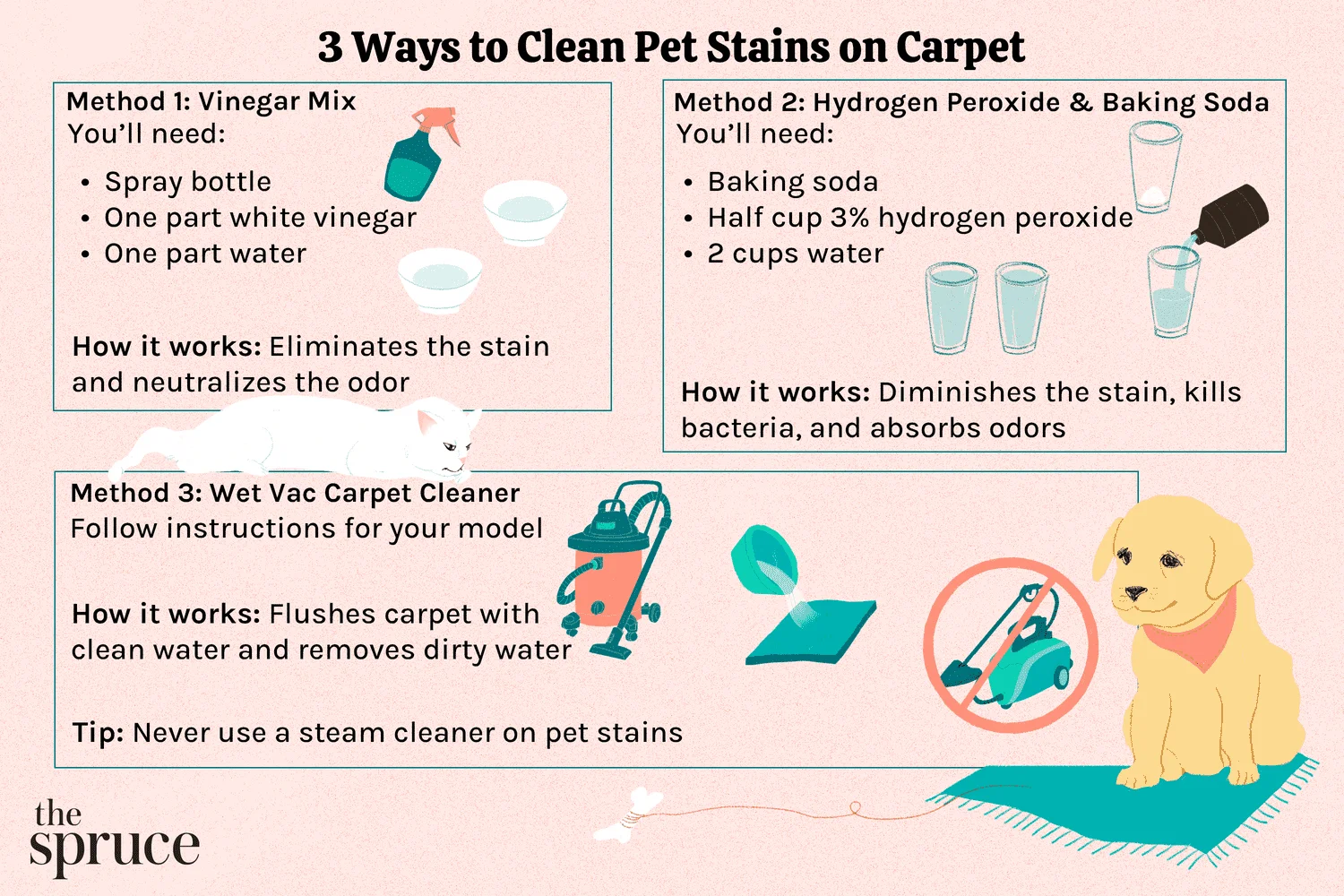
Many pet owners have found success in tackling stains with a simple blend of household ingredients. White vinegar’s acidic nature helps break down urine crystals, while baking soda absorbs moisture and neutralizes smells. Adding a few drops of pet-safe essential oils like lavender or chamomile provides a pleasant scent without overpowering your pet’s sensitive sense of smell.
However, it’s crucial to use essential oils sparingly and consult a veterinarian before applying any oil-based solutions around your pets. Some oils can be toxic, especially to cats. For example, Laura, who struggles with dog odors in a shared apartment, always ensures her homemade cleaners are well-diluted and only applied on fabrics or surfaces that Max cannot directly lick or ingest.
Step-by-Step Guide to Safely Removing Pet Stains
Preparation: Assessing the Type of Stain
Before jumping into cleaning, understanding the nature of the stain is key. Fresh urine requires immediate attention to prevent it from setting, while dried or older stains might need prolonged treatment. Solid waste should be removed carefully with gloves to avoid spreading bacteria and minimize contact.
Jessica recalls a time when she accidentally set a vomit stain by applying water immediately. Through trial and error, she learned that gently scraping solids first and then soaking the area with an enzymatic cleaner led to much better outcomes.
Application Techniques for Optimal Results
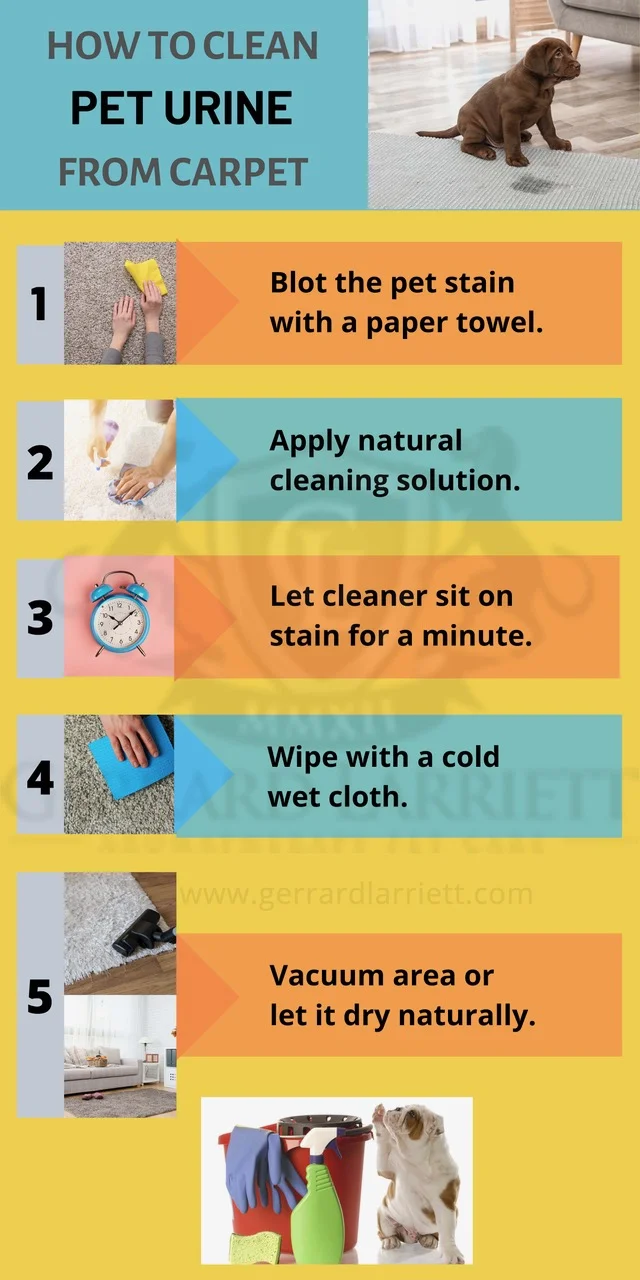
Once the stain is identified, apply your chosen natural cleaner generously. For carpets, soak the stained area fully, allowing the enzymes or vinegar solution to penetrate deep fibers. Letting the solution sit for 10-15 minutes before blotting lets it break down residues effectively. Quick absorption of excess liquids before treatment improves this process.
On hard surfaces, spraying directly and wiping clean with reusable cloths makes for a quick and eco-conscious cleanup. In all cases, avoid rubbing vigorously as this can damage fibers or spread the stain further. Consistency and patience are essential—sometimes a second application is necessary for stubborn spots.
Post-Cleaning Maintenance and Odor Control
Once the visible stain is gone, ongoing odor management prevents pets from returning to the same spot. Regularly air out rooms and apply baking soda on pet beds or carpets to maintain freshness. Many pet owners find that proactive treatment of common pet hangouts reduces accidents and keeps odors at bay.
Additionally, non-toxic sprays formulated specifically for pets help refresh spaces without harsh fragrances. Keeping stain removers accessible encourages immediate action, cutting down on smell buildup and permanent damage over time.
Eco-Friendly Tools and Products to Invest In
Reusable Cleaning Cloths and Brush Options
Transitioning to sustainable cleaning also means shifting away from disposable wipes or paper towels. Microfiber cloths that can be washed and reused are excellent for tackling stains and wiping surfaces without leaving lint behind. Similarly, brushes with natural bristles efficiently lift dirt while minimizing environmental impact.
Emma replaced her old cleaning supplies with reusable alternatives and noticed a drop in waste and overall cleaning costs. These tools complement eco-friendly cleaners perfectly, creating a holistic green cleaning routine that benefits home and planet alike.
Certified Green Cleaning Brands for Pets
When selecting commercial products, look for certifications from trusted organizations that verify eco-friendliness and pet safety. Brands that use plant-based ingredients, avoid synthetic fragrances, and ensure biodegradability offer the best assurance for careful pet owners.
For example, several enzymatic cleaner brands now carry eco-certifications and proudly label their products as safe around cats, dogs, and children—helping pet owners make informed choices without endless research.
Prevention Tips to Minimize Future Stains and Odors
Pet Grooming and Hygiene Best Practices
Keeping pets clean reduces the occurrence of stains related to dirt or oils on their fur. Regular baths, nail trimming, and ear cleaning all contribute to fewer messes around the home. Luke notes that since grooming his dog more frequently, fewer accidents have occurred, likely because Max feels more comfortable and less anxious.
In addition, maintaining litter boxes and pet bedding by washing or replacing them often can control odors before they spread. These hygiene habits prevent the buildup of bacteria and discourage pets from marking territory indoors.
Home Environment Adjustments to Reduce Stain Occurrences
Designing pet-friendly spaces in the home can significantly reduce accidents. Placing washable mats where pets eat, encouraging use of designated potty areas, and introducing easily cleaned furniture materials help tackle stains before they become problematic.
Sarah remodeled a corner of her kitchen with waterproof flooring and washable furniture covers after Max’s early mishaps, which made a huge difference. She also proactively treats these areas with enzyme-based sprays as a preventative barrier.
Expert Advice and Community Insights on Eco Cleaning
Interviews with Veterinarians and Green Cleaning Specialists
Dr. Karen Simmons, a veterinarian specializing in pet safety, advocates for enzyme-based and biodegradable cleaners. She emphasizes, “Pets have far more sensitive respiratory and olfactory systems than humans. Using harsh chemicals not only risks their health but can exacerbate behavioral issues like marking.”
Green cleaning expert Michael Lee adds, “The trend towards sustainable home care aligns perfectly with pet owners wanting safe environments. Choosing the right tools and natural ingredients is both responsible and effective.”
Real-Life Success Stories from Pet Owners
Jessica shared, “Switching to a DIY baking soda and vinegar solution saved me money and kept my kittens safe. I never had to worry about toxic reactions, and my carpets stayed clean.” Meanwhile, Luke’s story echoes many pet owners who noticed significant improvements by incorporating enzymatic cleaners into their routine.
These community experiences highlight that eco-friendly pet stain management isn’t just theoretical—it works and creates happier homes where pets and owners coexist without compromise.