

















Why Seasonal Deep Cleaning is Essential for Pet Owners
Understanding Pet Allergens and Their Impact on Health
For pet owners, keeping a clean home is more than just a matter of aesthetics—it’s crucial for maintaining health. Pets naturally shed hair, dander, and sometimes carry dust and dirt from outside. These particles accumulate over time and can trigger allergies for both the pets and their human family members. Seasonal deep cleaning helps tackle these allergens before they escalate, reducing symptoms like sneezing, itching, and congestion.
Beyond allergies, allergens can also affect skin irritation and respiratory issues. Regularly deep cleaning your home creates a safer and more comfortable environment for everyone under your roof, including your furry friends.
Common Allergens Found in Pet Environments
Pet environments tend to be breeding grounds for a variety of allergens. Hair and dander are the most obvious culprits, but dust mites commonly latch onto bedding and carpets where pets rest. Pet saliva, which can dry and become airborne, also contributes to allergic reactions. Additionally, odors and bacteria can build up in areas frequented by pets, making thorough cleaning essential.
Understanding these common allergens is the first step in controlling them. By addressing each source, you can significantly cut down on the allergen load in your home, leading to improved air quality and overall well-being.
Pre-Cleaning Preparations for a Pet-Friendly Environment
Gathering Proper Cleaning Supplies That Are Safe for Pets
Before diving into deep cleaning, it’s important to gather tools and products that won’t harm your pets. Avoid harsh chemicals that might be toxic or cause skin irritation. Instead, opt for natural or pet-safe cleaning solutions. A vacuum with a HEPA filter is invaluable for trapping fine particles like dander and dust mites.
Having microfiber cloths for damp dusting helps prevent allergens from becoming airborne, offering a gentler but effective cleaning method. Remember, preparation is key. Assemble everything you need so the process is smooth and you can focus on making your home safer for both people and pets.
Creating a Cleaning Schedule Aligned with Seasonal Changes
Seasonal changes are a natural invitation to refresh your home and reduce allergen buildup. Spring, in particular, is a prime time for deep cleaning, as it aligns with warmer weather when windows can stay open for better ventilation. Setting a specific cleaning routine each season helps you stay on top of pet-related allergens and prevents them from getting out of control.
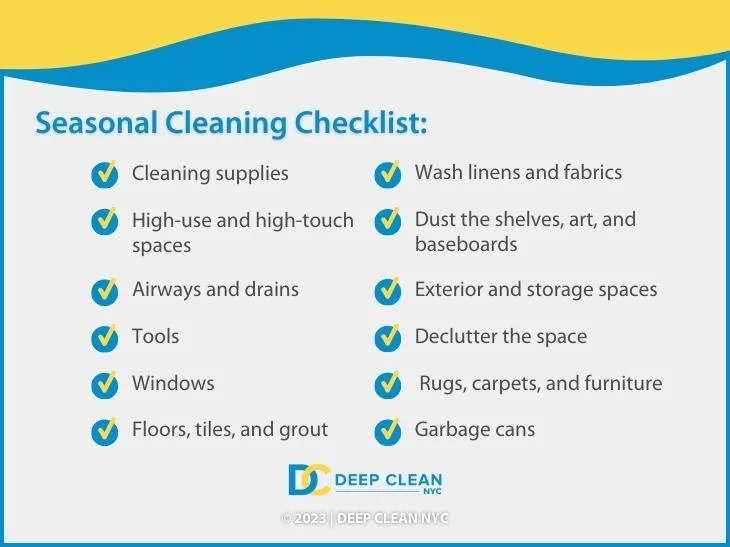
Mapping out what needs focus each season—like washing pet bedding in summer or vacuuming more frequently in winter—turns deep cleaning from a daunting task into straightforward maintenance. It also ensures that no critical area gets overlooked.
Room-by-Room Deep Cleaning Guide
Living Areas: Tackling Pet Hair, Dander, and Odors
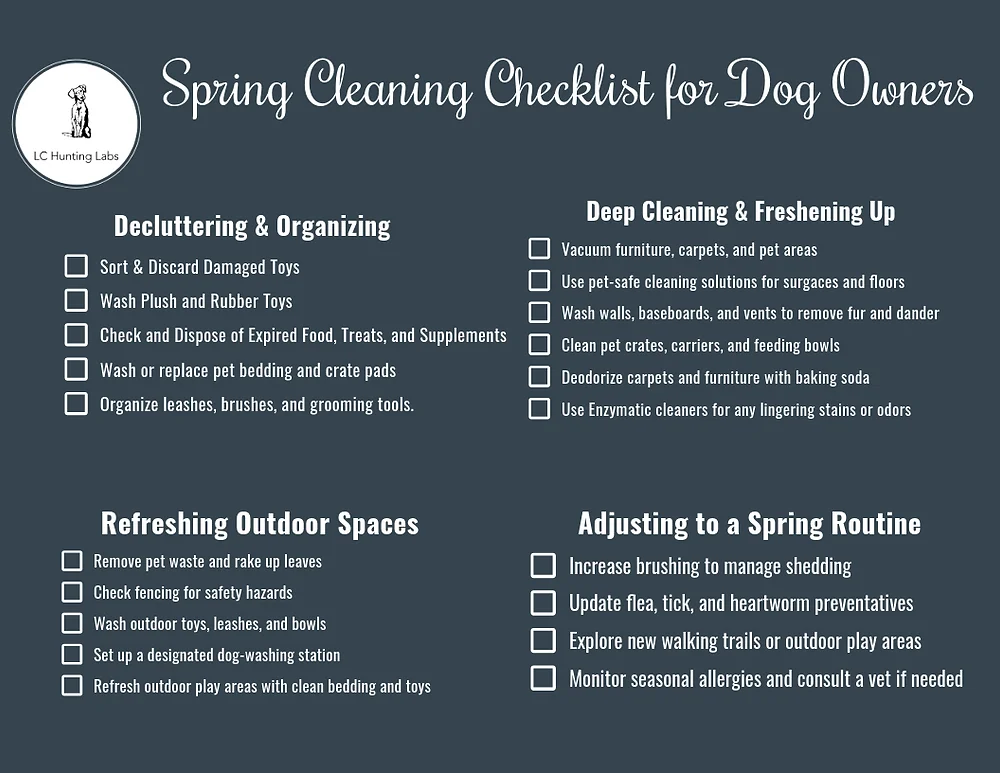
Living areas are often the hub of activity for both pets and family. These spots frequently have pet hair embedded in couches, rugs, and curtains. Pay extra attention to your dog’s favorite spots on the couch or rug, as they tend to collect more fur and odors over time.
Start with vacuuming using a HEPA filter-equipped machine and follow up with a damp cloth to dust surfaces. This two-step approach minimizes allergens that can float back into the air. Using natural deodorizers like baking soda or vinegar in cleaning solutions can help neutralize pet odors without harsh chemicals.
Bedrooms: Reducing Allergens for Better Sleep
Bedrooms require special care since they are places of rest and recovery. Dust mites thrive in bedding, and pet dander can accumulate on sheets and pillows. Wash pillowcases and bedsheets weekly in hot water to keep dust mites and allergens at bay.
Consider covering mattresses and pillows with allergen-proof covers to create a protective barrier. A clean resting space not only improves air quality but also reduces skin irritation and enhances sleep quality for everyone in the household.
Pet Zones: Cleaning Beds, Toys, and Feeding Areas Thoroughly
Pet areas need regular attention since they can harbor dirt, bacteria, and accumulated allergens. Wash pet beds often using pet-safe detergents and expose them to sunlight when possible to combat bacteria and odors. Rotating toys regularly keeps your pet’s environment fresh and engaging while reducing wear and tear that can trap allergens.
Don’t forget feeding areas. Clean bowls daily and wipe down the surrounding floor to prevent buildup of food particles and bacteria that can attract pests or create unpleasant smells. Routine cleaning supports your dog’s health and comfort in these dedicated spaces.
Outdoor Spaces: Managing Allergens Outside the Home
Outdoor spaces can also contribute to indoor allergens if not properly maintained. Sweep patios and decks to clear dirt and leaves that pets may track inside. Wash outdoor pet bedding and clean areas where your pets spend time outside to limit allergen transfer indoors.
By managing the outdoor environment, you can reduce the amount of dirt and allergens brought into your home, helping to maintain a cleaner, healthier interior throughout the year.
Specialized Techniques to Minimize Pet Allergens During Cleaning
Vacuuming with HEPA Filters and Proper Methods
Vacuuming is a cornerstone of allergen control, but doing it right is just as important as doing it often. HEPA filters trap microscopic dust particles and pet dander that ordinary vacuums might miss. After vacuuming, it’s wise to leave the room for about 30 minutes to allow dust to settle, preventing immediate re-exposure.
Move slowly and methodically over all surfaces, focusing on edges and under furniture. Regular vacuum maintenance, such as changing bags or emptying canisters, ensures maximum suction and effectiveness.
Washing Pet Fabrics and Soft Surfaces
Soft surfaces like cushions, curtains, and pet blankets can harbor significant allergens. Washing these items frequently with mild, chemical-free detergents helps keep allergen levels low. For fabrics that can’t be machine washed, consider spot cleaning with pet-safe sprays or steaming to kill bacteria and allergens.
Damp dusting and wiping down surfaces with a moist cloth prevents dust from becoming airborne during cleaning, which can otherwise make allergies worse. This gentle but thorough technique complements washing to maintain a healthy home environment.
Air Purification and Ventilation Tips
Fresh air circulation is vital for reducing indoor allergens. Open windows when weather permits to allow fresh air to refresh your living space. Using air purifiers with HEPA filters can further reduce airborne pet dander and dust mites.
Proper ventilation not only helps expel allergens but also prevents the buildup of moisture that can lead to mold, another allergen source. Regularly changing HVAC filters and ensuring good airflow supports a clean, allergen-reduced home year-round.
Post-Cleaning Maintenance to Keep Allergens at Bay
Regular Grooming Routines to Reduce Dander
One effective way to control allergens is by reducing the source—your pets. Regular grooming, including brushing and bathing, minimizes dander and loose hair. This also benefits your pet by keeping their skin healthy and reducing irritation.
Maintaining your pet’s hygiene can complement your cleaning efforts, lowering the frequency and intensity of deep cleans while supporting your pet’s overall health and comfort.
Daily Habits for Maintaining a Clean, Allergen-Reduced Home
Small daily habits make a big difference. Wiping down surfaces, regular spot cleaning of pet areas, and prompt removal of fur and dirt help keep allergens in check. Consider setting aside a few minutes each day to tidy pet play zones and living spaces.
Maintaining an ongoing effort prevents allergens from accumulating to problematic levels and keeps your home fresh and inviting for both your family and pets.
Tools and Products Recommended for Pet Owner Deep Cleaning
Best Vacuums, Mops, and Cleaning Solutions
When selecting cleaning tools, choose a vacuum with a HEPA filter to trap tiny allergens effectively. Microfiber mops and cloths are perfect for damp dusting and hard floors, capturing dust without scattering it around.
For cleaning solutions, pet owners should lean toward non-toxic, natural products that avoid harsh chemicals. Ingredients like vinegar, baking soda, and essential oils can be powerful allies in odor control and sanitizing without risking your pet’s health.
Natural vs. Chemical Cleaners: What Is Safer for Pets?
While chemical cleaners may promise quick results, their residues can irritate pet skin, respiratory systems, or even cause toxicity. Natural cleaners, on the other hand, offer safer alternatives that still tackle bacteria and allergens effectively.
Choosing chemical-free options is one of the best preventative measures for maintaining a healthy environment. These eco-friendly choices protect you, your pets, and help prevent recurring problems like mold and persistent odors.