



















Understanding the Basics of Holiday Spice Cookies
Key Ingredients for Moisture and Flavor
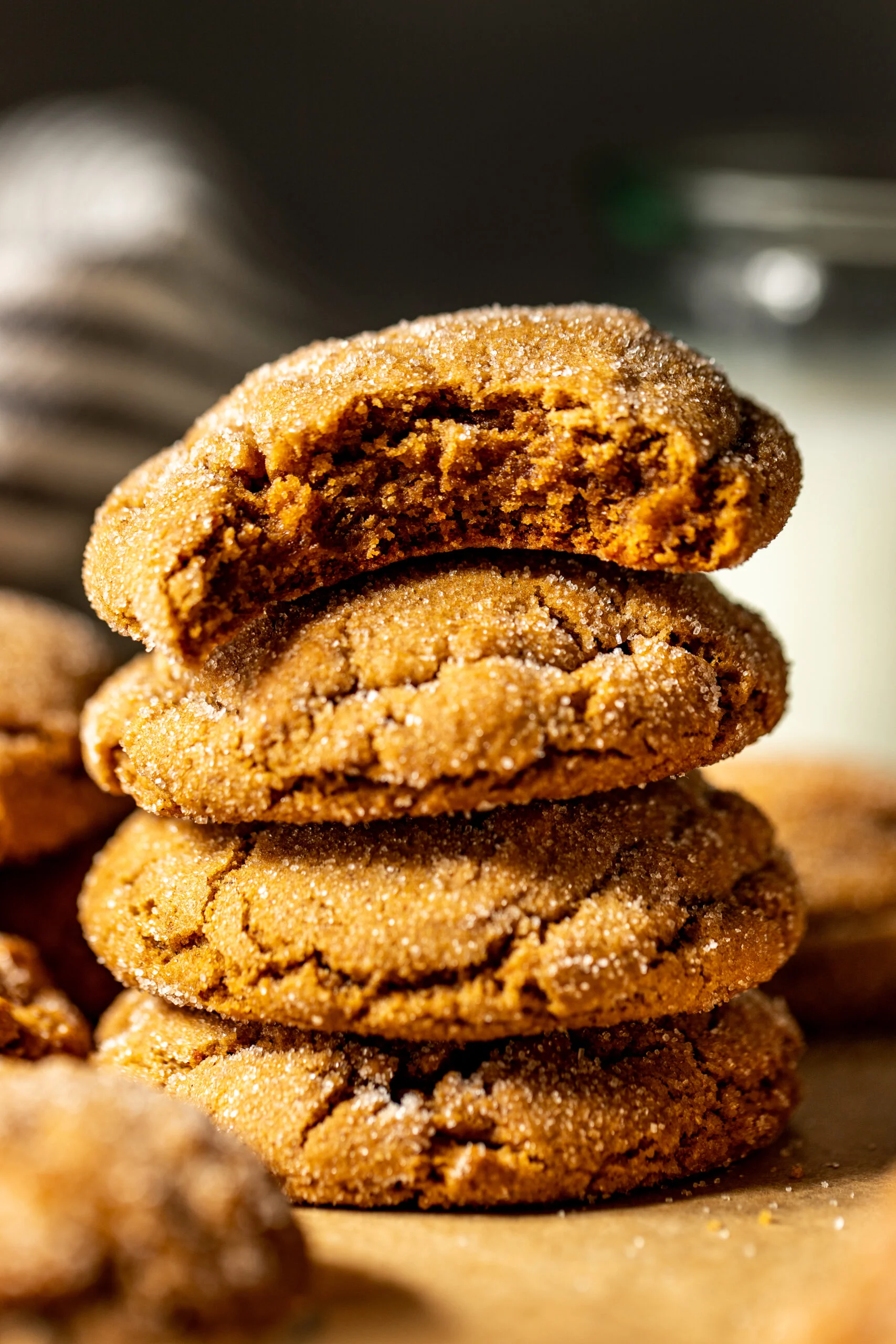
Holiday spice cookies are beloved for their comforting blend of warm spices and soft, chewy texture. However, many home bakers struggle to achieve that perfect moistness without sacrificing structure. One common issue is improperly measuring flour, which can lead to dense, dry cookies. Using the right type and amount of sugar, particularly dark brown sugar, is crucial as it contributes to chewiness and moisture retention. Butter at room temperature ensures better creaming with sugar, incorporating air that helps create a tender crumb. Eggs also play an important role by emulsifying the dough, binding ingredients, and trapping moisture during baking.
Choosing the Right Spices: Best Combinations
A defining feature of holiday spice cookies is their aromatic spice blend. Cinnamon, nutmeg, ginger, and cloves are classic choices that provide warmth without overpowering the natural sweetness of the cookie. Balancing these spices is essential; too much of one can overshadow others or become bitter. The problem arises when spices are added indiscriminately or in large amounts, which can make cookies unpleasantly harsh. To avoid this, start with small, measured quantities and adjust slowly to find a harmonious mix that enhances overall flavor without overwhelming the palate.
Step-by-Step Baking Tips for Perfect Texture
Mixing Techniques to Retain Moisture
Achieving moist and fluffy holiday spice cookies depends heavily on how the dough is mixed. Overmixing dry ingredients leads to gluten development, resulting in tough cookies. This is a common mistake that dampens tenderness. To prevent this, mix dry ingredients on low speed just until combined. For the wet ingredients, creaming butter and sugar on high speed for about two minutes until pale and fluffy incorporates air that elevates texture. Similarly, mixing eggs thoroughly on high speed emulsifies the dough, which helps trap moisture evenly. These steps ensure the cookies remain soft and tender once baked.
The Ideal Baking Time and Temperature
Many bakers face the frustration of cookies that are either underbaked and doughy or overbaked and dry. Timing is critical; removing cookies from the oven too late can cause them to lose moisture rapidly. The best practice is to take cookies out when their edges are golden and slightly wrinkled but the centers are still pale and puffed. Cookies will continue to set as they cool, flattening and darkening slightly outside the oven. Baking at a moderate temperature allows gradual cooking and prevents rapid moisture loss, contributing to a soft interior and crisp edges.
Enhancing Flavor and Freshness Post-Baking
Using Glazes and Icing for Added Moisture
After baking, holiday spice cookies can sometimes feel dry if left plain. A simple solution is to glaze or ice the cookies, which not only enhances appearance but also adds a layer of moisture that keeps them tender longer. Sugar-based glazes with a hint of spice or citrus complement the cookie flavors while sealing in moisture. Applying glazing or icing while the cookies are completely cooled is important to avoid melting or sogginess. This technique also allows the flavors to meld and intensify over time, making your cookies taste fresh for days.
Storing Cookies to Maintain Softness
Even perfectly baked cookies can lose their softness if stored incorrectly. Exposure to air quickly dries them out, making them crumbly and unappealing. The key is to store holiday spice cookies in an airtight container as soon as they have cooled. For added moisture retention, placing a slice of bread inside the container can help keep cookies soft by releasing gentle humidity. Additionally, dough can be chilled or frozen before baking, which not only improves flavor development but also allows you to bake fresh batches on demand, preserving optimal texture and taste.
Creative Variations and Add-Ins
Incorporating Nuts and Dried Fruits
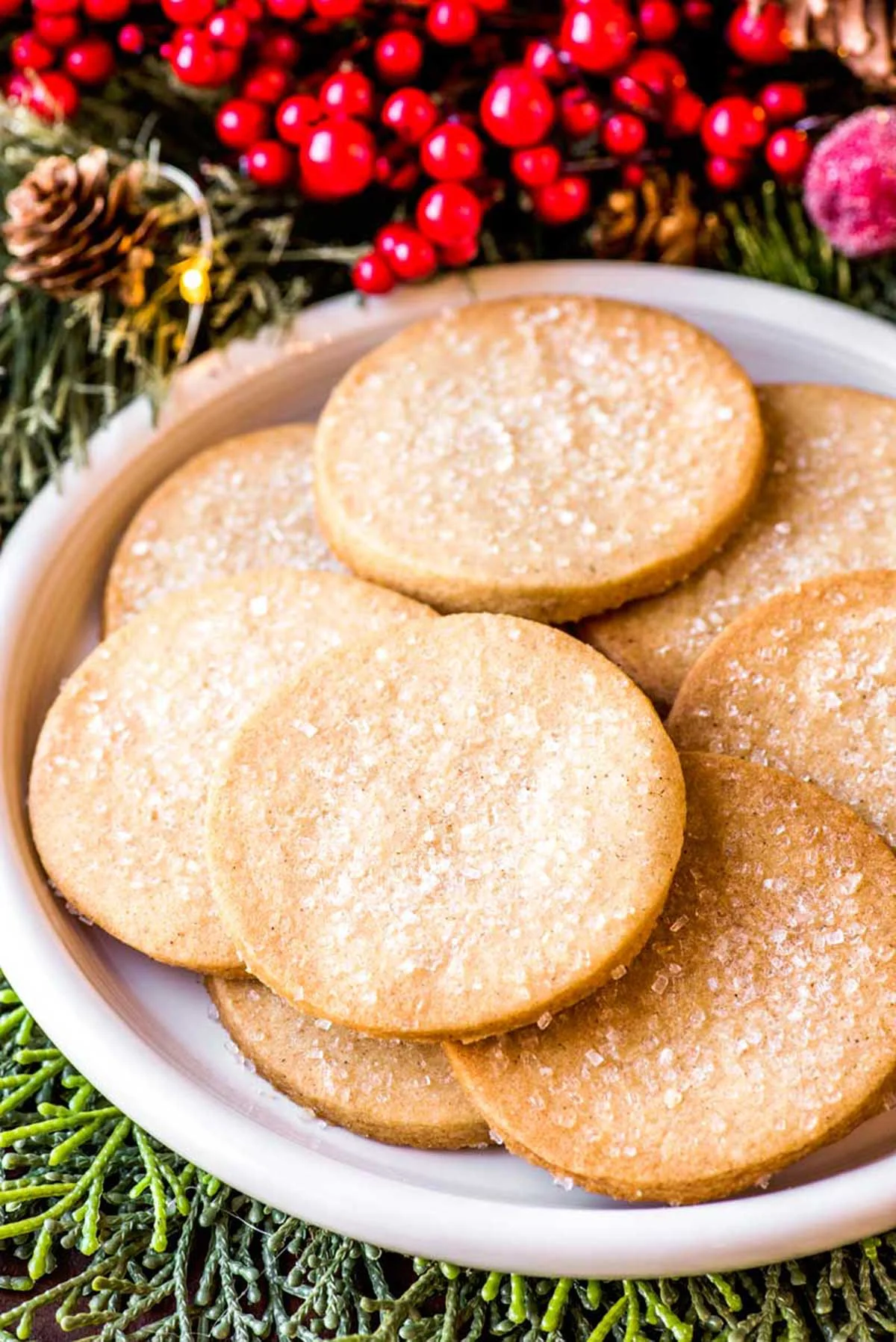
Adding nuts and dried fruits to holiday spice cookies brings exciting texture contrasts and added richness. However, careless inclusion can disrupt cookie structure or make the dough too wet. To avoid these issues, chop nuts into uniform sizes and choose dried fruits that are not overly moist or sticky. These ingredients also contribute to moisture by releasing oils and natural sugars during baking, enhancing overall softness. This method lets you customize cookies to your taste while maintaining their signature fluffiness and spice harmony.
Experimenting with Alternative Sweeteners
Traditional recipes often rely on granulated and brown sugar, but alternative sweeteners can introduce unique flavors and health benefits. Molasses, maple syrup, or coconut sugar are popular options for holiday spice cookies, each impacting moisture and flavor differently. A common pitfall is substituting without adjusting liquid or flour ratios, which may result in overly dense or dry cookies. Therefore, it is important to experiment carefully and balance ingredients to retain softness. Vegan butter can also be used as a substitute for dairy to accommodate dietary preferences without compromising texture.
Bonus: Troubleshooting Common Cookie Problems
Why Your Cookies Turn Out Dry and How to Fix It
Dry holiday spice cookies typically result from using too much flour, overbaking, or insufficient fat content. One frequent cause is inaccurate flour measurement; scooping directly from the bag compresses flour, leading to excess. To fix this, weigh flour or spoon it lightly into your measuring cup before leveling. Ensure butter is fully softened for better creaming, and avoid baking beyond the point where edges turn golden brown and centers are still soft. If dry cookies have already been baked, lightly brushing them with syrup or wrapping them with a moist paper towel in an airtight container can restore some moisture.
Tips for Reviving Stale Cookies
Even well-stored cookies can become stale over time, losing their freshness and chewiness. Rather than discarding them, revival is possible by gently reheating. Placing cookies in a warm oven for a few minutes or microwaving them with a damp paper towel can soften their texture by reintroducing moisture. Another approach is pairing stale cookies with fresh, moist treats like milk or fruit preserves to mask dryness. These quick fixes help extend the enjoyment of holiday spice cookies long after baking day.