


















Understanding the Science Behind Crispy Chicken Skin
The Role of Moisture and Heat in Skin Crisping
Crispy chicken skin is a result of a delicate balance between moisture evaporation and intense heat. When chicken skin is cooked, the moisture within it begins to evaporate, allowing the skin to dry out. This drying process is essential because water content hinders the browning and crisping that we desire. Once enough moisture has evaporated, the high heat causes the proteins and fats in the skin to undergo the Maillard reaction, creating a golden, crunchy texture. Controlling the moisture level and ensuring appropriate heat exposure are the foundational steps to achieving perfectly crispy chicken skin.
Why Traditional Frying Isn’t the Only Option
While frying chicken in hot oil is a well-known way to get crispy skin, it isn’t the only method to achieve this culinary delight. Oven-baking offers a cleaner, less messy alternative that eliminates the need for large amounts of oil and the hazards of hot splatter. Additionally, baking allows for more even heat distribution around the chicken, especially when using racks, which helps dry out the skin naturally. This method maintains all the crispy qualities without the added oiliness or extra calories from frying. Understanding this gives home cooks a more convenient and healthy option for enjoying crispy chicken skin.
Preparing Your Chicken for Maximum Crispiness
Choosing the Right Chicken Cuts
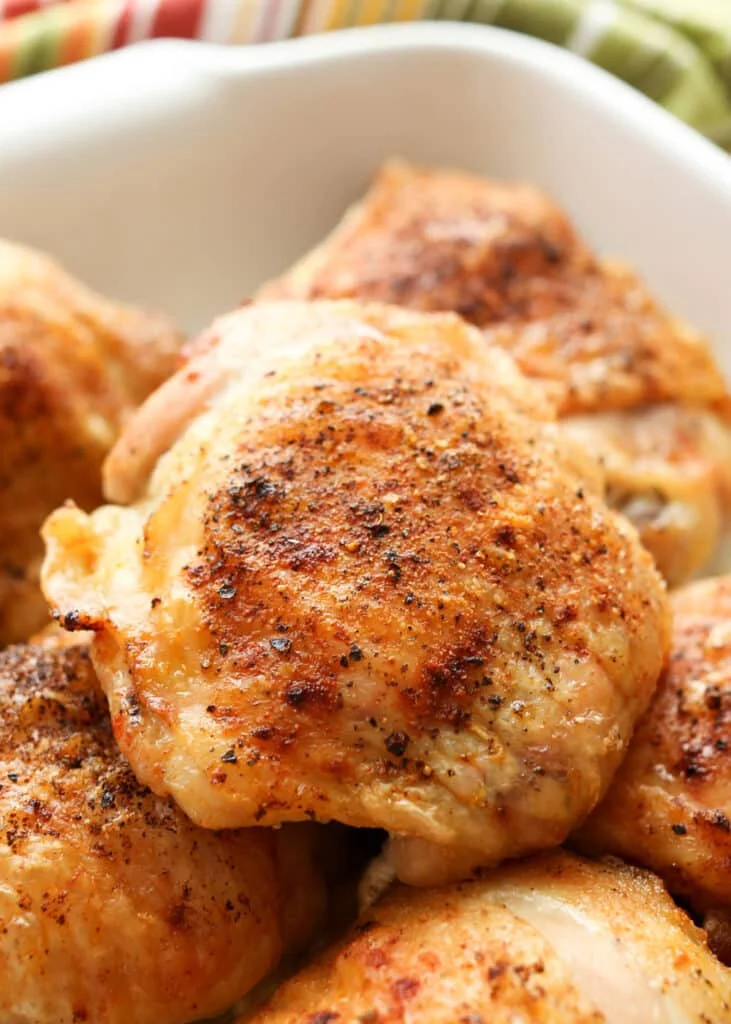
Not all chicken pieces crisp the same way, so selecting the right cuts is crucial. Skin-on, bone-in pieces like thighs and drumsticks generally offer better flavor and have a higher fat content beneath the skin, which promotes crispiness when rendered during cooking. Breast pieces can crisp as well, but they are leaner and require more attention to moisture removal. Choosing cuts with skin intact is the first step towards crispy perfection.
Effective Dry Brining Techniques
Dry brining, which involves salting the chicken ahead of time without added water, is an effective way to enhance both flavor and skin texture. The salt draws moisture out of the skin initially but then reabsorbs it back into the meat, seasoning it from within. More importantly, this process helps to dry out the surface skin layer, which promotes better crisping during baking. It’s advisable to sprinkle salt evenly and allow the chicken to rest uncovered in the refrigerator for several hours or overnight. This slow drying process is essential for superior crispiness.
Removing Moisture: The Key Step
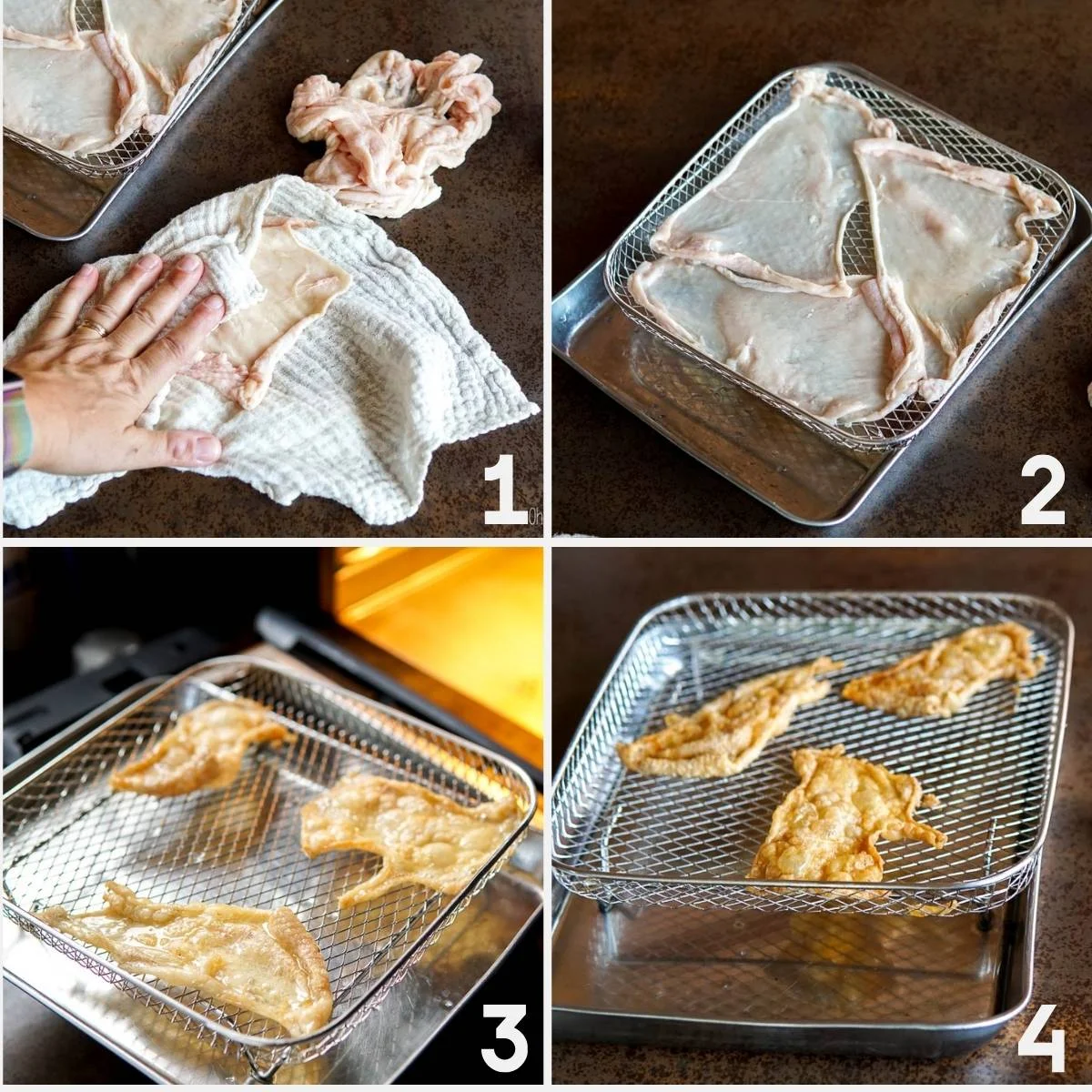
Before cooking, patting the chicken dry with paper towels cannot be overstated. Any excess surface moisture will steam during cooking, which inhibits the skin from crisping properly. In some cases, letting the chicken air dry uncovered in the fridge for a few hours intensifies this effect by further reducing moisture. This simple but critical step sets the stage for an irresistibly crunchy skin without needing to fry.
Proven Oven Techniques for Perfectly Crispy Skin
Ideal Oven Temperatures and Settings
Baking the chicken at the right temperature is essential to crisping the skin while keeping the meat juicy. Cooking at moderate to high temperatures, typically between 400°F and 425°F (200°C to 220°C), helps the skin render fat and brown nicely. Lower temperatures may cook the chicken through but won’t achieve that desirable crunch. Consistency in oven heat is important, so preheating thoroughly is a must for even results.
Using a Rack to Promote Airflow
Placing the chicken on a wire rack inside the baking pan allows hot air to circulate around every side of the meat, preventing sogginess caused by sitting in its own fat or juices. This elevated position encourages even cooking and crisping by allowing excess fat to drip away. Without a rack, the skin in contact with the pan stays moist, reducing the overall crispy texture. Using a rack is a simple yet effective technique to maximize airflow and skin crunchiness.
Finishing with the Broiler for Extra Crunch
For those who want an extra layer of crispiness, finishing the chicken briefly under the broiler can help. After baking, placing the chicken a few inches from the broiler heating element for two to three minutes intensifies the browning on the skin. However, this step requires close attention to avoid burning. It’s best done after the chicken has fully cooked through and rested, ensuring a crunchy finish without overcooking the meat.
Enhancing Flavor While Keeping the Skin Crispy
Seasoning Methods that Don’t Add Moisture
Seasoning the chicken properly is important to flavor, but it’s critical to use dry seasonings only on the skin to maintain crispness. Wet marinades or sauces can saturate the skin, preventing it from drying out and crisping. A simple drizzle of oil combined with salt and pepper is often enough to draw out great flavor without compromising texture. Optional dry spices like paprika or granulated garlic can be added for extra aroma and depth without adding unwanted moisture.
Herbs and Spices That Complement Crispy Skin
Herbs and spices can bring exciting flavor profiles while keeping the skin crisp. Paprika lends a smoky sweetness and enhances color, while cayenne pepper adds a subtle hint of heat. Granulated garlic and onion powder introduce savory notes without wetness. Fresh herbs are best added after baking or right before serving to maintain their freshness without inhibiting the crisping process. Using these seasonings thoughtfully allows for a flavorful, crunchy bite every time.
Bonus Tips and Tricks
Using Oils and Butters Strategically
Choosing the right fat for coating the chicken boosts both flavor and browning. Butter is often preferred because it promotes a golden crust and rich taste, though canola or other neutral oils work well too if you want a lighter flavor. Applying a thin drizzle evenly over the skin before baking ensures that the heat promotes crisping without drowning the skin in oil. This strategic use of fats enhances texture and taste in a balanced way.
Resting Time: Why It Matters for Crispiness
Allowing the chicken to rest for about five minutes after baking is vital for maintaining crispy skin. Resting lets the juices redistribute within the meat, keeping it moist, and importantly, allows the steam to settle so the skin remains dry and crunchy. Serving chicken immediately after resting delivers the best eating experience, as the crispy texture can diminish if it sits too long. Quick plating and serving maximize the crunchy enjoyment.