




















Why Chicken Stir-Fry is the Ultimate Weeknight Dinner
When the day feels long and the evening demands something quick yet satisfying, chicken stir-fry stands out as the ultimate weeknight dinner. It strikes a perfect balance between speed, nutrition, and incredible flavor. Stir-fries are known for bringing vibrant colors and textures to your plate, and the flexibility of ingredients means you can tailor the dish to whatever you have on hand. Best of all, a well-made chicken stir-fry can be on your table in just 30 minutes, making it an excellent choice for anyone juggling busy schedules.
Nutritional Benefits of Chicken Stir-Fry
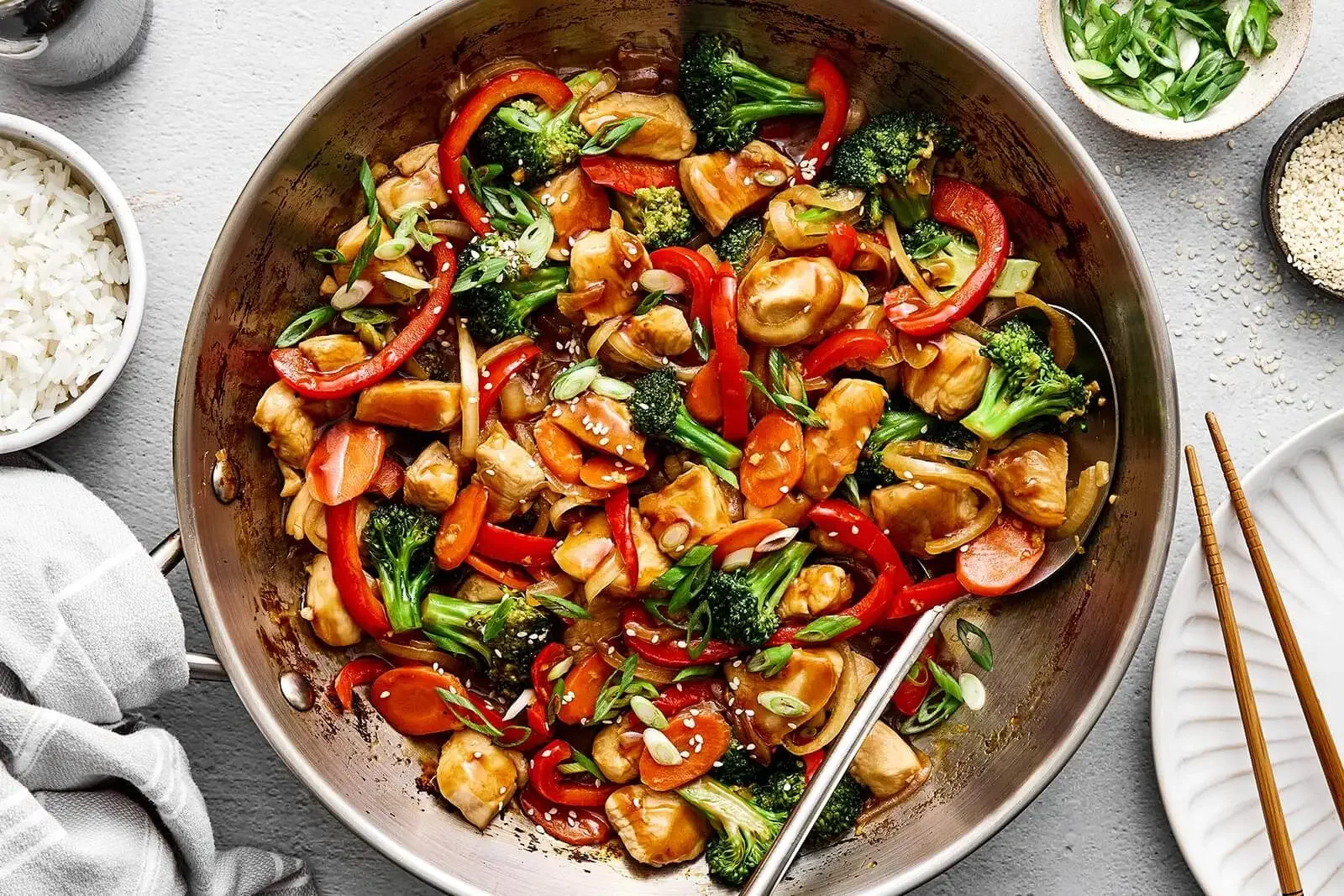
Chicken is a fantastic source of lean protein, necessary for muscle repair and overall health, while vegetables provide an array of vitamins, minerals, and fiber. Stir-frying preserves the freshness and crunch of the veggies since they cook quickly over high heat, locking in nutrients. This method avoids the heavy oils and long cooking times that can sap the nutritional value. Adding aromatics like garlic and ginger not only enhances the taste but also contributes antioxidants and anti-inflammatory properties. When paired with whole grains like brown rice or quinoa, this meal becomes a balanced powerhouse that fuels your body without weighing you down.
Time-Saving Advantages for Busy Lifestyles
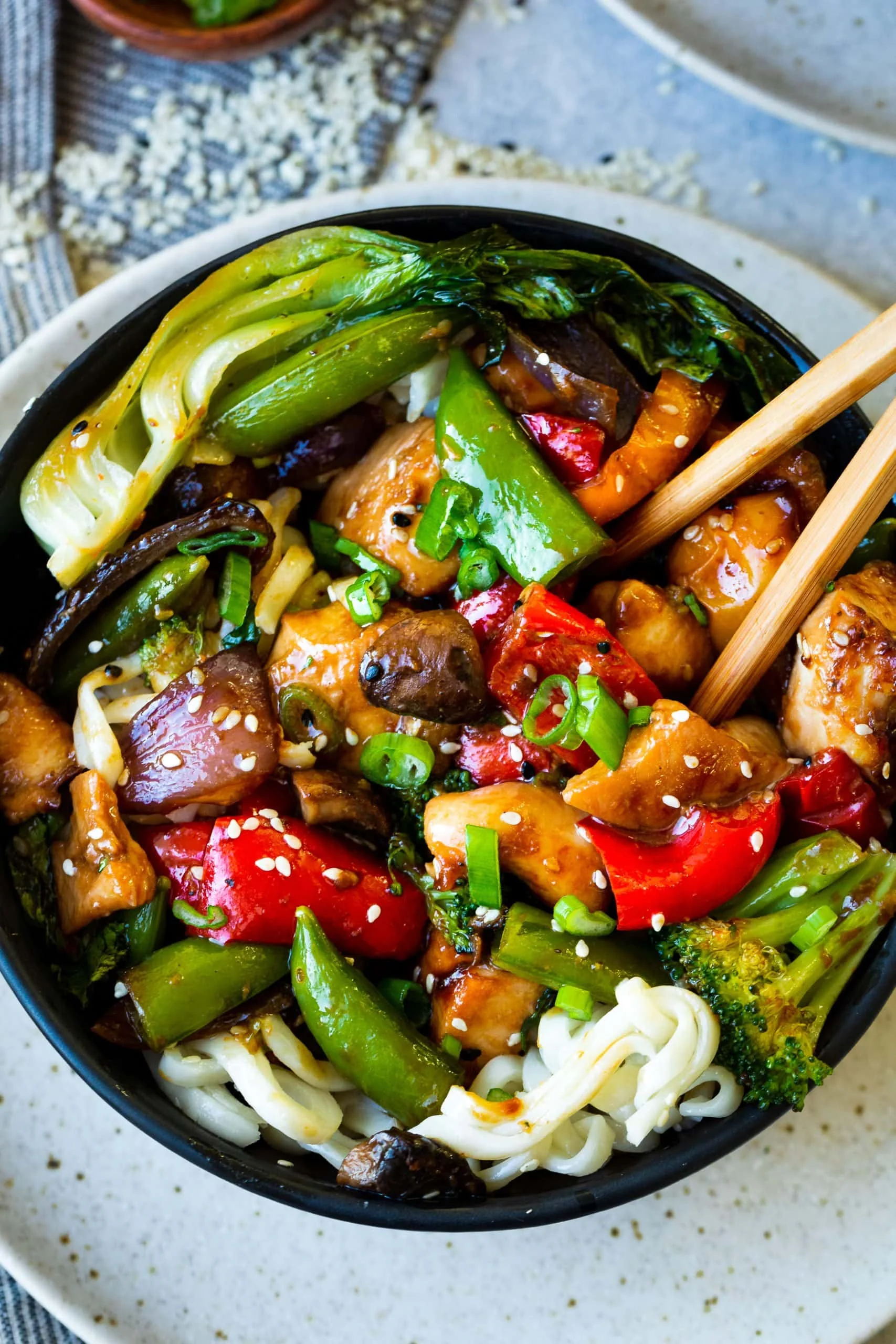
One of the biggest draws to chicken stir-fry is how efficient it is. From prep to plate, you can often finish within half an hour, which is a blessing on busy weeknights. Using just one skillet helps reduce cleanup time, and techniques like cutting vegetables uniformly and precooking your rice or noodles enable the whole process to flow smoothly. Keeping essentials like minced garlic and ginger paste on hand also shaves off minutes in the kitchen. Plus, stir-fries are incredibly versatile. You can throw in whatever vegetables or sauces you want, making it a go-to for using up leftovers without sacrificing taste.
Essential Ingredients for Quick Chicken Stir-Fry Recipes
Choosing the Best Chicken Cuts
For fast cooking and tender results, chicken breasts and thighs are your best bets. Breast meat offers a leaner option, while thighs tend to be juicier and more forgiving if slightly overcooked. Make sure to slice the chicken thinly and evenly to ensure it cooks through quickly and uniformly. Seasoning the chicken simply with salt and pepper before cooking enhances its natural flavor while preparing the stir-fry sauce separately keeps the cooking process organized and efficient.
Must-Have Vegetables and Sauces
The beauty of a chicken stir-fry lies in its colorful, crunchy vegetables. Traditional combos like broccoli, bell peppers, and carrots provide texture and sweetness, but don’t be afraid to mix it up. Snow peas, mushrooms, baby corn, or green beans all make excellent additions that elevate the dish. Sauces are critical to tying the flavors together; soy sauce is fundamental, but a splash of toasted sesame oil adds that subtle Asian flair. For glazing, a simple blend of honey and soy sauce works wonders, while spicy versions often include chili oil or red pepper flakes. Serving your stir-fry over rice, chow mein noodles, or quinoa creates a wholesome, filling meal.
Staple Spices and Aromatics
Garlic and ginger are the stars here, offering warmth and zest that define the stir-fry experience. Adding them toward the end of vegetable cooking maximizes their impact without burning. Other spices like black pepper, crushed red pepper flakes, or even a dash of five-spice powder can deepen the flavor profile. Fresh herbs such as cilantro and sliced green onions make fantastic garnishes, lending brightness just before serving. For a little crunch, crushed peanuts on top bring texture and an extra layer of savory flavor.
Step-by-Step Guide to Preparing a 30-Minute Chicken Stir-Fry
Prepping Ingredients for Maximum Efficiency
Successful stir-frying begins long before the pan hits the stove. Spend a few minutes chopping vegetables uniformly, slicing chicken into thin strips, and measuring out sauces. Having everything within arm’s reach—what chefs call mise en place—avoids scrambling during cooking. Minced garlic and ginger paste, if kept ready in your fridge, save crucial prep time. While cutting veggies might seem tedious, it actually helps them cook evenly and quickly, meaning you’ll enjoy that fresh crunch without waiting around.
Cooking Techniques to Speed Up Stir-Frying
Start by heating a large skillet or wok over medium-high heat. Use one pan to keep things simple and healthy, preventing excess oil buildup. Cook the chicken first after seasoning it with salt and pepper, allowing the pieces to brown nicely before adding vegetables. Introduce sturdier vegetables like broccoli and carrots first, followed by softer ones. Add garlic and ginger toward the end to release their aroma without burning. Stir constantly to avoid sticking and ensure even cooking. Meanwhile, cook noodles or rice separately to save time, combining everything just before serving.
5 Quick and Easy Chicken Stir-Fry Recipes
Classic Garlic Ginger Chicken Stir-Fry
This straightforward recipe highlights the fundamentals. Chicken is sautéed with broccoli, bell peppers, and carrots, all tossed in a generous splash of soy sauce, plus minced garlic and ginger toward the end. A drizzle of toasted sesame oil adds that signature scent. Serve over brown rice and garnish with green onions for a simple yet flavorful meal that anyone can whip up in half an hour.
Spicy Szechuan Chicken Stir-Fry
For those who crave heat, the spicy Szechuan stir-fry brings a fiery kick. Chicken and crisp vegetables are cooked with chili oil and red pepper flakes, balanced by soy sauce and a touch of sugar. Adding garlic and ginger boosts the spicy depth, while garnishing with fresh cilantro cools things down with a fresh note. Perfect for busy nights when you want dinner with a punch.
Honey Soy Glazed Chicken with Vegetables
A sweeter take on the classic, this stir-fry uses a honey-soy glaze that sticks beautifully to tender chicken pieces and a medley of fresh veggies. Bell peppers, snap peas, and baby corn add crunch and color. The glaze caramelizes slightly in the pan, creating a shiny, irresistible finish. Serve it with jasmine rice or noodles for an enjoyable weeknight treat.
Thai Basil Chicken Stir-Fry
This recipe infuses the dish with aromatic Thai basil, deepening the flavor profile beyond the usual soy and sesame. Chicken mingles with onions, bell peppers, and fresh basil leaves, sautéed quickly to keep the flavors vibrant. A splash of fish sauce and a squeeze of lime juice provide authenticity and brightness. It’s a refreshing variation that still stays true to the 30-minute promise.
Teriyaki Pineapple Chicken Stir-Fry
Sweet and savory collide in this tropical-inspired dish. Chicken is cooked with bell peppers and pineapple chunks, then coated in a glossy teriyaki sauce. The juicy pineapple adds natural sweetness and a tender bite, contrasting beautifully with the vegetables’ crunch. It’s an easy way to introduce some flair into your weekly rotation without complicated steps.
Tips to Customize Your Stir-Fry for Dietary Preferences
Gluten-Free and Low-Carb Option Ideas
To keep your stir-fry gluten-free, swap out regular soy sauce for tamari or coconut aminos, both excellent alternatives without gluten. Serve over cauliflower rice or spiralized zucchini noodles instead of traditional rice or chow mein noodles for a low-carb version that still feels satisfying. Be mindful of sauces and store-bought ingredients, as many contain hidden gluten or sugars. Keeping freshly made or simplified sauces gives you better control over dietary needs.
Vegetarian Substitutions and Add-ons
If you prefer a plant-based meal, tofu is a fantastic substitute for chicken. Firm or extra-firm tofu cubes sautéed until golden work well, soaking up stir-fry sauces beautifully. Tempeh or seitan are also great options for added texture and protein. Swap chicken broth for vegetable broth in the sauce, and load up on colorful veggies like mushrooms, snap peas, baby corn, and cauliflower to keep the dish hearty. Nuts and seeds can also add crunch while boosting nutrition.
How to Store Leftover Chicken Stir-Fry Safely
Best Practices for Refrigeration and Reheating
Leftover chicken stir-fry keeps well and can be a lifesaver for quick lunches or dinners later in the week. Store it in an airtight container and refrigerate promptly; it’s best consumed within four days for optimal freshness and safety. When reheating, do so thoroughly either on the stovetop or in the microwave, adding a splash of water or broth to rehydrate the sauce if needed. Avoid reheating multiple times to maintain quality and prevent spoilage. With proper storage, your stir-fry remains just as delicious and convenient the next day.