




















Why Quick and Nutritious Dinners Matter for Large Families
Challenges Faced by Large Households
Feeding a large family daily comes with unique challenges. Preparing meals must be efficient to save time yet large enough to satisfy everyone’s appetite. Balancing nutritional needs adds complexity, as members may have diverse tastes and dietary requirements. Without quick, wholesome options, families may resort to convenient but less healthy fast foods, which can impact long-term health.
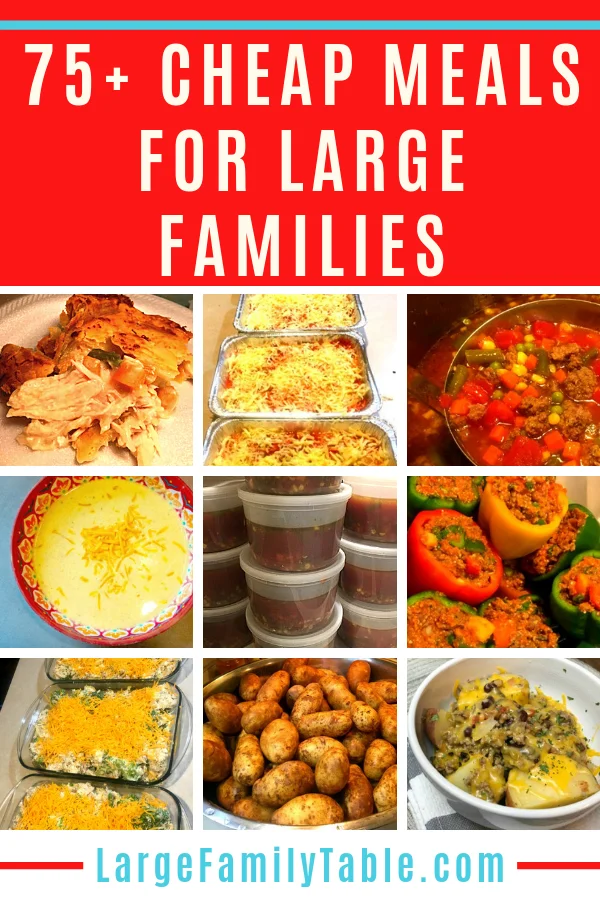
Benefits of Fast, Healthy Meals
Quick and nutritious dinners provide energy and support overall well-being, especially important for growing children and busy adults. These meals reduce kitchen stress, foster family togetherness during dinner, and encourage healthy eating habits. Prioritizing speed without sacrificing nutrition ensures time for other activities while promoting a balanced diet.
Key Ingredients to Keep On Hand for Speed and Nutrition
Staples for Balanced Meals
Stocking your kitchen with whole and minimally processed foods is essential. Fresh produce, organic meats, seafood, eggs, nuts, seeds, limited oils, dairy, and grains form the foundation of balanced meals. Including a variety of these ingredients helps cater to different tastes and provides essential nutrients.
Time-Saving Pantry Essentials
Keeping pantry staples like canned beans, lentils, quinoa, brown rice, and pre-made sauces can cut down meal prep times significantly. Using items like frozen vegetables and marinated proteins adds convenience without compromising healthfulness. With these ingredients at hand, assembling a quick and nourishing dinner becomes simpler.
5 Quick Dinner Recipes Perfect for Feeding Large Families
One-Pot Chicken and Vegetable Stew
This hearty stew combines chicken, seasonal vegetables, and a flavorful broth in one pot. Minimal prep and cleanup make it ideal for busy nights. Marinating the chicken ahead elevates the taste, while adding beans or lentils boosts protein and fiber. It’s a comforting, balanced meal that pleases the whole family.
Sheet Pan Salmon with Roasted Vegetables
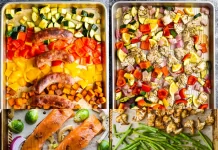
Salmon cooks quickly and pairs well with a variety of vegetables. Roasting everything together on a sheet pan keeps the process simple. Use lightly seasoned garlic lime salmon for versatile leftovers. Adding a touch of fresh herbs or a tangy lemon tahini dressing enhances flavor without extra effort.
Hearty Lentil and Quinoa Chili
Using lentils and quinoa, this chili delivers plant-based protein and complex carbs. It’s perfect for vegetarians and can be adapted to vegan or gluten-free needs. Cooking in batches allows for easy reheating, making it a reliable crowd-pleaser. Fresh toppings like avocado, tomatoes, and cilantro add brightness and nutrition.
Stir-Fried Beef and Broccoli
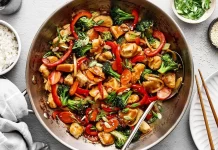
A quick stir-fry that balances protein and vegetables efficiently. Use a pressure cooker or wok to speed up cooking. Including mozzarella in broccoli beef braids or serving it as hot sandwiches adds variety. Incorporate simple sauces like chipotle marinade for extra flavor, keeping the meal exciting without complicated steps.
Vegetarian Pasta Primavera
This colorful dish blends fresh produce with pasta for a satisfying meal. Using whole grain or gluten-free pasta boosts nutrition. Incorporate dairy like cheese or add nuts and seeds for texture and healthy fats. Preparing sauces such as tzatziki or lemon tahini dressing beforehand simplifies assembly and enhances the final dish.
Tips to Adapt Recipes for Dietary Preferences and Allergies
Gluten-Free, Dairy-Free, and Vegan Variations
Adapting recipes to meet dietary needs is essential when feeding a large household. Swap regular grains for gluten-free options like quinoa or rice. Use dairy substitutes like almond milk or vegan cheese. Replace meats with plant-based proteins to accommodate vegan preferences. Always double-check labels to avoid allergens and offer variety to satisfy all family members.
How to Sneak in Extra Vegetables
Incorporating more vegetables can be subtle and effective. Adding finely chopped greens to stews or pasta sauces boosts fiber without changing flavor drastically. Using fresh ingredients like avocado and tomatoes enriches meals with vitamins and texture. Offering dishes with vibrant vegetable layers encourages kids and adults alike to enjoy diverse nutrients.
Meal Prep and Planning Strategies for Busy Families
Batch Cooking and Storage Tips
Preparing meals in large batches saves time and reduces daily stress. Chop vegetables, marinate proteins, or cook grains ahead of time for quick assembly. Use airtight containers to store portions in the fridge or freezer. Reheating healthy dishes like chili or stew maintains flavor and nutrition, making mealtime efficient without sacrificing quality.
Weekly Menu Planning for Nutrition and Variety
Planning weekly menus ensures balanced nutrition and reduces last-minute decisions. Incorporate diverse recipes that accommodate different tastes and dietary needs. Use shopping lists and prep guides to streamline grocery trips. Engaging family members in setting the table or choosing meals fosters cooperation and speeds up dinner routines.