



















Understanding the Basics of Charcoal Smoker Temperature Control
Why Consistent Temperature Matters in Smoking Meat
Achieving a consistent temperature in a charcoal smoker is crucial for producing perfectly smoked meat. When the temperature remains steady, the meat cooks evenly, allowing smoke to penetrate thoroughly, enhancing flavor and tenderness. Fluctuations can cause uneven cooking, dryness, or tough textures, undermining the smoking process. Maintaining a stable temperature ensures that your meat develops the ideal balance of smoky flavor, juiciness, and a beautiful bark.
How Charcoal Smokers Work: An Overview
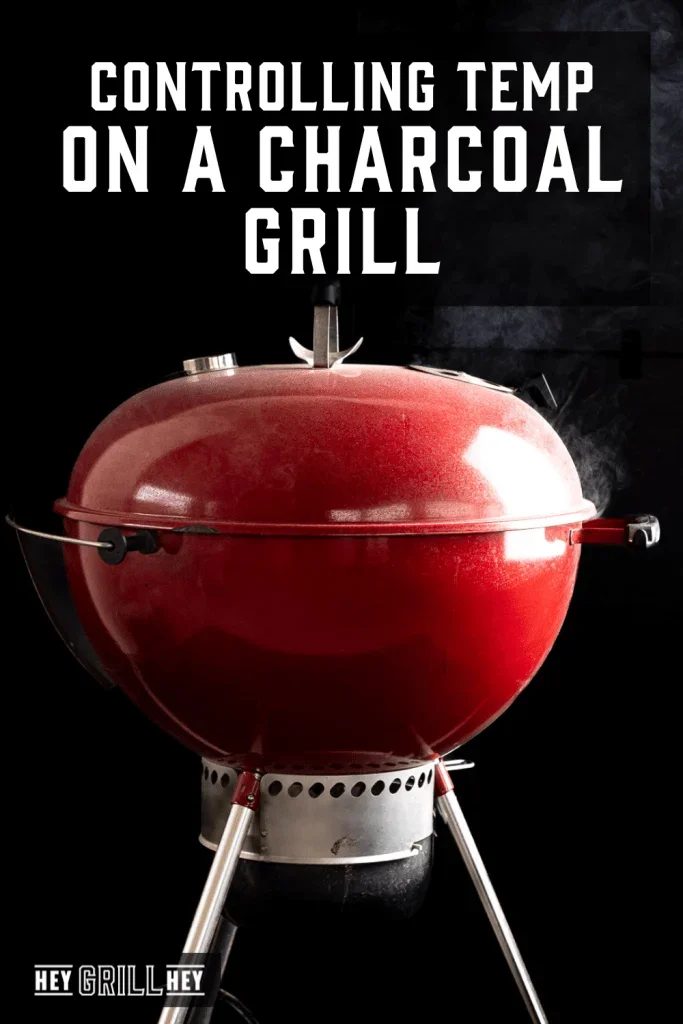
Charcoal smokers function by burning charcoal to generate heat, which is then regulated by adjusting air vents to control airflow. The charcoal provides a long-lasting heat source, while the smoke from wood chunks or chips adds flavor. The air vents control how much oxygen reaches the fire, influencing how hot the coals burn. Understanding this interaction between fuel, airflow, and heat output is essential to managing your smoker’s temperature effectively.
Preparing Your Charcoal Smoker for Temperature Stability
Choosing the Right Charcoal and Wood
The foundation of stable temperature control begins with selecting quality charcoal and wood. Lump charcoal is a popular choice due to its ability to burn at high temperatures with less ash production compared to briquettes, which can clog vents and alter airflow. For adding flavor, hardwood chunks like hickory, oak, or fruitwoods are ideal because they burn slowly and produce a clean, steady smoke. Properly seasoned wood is important; wet or green wood can create heavy, acrid smoke that may negatively impact both flavor and temperature stability.
Setting Up the Charcoal Chamber and Air Vents
How you arrange the charcoal and adjust your smoker’s vents influences the airflow and heat retention significantly. Setting up the charcoal chamber with the right amount of fuel and positioning it strategically ensures even heat distribution before cooking starts. Air vents, both intake and exhaust, should be set to allow enough oxygen to maintain a steady burn without causing the temperature to spike. Small, incremental adjustments to vents help fine-tune airflow, preventing sudden changes in heat during the smoking process.
Step-by-Step Guide to Maintaining the Perfect Temperature
Starting the Fire: Techniques for Even Heat Distribution
Beginning with a well-structured fire is key. The Minion Method is highly effective for achieving even heat over extended periods. It involves stacking unlit charcoal like dominoes and placing a small amount of lit charcoal on one end. This setup allows the fire to slowly ignite the coals in sequence, providing a steady heat source while minimizing temperature spikes. Adding wood chunks within the unlit coals further enhances smoke flavor as they gradually start to burn. Alternatively, the Log Cabin Method requires planning—stacking charcoal around a small pile of lit charcoal and allowing at least 30 minutes for the coals to heat evenly prevents hot spots and promotes temperature consistency.
Managing Airflow to Control Temperature
Once the fire is established, controlling the airflow through the vents is the primary way to regulate temperature. Opening the intake vent increases oxygen supply, causing the fire to burn hotter. Closing it slightly restricts airflow, lowering the temperature. The exhaust vent helps release smoke and heat; keeping it partially open maintains good circulation and prevents the fire from smothering. Reducing airflow too much may cause temperature drops, whereas too much can cause quick, uncontrollable spikes. It’s essential to adjust vents gradually while observing temperature changes, developing an instinct for your specific smoker’s behavior.
Adding Fuel Without Temperature Fluctuations
Adding charcoal or wood during cooking requires a delicate approach to avoid disrupting the temperature. In the Minion Method, unlit coals and wood chunks are added to the existing pile of hot coals, allowing them to ignite slowly and maintain heat. This contrasts with the common mistake of lighting an entire batch of coals at once, which can cause large temperature spikes. With methods like the Log Cabin, it’s important to add wood splits regularly but sparingly, ensuring the fire keeps burning without overwhelming the heat level. Avoid removing food from cooking grates just to add coals, as this interrupts the cooking process and leads to inconsistent heat exposure.
Using Technology and Tools to Monitor Temperature
Best Thermometers for Charcoal Smokers
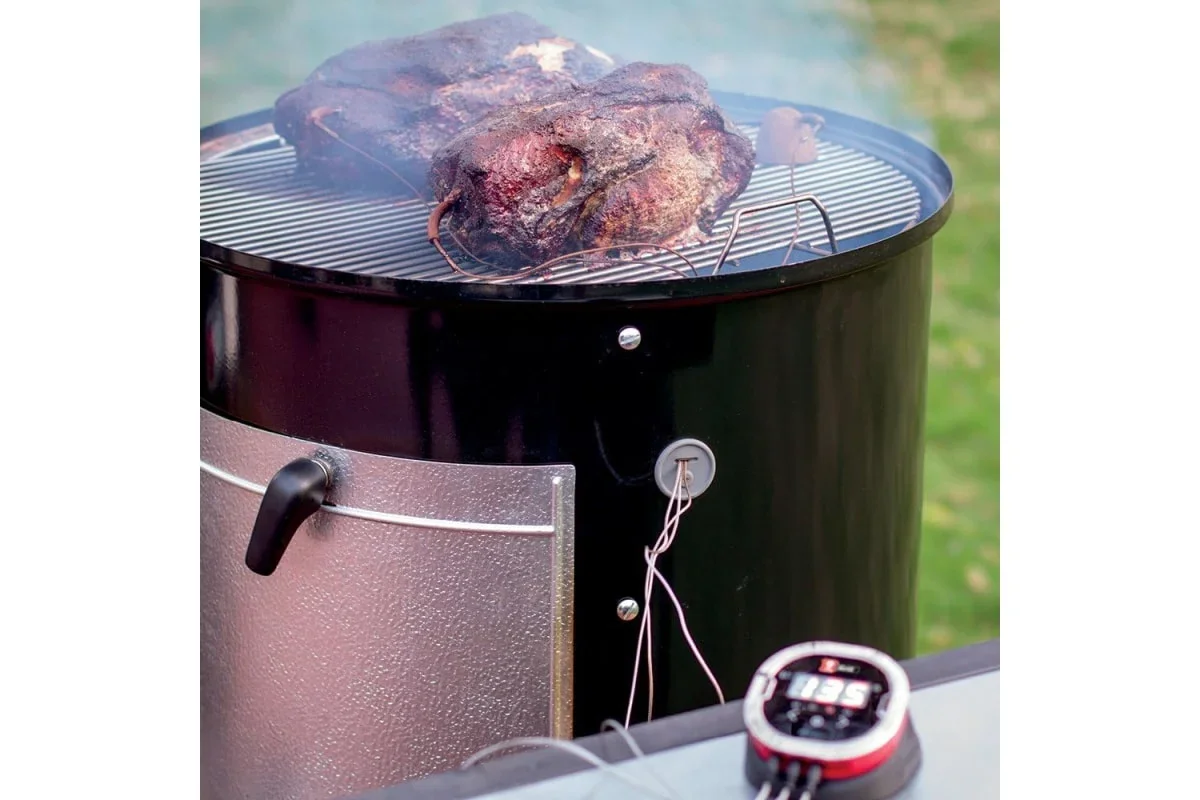
Keeping track of your smoker’s internal temperature is essential for maintaining control. High-quality digital probes with instant readouts allow for precise monitoring of both the smoker chamber and the meat temperature. Some advanced thermometers offer wireless connectivity, enabling you to check your smoker remotely and make adjustments as needed. Mechanical dial thermometers built into the smoker can be helpful but often lack accuracy, so supplementing them with a reliable digital thermometer is advisable.
How to Use Water Pans to Regulate Heat
Water pans are a simple yet effective tool for stabilizing temperature in charcoal smokers. Placing a pan of water inside the smoker helps absorb and radiate heat evenly, reducing temperature fluctuations. The water also adds humidity, preventing meat from drying out during long cooking sessions. Positioning the water pan correctly beneath or near the food creates a buffer zone that moderates the heat reaching the meat, contributing to more consistent results.
Troubleshooting Common Temperature Challenges
Dealing with Temperature Spikes and Drops
Temperature spikes often occur when too many coals are added at once or when airflow is suddenly increased. To correct this, close the intake vent slightly and avoid adding large amounts of fuel abruptly. When temperatures drop, check if the coals are extinguishing or if vents are too closed. Opening the intake vent gradually and adding small amounts of lit charcoal can help raise the temperature steadily. Patience is key; rapid adjustments can lead to further instability.
Adjusting for Weather Conditions and Wind
External weather conditions such as wind, ambient temperature, and humidity play a significant role in managing your smoker’s heat. Wind can cause unpredictable airflow, increasing oxygen supply and making it harder to maintain steady heat. Position your smoker in a sheltered spot, using windbreaks if necessary. On cold or damp days, expect to use more charcoal or adjust vents to compensate for heat loss. Learning to read environmental cues will help you adapt your approach and maintain consistent temperatures regardless of weather.
Advanced Tips for Expert-Level Temperature Control
Temperature Control with Minion Method and Snake Method
Both the Minion and Snake Methods are advanced fire-building techniques designed for long, steady burns. The Minion Method involves stacking unlit coals with a small starter pile, allowing gradual ignition which prevents large temperature swings. The Snake Method, similar in principle, arranges coals in a semicircular or snake-like shape around the smoker’s edge, igniting from one end. This setup provides a slow, controlled burn that extends cooking time without constant fuel addition, perfect for all-day smoking sessions.
Influence of Smoker Design on Heat Retention
The design and material of your smoker significantly affect temperature control. Thick-walled smokers or those made from heavy steel retain heat better and resist temperature changes caused by wind or opening the lid. Insulated smokers provide superior heat retention, reducing charcoal consumption and minimizing the need to frequently adjust vents. Understanding your smoker’s build helps you anticipate heat behavior and modify your fueling and airflow management strategies accordingly, leading to better overall temperature stability.