




















Introduction to Garlic and Herb Marinades
Why Choose Garlic and Herbs for Steak?
Imagine coming home after a long day, craving a steak that bursts with flavor. Garlic and herbs have long been staples in kitchens worldwide because they work harmoniously to enhance the natural taste of meat without overpowering it. Garlic lends a robust, slightly spicy warmth, while herbs like rosemary and thyme introduce earthy, aromatic notes. Together, they create a marinade that not only lifts the flavor but adds a fresh complexity that transforms an ordinary steak into a memorable meal.
Benefits of Marinating for Steak Tenderness and Flavor
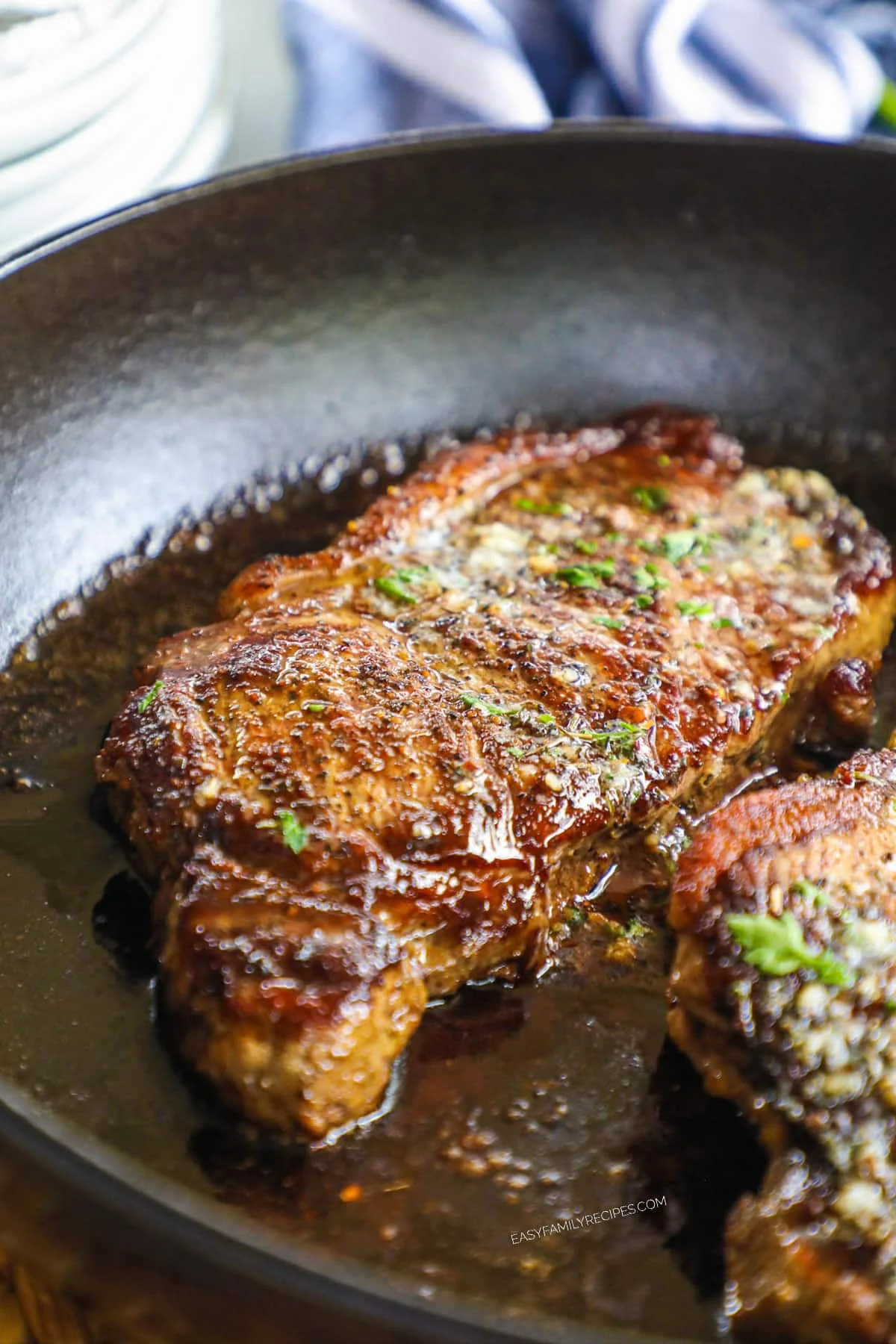
Marinating isn’t just about flavor; it’s about texture too. Picture a tough cut of steak that becomes fork-tender after soaking in a marinade. The acids and oils in the marinade break down muscle fibers, making the steak juicier and easier to chew. Moreover, marinating helps meat absorb the infused flavors deeply, ensuring every bite delivers consistent taste rather than just a seasoned crust. This is especially important if you’re cooking for friends or family—you want everyone to enjoy that perfect blend of tender and flavorful steak.
Essential Ingredients for a Perfect Garlic and Herb Marinade
Key Herbs to Use
Choosing the right herbs is the backbone of your marinade. Rosemary, with its piney aroma, pairs beautifully with the richness of steak. Thyme adds a subtle earthiness that complements garlic’s pungency without competing. Parsley brings a fresh, slightly peppery note that lightens the overall profile. When I first experimented, adding a sprig of oregano gave an unexpected Mediterranean twist. Using fresh herbs gives you the most vibrant flavor, but dried herbs can work in a pinch—just remember to use less.
Garlic: Quantity and Preparation Tips
Garlic is the star in this marinade, and getting the quantity and preparation right is crucial. For a pound of steak, around 3-4 cloves of garlic minced finely is ideal. Too little can leave your steak bland, while too much might overpower other flavors. Crushing the garlic before mincing it releases more oils, making the aroma more potent. A quick tip from experience: let the minced garlic sit for about 10 minutes before mixing it into the marinade to activate its beneficial compounds and deepen its flavor.
Acids and Oils: The Role They Play
Acids like lemon juice, vinegar, or wine serve a dual purpose—they tenderize the meat and create a balanced tang that cuts through the richness. Olive oil is the ideal oil for this marinade; it carries the flavors, coats the steak evenly, and helps retain moisture during cooking. When I tried substituting olive oil with vegetable oil, I noticed the flavor wasn’t as pronounced. The acidity and oil work together to soften the steak’s fibers and keep it juicy, so neither should be skipped.
Step-by-Step Guide to Making the Marinade
Preparing Fresh Garlic and Herbs
Start by rinsing your fresh herbs under cold water and patting them dry. Strip the leaves from woody stems—this makes their flavor more accessible. Mince garlic to a fine consistency, ensuring it blends well with the herbs and won’t leave large chunks on the steak. This preparation step sets the foundation for a marinade that clings well and infuses deeply.
Combining Ingredients for Maximum Flavor
Next, place the herbs and garlic in a bowl and add acid—like the juice of a fresh lemon or a splash of balsamic vinegar. Pour in good-quality olive oil slowly while whisking everything to create an emulsified mixture that spreads easily over the steak. Adding a pinch of salt and freshly ground black pepper at this stage enhances the marinade’s penetration and seasonings. I remember once forgetting to whisk the oil in slowly, and the marinade separated; this uneven coating resulted in inconsistent flavor.
Adjusting Seasonings for Personal Taste
Don’t hesitate to tweak the marinade to suit your palate. If you prefer a stronger garlic presence, add an extra clove or two. Enjoy a zesty touch? Increase the lemon juice slightly. Some like a hint of sweetness, which you can achieve by stirring in a teaspoon of honey. The key is tasting the marinade before you pour it over the steak. This way, you get a preview and can balance flavors in advance, avoiding surprises after cooking.
Marinating Techniques for Best Results
Ideal Marinating Time
How long you let your steak soak matters significantly. For a tender result without overwhelming acidity, aim for 30 minutes to 2 hours. I once left a steak marinating overnight, only to find the texture mushy and the flavor too sharp. If you’re short on time, even 20 minutes in the marinade will impart good flavor, but avoid less than that. The steak needs enough time to absorb the marinade’s moisture and flavors properly.
Best Containers and Storage Tips

Use a non-reactive container such as glass or food-safe plastic when marinating. Metal bowls can react with acidic ingredients, altering flavor and potentially discoloring the meat. A resealable plastic bag works wonderfully because it allows the marinade to coat the meat evenly without excess liquid pooling at the bottom. Always marinate in the refrigerator to keep your steak safe from bacteria.
Common Mistakes to Avoid
One frequent error is marinating too long, which can turn a steak mushy, especially with acidic marinades. Another is reusing leftover marinade as a sauce without boiling it first; this risks food contamination. Also, overloading a marinade with too many ingredients can dilute the prominent garlic and herb flavors. It’s tempting to experiment, but simplicity often triumphs with steak.
Cooking Your Marinated Steak
Recommended Cooking Methods
Grilling is the classic choice—it imparts a smoky char that pairs beautifully with garlic and herbs. Pan-searing works just as well, especially during colder months, and gives you control over doneness. Whichever method you choose, cook the steak on high heat initially to seal in juices, then lower the heat to finish cooking through. When I grilled steaks marinated in garlic and herbs for a backyard barbecue, guests commented on the perfect balance of flavors and juiciness every time.
Checking for Juiciness and Doneness
The best way to gauge doneness is by touch or using a meat thermometer aiming for 130-135°F for medium-rare. Avoid cutting your steak too early, as juices tend to escape, leaving it dry. Let it rest for at least five minutes after cooking; this allows the juices to redistribute, making every bite moist and tender. I have often found that this resting period makes the difference between a decent steak and a great one.
Serving Suggestions and Pairings
Complementary Side Dishes
A garlic and herb marinated steak calls for sides that won’t overpower its flavors. Roasted vegetables like asparagus or Brussels sprouts compliment the earthy notes from the herbs. Creamy mashed potatoes or a simple mixed green salad balance the richness of the steak. I recall serving this steak with a light chimichurri and grilled zucchini for an easy yet elegant meal that wowed my dinner guests.
Wine and Beverage Pairings
Bold reds like Cabernet Sauvignon or Malbec stand up well to garlic and herb flavors, cutting through the richness with their tannins. For those preferring lighter options, a chilled Pinot Noir provides a silky contrast without overwhelming the palate. If wine isn’t your style, a crisp, cold beer such as an amber ale complements the steak’s smoky notes beautifully. Having the right drink enhances the overall dining experience and brings out the marinade’s subtle nuances.