















Introduction to Gluten-Free Meal Prep Bowls
Why Choose Gluten-Free for Weight Management?
Choosing a gluten-free diet can be a strategic approach to weight management, especially for those with gluten sensitivities or celiac disease. Gluten-free options often encourage consumption of whole, unprocessed foods like vegetables, lean proteins, and gluten-free grains, which can lead to better satiety and less inflammation. By focusing on naturally gluten-free meals, you may reduce bloating and digestive discomfort, contributing to a healthier weight. Moreover, eliminating gluten forces many to craft more mindful eating habits, helping control portions and avoid hidden calorie-dense processed foods.
Benefits of Meal Prepping
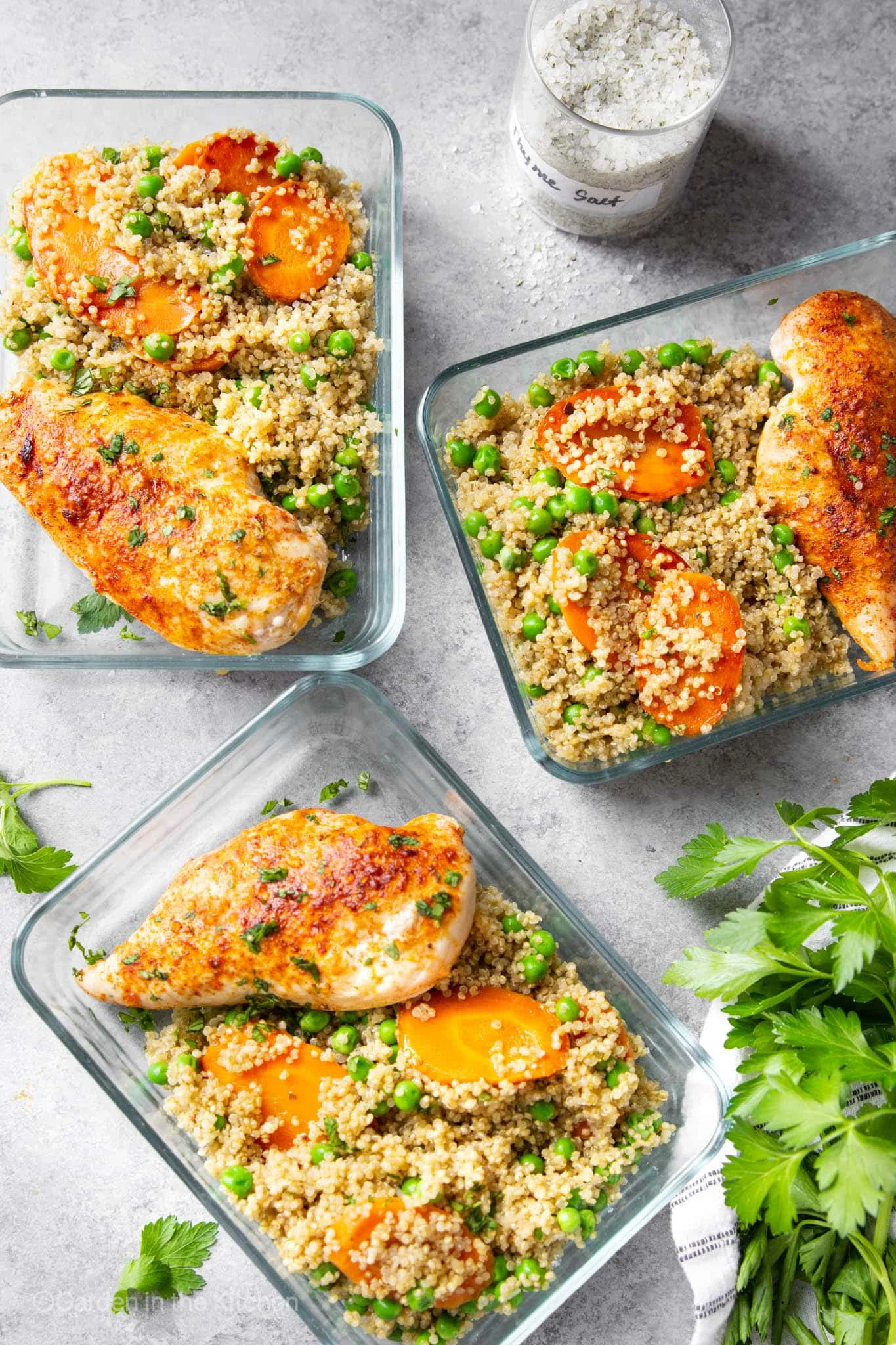
Meal prepping plays a crucial role in maintaining a balanced diet, particularly in a gluten-free lifestyle. Preparing meals ahead of time saves valuable time during hectic weekdays, reduces the temptation to eat out or grab unhealthy snacks, and ensures you always have nutritious meals ready to go. It also fosters dietary consistency, which is paramount for effective weight management. When meals are pre-portioned, it becomes easier to track calorie intake and avoid overeating. Additionally, meal prepping empowers you to experiment with diverse ingredients and flavors, ensuring your diet stays enjoyable and sustainable.
Essential Ingredients for Gluten-Free Meal Prep Bowls
Protein Options to Consider
Protein is foundational for satiety and muscle maintenance. In gluten-free meal prep bowls, lean proteins like grilled chicken, turkey, and lean cuts of beef offer robust nutrition without gluten. Plant-based options such as tofu, tempeh, lentils, and chickpeas are also excellent for those preferring vegetarian or vegan choices. Incorporating a variety of protein sources supports diverse nutrient intake and keeps meals interesting. For extra convenience, consider hard-boiled eggs or canned tuna—both quick to prepare and naturally gluten-free.
Healthy Carbs Without Gluten
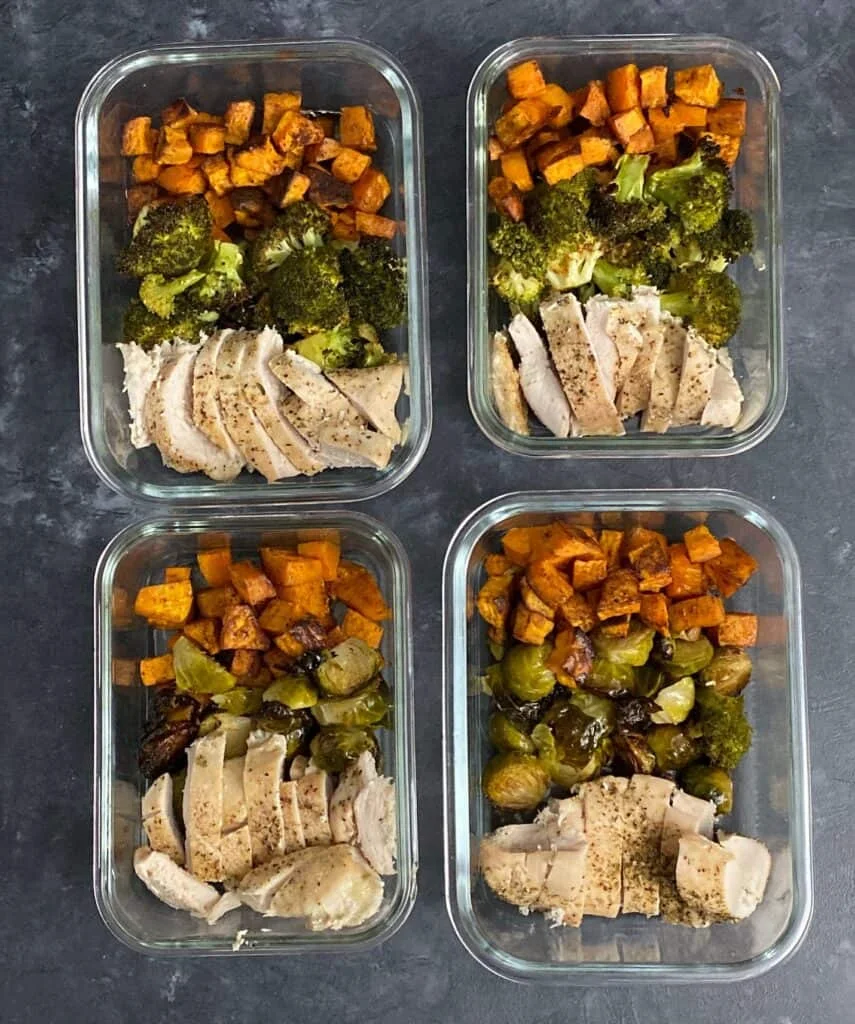
Carbohydrates provide essential energy but selecting gluten-free carbs requires attention. Quinoa, brown rice, and millet serve as excellent gluten-free grains packed with fiber and minerals that promote fullness and stable blood sugar levels. Sweet potatoes add natural sweetness along with beta-carotene and antioxidants. Starchy vegetables like butternut squash or corn can diversify your bowl while adding important nutrients. When choosing gluten-free carb sources, ensure they are minimally processed to maximize health benefits and maintain steady energy release throughout the day.
Incorporating Fresh Vegetables and Greens
Fresh vegetables and leafy greens are the cornerstone of any nutrient-dense gluten-free meal prep bowl. Dark leafy greens such as spinach, kale, or arugula deliver vitamins and antioxidants vital for weight management and overall health. Brightly colored vegetables like bell peppers, cherry tomatoes, and shredded carrots not only enhance the visual appeal but also contribute crucial vitamins and fiber. Including a variety of textures—from crunchy cucumbers to soft avocado slices—makes each meal satisfying and keeps your palate engaged.
Step-by-Step Preparation Process
Planning Your Meals: Portion and Calorie Control
Begin your meal prep by deciding on portion sizes tailored to your energy needs and weight management goals. Use measuring cups or a food scale to accurately control serving sizes, especially for calorie-dense ingredients like grains and proteins. Consider balancing your plate with roughly one-third protein, one-third carbohydrates, and one-third vegetables to produce satisfying, nutrient-rich bowls. Planning also involves taking stock of your pantry and fridge to avoid unnecessary purchases and reduce food waste. Setting clear calorie targets helps ensure your prep bowls support your weight objectives without restricting essential nutrients.
Cooking and Preparing Ingredients Efficiently
Efficiency in ingredient preparation is vital for a smooth meal prep experience. Start by cooking bulk grains such as quinoa or rice in advance and refrigerate them in airtight containers. Simultaneously, prepare proteins by grilling, baking, or steaming to lock in flavors and nutrients. While these cook, wash and chop your vegetables and greens, keeping moisture levels in check to avoid soggy ingredients. Organizing tasks sequentially, like an assembly line, speeds up the process and saves energy. Consider using kitchen gadgets such as food processors or mandolins for faster chopping and slicing.
Assembly Techniques for Balanced Bowls
When assembling your meal prep bowls, layering ingredients strategically enhances freshness and texture. Place dressings or sauces at the bottom to prevent soaking greens prematurely. Follow with grains as a sturdy base, then add your protein, and finally top with delicate greens or crunchy vegetables. This method keeps ingredients vibrant and appealing until mealtime. Additionally, storing dressings separately when possible preserves flavor and texture. Using containers with compartments or bento-style boxes can help maintain ingredient separation and portion control, making your bowls easy to enjoy on the go.
Storage and Reheating Tips
Maintaining Freshness and Nutritional Value
Preserving the freshness and nutrients of your gluten-free meal prep bowls requires proper storage techniques. Use airtight containers to protect meals from exposure to air, which can degrade flavors and vitamins. Refrigerate meals promptly and consume within three to four days for optimal taste and safety. To prevent sogginess, store delicate ingredients such as leafy greens separately or add them just before eating. Keeping dressings and sauces in separate small containers maintains texture and prevents premature wilting of vegetables. Regularly rotating your meal prep stock ensures you enjoy a variety of fresh meals throughout the week.
Best Practices for Freezing Meal Prep Bowls
Freezing is an excellent option for extending the shelf life of gluten-free meal prep bowls, particularly when preparing in larger batches. To freeze effectively, allow cooked ingredients to cool completely before packing them into freezer-safe containers or bags. Avoid freezing dishes with fresh greens or delicate vegetables as they can become mushy upon thawing. Instead, freeze components like grains, cooked proteins, and roasted vegetables. Label each package with the date to keep track of freshness. When reheating, thaw in the refrigerator overnight and warm evenly using a microwave or stovetop, stirring occasionally to retain texture and flavor.
Sample 7-Day Gluten-Free Meal Prep Bowl Plan
Breakfast Bowls to Kickstart Your Day
Start your mornings with protein-rich breakfast bowls that fuel your body and curb cravings. Prepare bowls featuring egg white omelet bites topped with sautéed spinach and cherry tomatoes, or blend gluten-free oatmeal with fresh berries and a dollop of nut butter for sustained energy. Incorporate kid-friendly ingredients like shredded carrots or black beans to make bowls enticing for the whole family. Rotate ingredients like nuts, seeds, or fruits to keep breakfasts exciting and provide a range of micronutrients.
Lunch and Dinner Variations
Lunch and dinner bowls can offer endless combinations suited for weight management. Consider grilled chicken paired with quinoa, roasted sweet potatoes, and kale dressed with lemon vinaigrette for a nutrient-dense meal. Vegetarian options might include lentils with brown rice, roasted vegetables, and a tahini sauce. Use fresh salsa or gluten-free dressings served on the side to maintain flavor and texture. Incorporate crunchy toppings like toasted almonds or chickpeas to add satisfaction without excess calories. Planning these variations ahead of time reduces monotony and encourages adherence to your gluten-free diet.
Conclusion: Staying Consistent With Gluten-Free Meal Prep
Maintaining consistency with gluten-free meal prep bowls is a practical and sustainable strategy for managing weight. By thoughtfully selecting ingredients, managing portions, and employing smart storage techniques, you set yourself up for ongoing success. Remember to be creative and flexible—using leftover ingredients creatively and adjusting recipes to suit your preferences helps prevent burnout. Keeping a routine that includes meal prepping fosters mindful eating, reduces stress around food choices, and ultimately supports your long-term health goals. Embrace the process step by step, and enjoy the empowerment that comes with nourishing your body efficiently and deliciously.