














Understanding the Threat: Common Pests in Small Vegetable Gardens
Identifying Typical Garden Pests
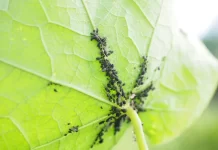
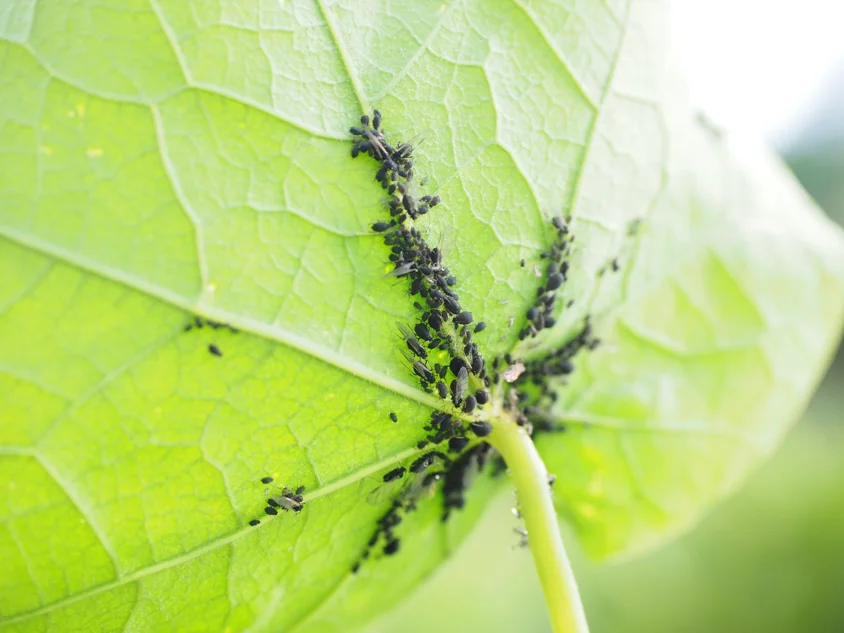
When you start a small vegetable garden, it’s easy to get excited about nurturing your plants and watching them grow. But lurking nearby are pests that can quickly turn that excitement into frustration. Common offenders include aphids, caterpillars, slugs, snails, and various types of beetles. Each of these pests has unique habits and signs to watch for. For instance, aphids often bring ants along and leave behind a sticky substance called honeydew. Moths fluttering around your garden may be a warning that caterpillars are on their way. Meanwhile, slugs and snails prefer hiding in the cool, damp parts of leafy greens during the day and come out at night to feast.
Why Small Gardens Are Vulnerable
Small gardens face a particular challenge when it comes to pest infestations. Limited space means that pests can spread rapidly from one plant to the next without much delay. Additionally, a few pests might appear insignificant at first but can quickly overwhelm a compact area. Since small gardens often have microclimates with less airflow and more shade, it creates a haven for many moisture-loving pests like slugs and snails. The confined nature of the garden also limits your options for crop rotation, which otherwise helps break pest cycles. Being aware of these vulnerabilities highlights why vigilance is essential to protect your small vegetable patch.
Natural Pest Prevention Techniques
Companion Planting to Deter Pests
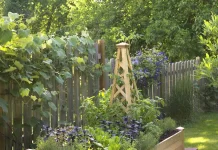
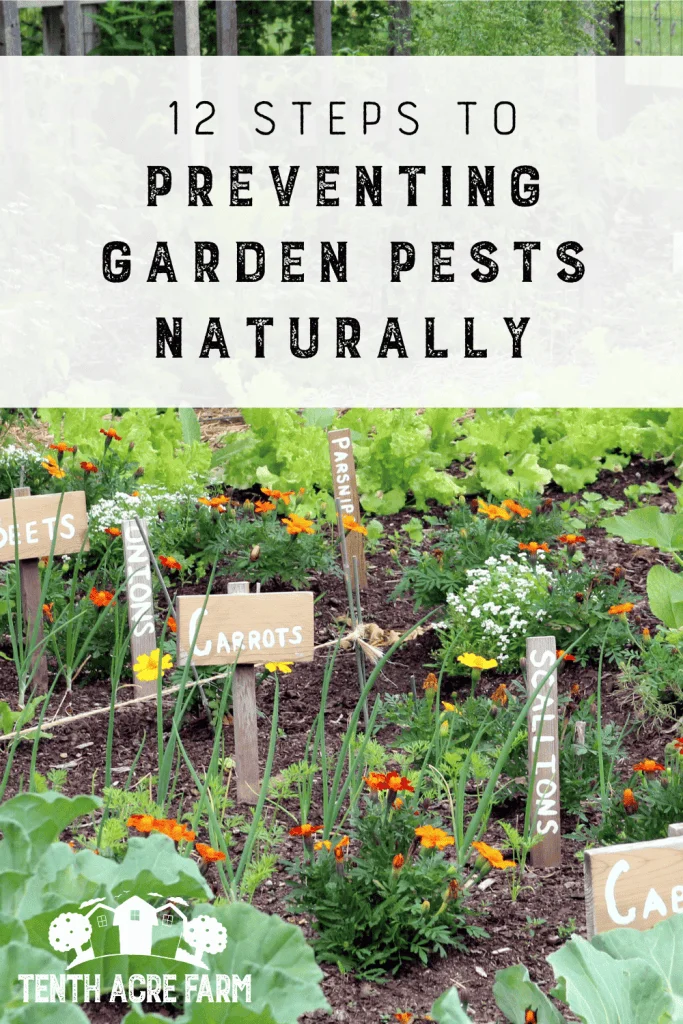
One of the most rewarding strategies for pest prevention is companion planting. This method involves placing certain plants next to your vegetables to confuse or repel harmful insects. For example, marigolds emit a scent that deters nematodes and aphids, while basil planted near tomatoes can help keep whiteflies at bay. It’s like creating a natural, living defense system in your garden. Not only does this reduce the need for chemicals, but it also encourages biodiversity and adds beauty. Choosing companion plants based on research helps maintain a healthy garden balance.
Using Organic Mulches and Barriers
Mulching with organic materials like straw, leaves, or grass clippings does more than just conserve moisture and improve soil. It also creates a barrier that can discourage pests such as slugs and beetles from reaching your plants. Some gardeners sprinkle diatomaceous earth around vulnerable plants, which acts like tiny shards that pests avoid. Barriers and mulches slow down pests’ movement and create less hospitable ground conditions, making your garden less appealing to critters looking for an easy meal.
The Role of Beneficial Insects in Pest Control
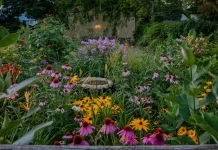
Inviting beneficial insects to your garden is like calling in reinforcements. Ladybugs, lacewings, and parasitic wasps naturally keep pest populations in check by preying on aphids, caterpillars, and other harmful bugs. You can encourage these helpful visitors by planting nectar-rich flowers in sunny spots within or near your garden. Creating a welcoming environment for beneficial insects reduces reliance on sprays and offers a sustainable, long-term solution to pest problems. Remember, a lively garden ecosystem means fewer destructive pests.
Effective Garden Maintenance Practices
Regular Inspection and Early Detection
One of the simplest yet most effective pest control methods is to inspect your plants daily. Checking leaves for eggs, chewed edges, or sticky residue can help you catch issues before they multiply. Early detection makes pest management much less daunting. This routine is especially important during the spring and summer when pest activity peaks. Pay close attention to the undersides of leaves and hidden corners where pests like to lay eggs or take refuge. Over time, you’ll become skilled at spotting early warning signs, such as an increase in ants indicating aphid presence.
Proper Watering and Soil Management
Healthy plants are more resistant to pests, and good watering practices play a critical role in plant health. Avoid overwatering, as excess moisture can attract pests like slugs and promote fungal diseases. Water early in the day to allow foliage to dry out, which reduces the chances of infestations. Equally important is maintaining rich, well-drained soil. Adding organic matter and compost improves soil structure, fostering strong root systems that can better withstand pest attacks. Remember, nurturing your soil is nurturing your plants’ natural defenses.
Homemade and Eco-Friendly Pest Deterrents
DIY Natural Sprays and Repellents
Many gardeners find success with homemade pest sprays made from ingredients readily found in their kitchens or gardens. Neem oil spray, for example, is safe for vegetables and pets and works as a natural insecticide and fungicide. Garlic and chili sprays are also popular for their pest-repellent properties. When making your own sprays, be sure to test a small plant area first to avoid unintended damage. Patience and consistency are key—regular applications help keep pests at bay without risking chemical exposure to your family or beneficial insects.
Safe Traps and Physical Exclusion Methods
Physical methods, such as setting up traps or barriers, provide a chemical-free way of managing pests. Beer traps attract and drown slugs and snails, while copper tape around garden beds can repel them due to a mild electric charge they sense. Floating row covers are another excellent option, offering a physical shield from moths and other flying pests while allowing light and rain to pass through. Although these methods require some effort, they provide peace of mind and are safe for organic gardens.
When and How to Use Chemical Treatments
Choosing the Right Pesticides for Small Gardens
Despite the appeal of natural methods, sometimes chemical treatments become necessary for serious infestations. For small gardens, selecting pesticides labeled specifically for vegetable use and low toxicity is essential. Look for products endorsed by trusted sources like university extension programs or Master Gardener recommendations. Identifying the exact pest species before applying any treatment ensures you don’t waste time or harm beneficial insects. Always adhere to the recommended dosage and avoid broad-spectrum pesticides that can disrupt your garden’s ecosystem.
Safe Application Techniques to Minimize Harm
Applying chemical treatments safely is just as important as choosing the right product. Always read and follow label instructions, as more pesticide does not mean better results—it can actually harm plants and beneficial bugs. Apply treatments during calm weather to avoid drift, and target only the affected plants to limit environmental impact. Wearing protective gear protects you from exposure, and washing produce thoroughly before consumption adds another safety layer. Chemical solutions should be a last resort, integrated carefully into a broader pest management plan.
Case Study: Successful Pest Prevention in a Home Vegetable Garden
Consider the example of Emma, who manages a modest backyard vegetable garden. Early on, she struggled with aphids overwhelming her tomato plants. Instead of rushing to pesticides, she integrated several techniques. Emma planted marigolds alongside her tomatoes and cultivated a patch of flowering herbs to attract ladybugs and lacewings. She committed to daily inspections and used a neem oil spray weekly as a preventive measure. When she spotted moths, she protected her crops with row covers overnight. Emma accepted minor damage as part of the garden’s life, which helped her keep perspective and avoid unnecessary control measures. Her patience and multi-pronged approach led to a vibrant, healthier garden with fewer pest problems season after season.