




















Understanding the Importance of a Clutter-Free Home Office
Impact of Clutter on Productivity and Focus
Working in a cluttered home office can significantly hamper your productivity. When your workspace is filled with unnecessary items, it creates distractions and wastes valuable mental energy. Instead of focusing on tasks, your brain gets overwhelmed by visual chaos, making it difficult to prioritize and complete work efficiently. This distraction not only slows down your pace but can also increase stress levels, ultimately reducing the quality of your output.
Psychological Benefits of Minimalist Workspaces
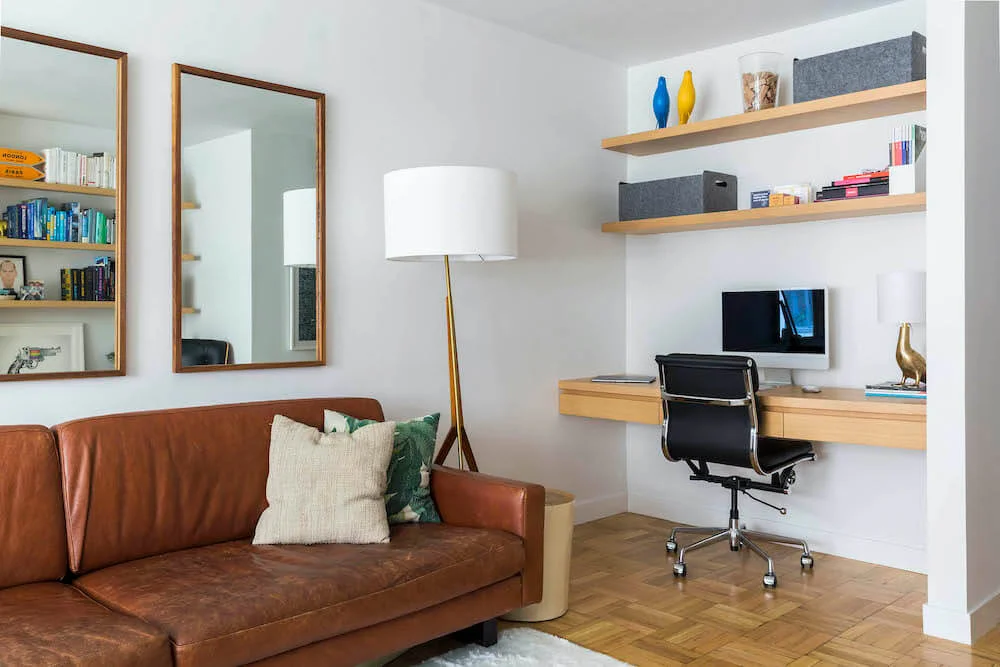
A minimalist office environment promotes calm and clarity. Removing excess belongings clears mental clutter, enabling better concentration and creative thinking. With less visual noise, your mind can focus solely on work, fostering a sense of control and accomplishment. A clean, simple setup also encourages positive habits such as organization and intentionality, making your daily work routine smoother and more enjoyable.
Preparing to Declutter: Mindset and Tools
Setting Realistic Goals and Expectations
Before diving into decluttering, it’s essential to set achievable goals. Trying to overhaul your entire office in one go can be overwhelming and discouraging. Instead, break the task into manageable portions, such as clearing one drawer or sorting through a single pile of papers at a time. Establish a clear vision for what your ideal workspace looks like, asking yourself questions about the type of furniture, desk arrangement, and overall office environment you desire. This mindset helps maintain motivation and steady progress.
Essential Tools for an Effective Decluttering Process
Having the right tools at hand makes organizing more efficient and less frustrating. Stock up on labeled folders or trays to sort documents, recycle bins to discard unwanted papers, and drawer organizers or jars to contain small office supplies. If you don’t have a label maker, simple chalkboard or paper labels with strings can keep items categorized neatly. Additionally, schedule dedicated time on your calendar and stick to it — this prioritizes decluttering and keeps you accountable to the process.
Step-by-Step Minimalist Decluttering Process
Sorting and Categorizing Office Items
The first challenge when decluttering is to sort through all items methodically. Begin by separating objects into categories such as papers, office supplies, furniture, and personal items. Avoid letting sentimental attachments slow you down by setting aside those items to revisit later. Focus on sorting for functionality and necessity first. Handling piles individually—perhaps tackling one each night—can prevent burnout and ensure thorough attention to each category.
Deciding What to Keep, Donate, or Discard
Once items are sorted, deliberate carefully about what remains in your workspace. Keep only papers that require immediate action or filing, and recycle the rest. It’s often helpful to check if certain information is readily available online before deciding to file it physically. Excess furniture that doesn’t contribute to your productivity or comfort should be removed to free up space. For sentimental or infrequently used items, consider donating if in good condition. This minimalist approach ensures every item has a purpose and supports an efficient workflow.
Optimizing Storage Solutions for Minimalism
After selecting what to keep, organize your materials using minimalist storage solutions. Use labeled file folders or open trays to avoid paper piles that can easily become chaotic again. Reserve desk drawers strictly for work-related tools, grouping similar items together to facilitate quick access. Drawer organizers and aesthetically pleasing jars can keep small essentials like pens and paper clips tidy. Remember to regularly inventory supplies such as printer ink and paper, and perform routine maintenance like emptying pencil sharpeners or replacing staples to keep your system functioning smoothly.
Designing a Minimalist Home Office Layout
Choosing Functional and Stylish Furniture
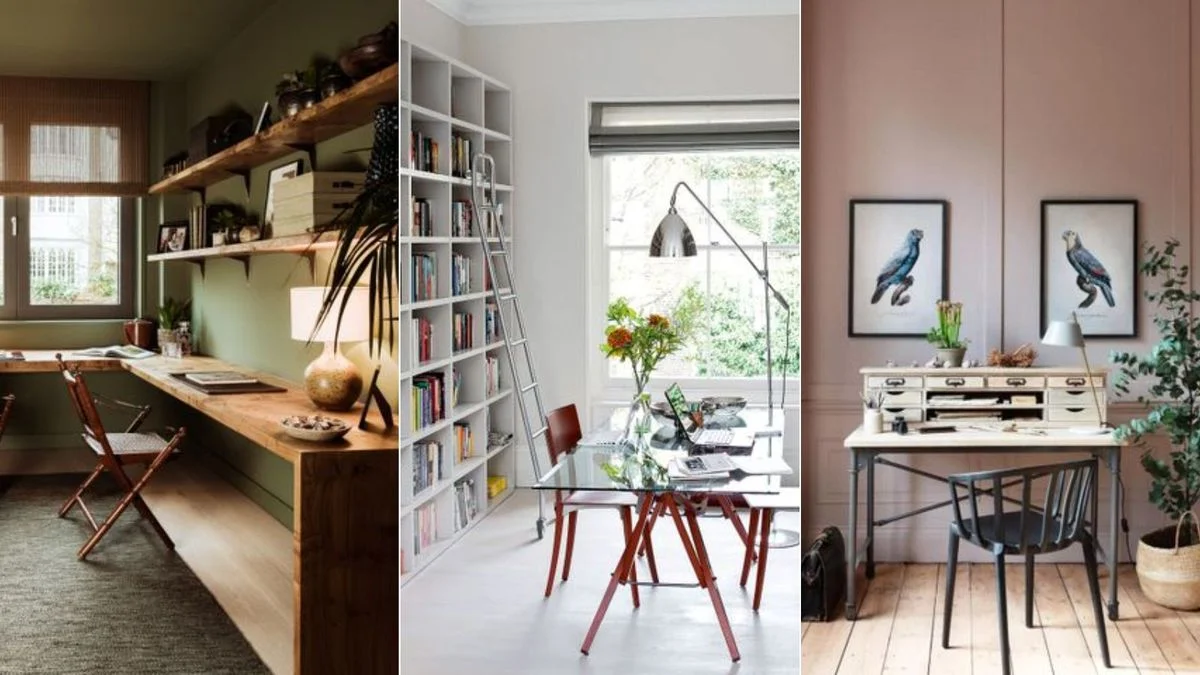
Furniture can either enhance or detract from a minimalist office. Opt for pieces that serve multiple purposes, have clean lines, and don’t overcrowd the room. It’s perfectly acceptable to remove extra furniture if it only adds clutter. Prioritize a comfortable chair and a well-sized desk that suits your work needs without overwhelming the space. Stylish but simple designs help create a professional atmosphere while supporting a clutter-free mindset.
Incorporating Natural Light and Open Space
Natural light plays a critical role in creating an inviting and productive workspace. Position your desk near windows if possible, allowing sunlight to illuminate your area and boost mood. Leaving open space around your furniture enhances a sense of freedom and cleanliness, which can reduce feelings of confinement or stress. Minimalist layouts avoid overcrowding by focusing on openness and light, contributing both visually and psychologically to effective work sessions.
Maintaining Your Decluttered Space for Long-Term Productivity
Daily Habits to Avoid Re-Cluttering
Maintaining a tidy workspace requires consistent daily habits. Set aside a few minutes each day to put items back in their designated spots and clear your desk after use. Avoid the temptation to accumulate random papers or office supplies by addressing them immediately—recycle unnecessary documents and replenish only what you need. Displaying a limited number of meaningful items like plants or family photos can add warmth without causing distraction. Establishing these routines prevents buildup and supports ongoing productivity.
Periodic Reviews and Adjustments
Even with daily care, it’s important to regularly assess your office setup to ensure it continues to meet your needs. Schedule periodic decluttering sessions to sort through items, discard obsolete materials, and refine organizational systems. This also gives an opportunity to inventory supplies, tidy up storage, and adjust furniture arrangements as necessary. If maintaining the system feels challenging, consider consulting professional organizing services for tailored guidance and support. By committing to these reviews, your home office remains a welcoming and highly functional space.