

















Understanding the Basics of Closet Space Optimization
Assessing Your Current Closet Layout
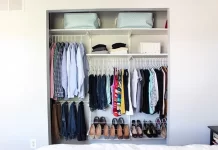
Begin by taking a detailed look at your existing closet. Observe how your clothes and accessories are arranged and note any areas that seem cluttered or underused. Understanding the flow and functionality helps identify where improvements are needed. Take measurements to have precise data for planning purposes.
Identifying Common Space Wasters
Closets often lose valuable space to awkwardly placed items or unnecessary clutter. Bulky hangers, unused corners, and single-hanging rods that limit vertical space are common culprits. Additionally, storing items without considering frequency of use can cause congestion and inefficiency. Recognizing these pitfalls allows you to target them specifically.
The Benefits of DIY Hanging Storage Solutions
DIY hanging storage is a cost-effective way to customize your closet based on your unique needs. It allows you to maximize vertical space, keep items visible and accessible, and maintain organization. With durable materials and smart designs, you can create flexible storage that adapts as your wardrobe changes.
Essential Materials and Tools for DIY Hanging Storage
Choosing the Right Hangers and Hooks
Select hangers that save space without damaging clothes. Thin, non-slip hangers help maintain order. Hooks should be sturdy and sized appropriately for items like bags, scarves, and belts. Multi-tiered hangers add functionality by grouping similar garments together efficiently.
Affordable and Durable Materials to Use
Products like metal rods, wooden dowels, and heavy-duty tension rods offer durability without a high price tag. Fabric organizers and mesh baskets are lightweight and versatile. Opt for materials that balance strength with ease of maintenance to ensure your DIY storage lasts.
Tools You’ll Need for Installation
Basic tools such as a drill, measuring tape, level, and screwdriver streamline the installation process. A pencil for marking and anchors for securing mounts on drywall can be essential. Having the right tools ensures a professional finish and lasting stability.
Creative DIY Hanging Storage Ideas to Maximize Space
Using Vertical Hanging Organizers
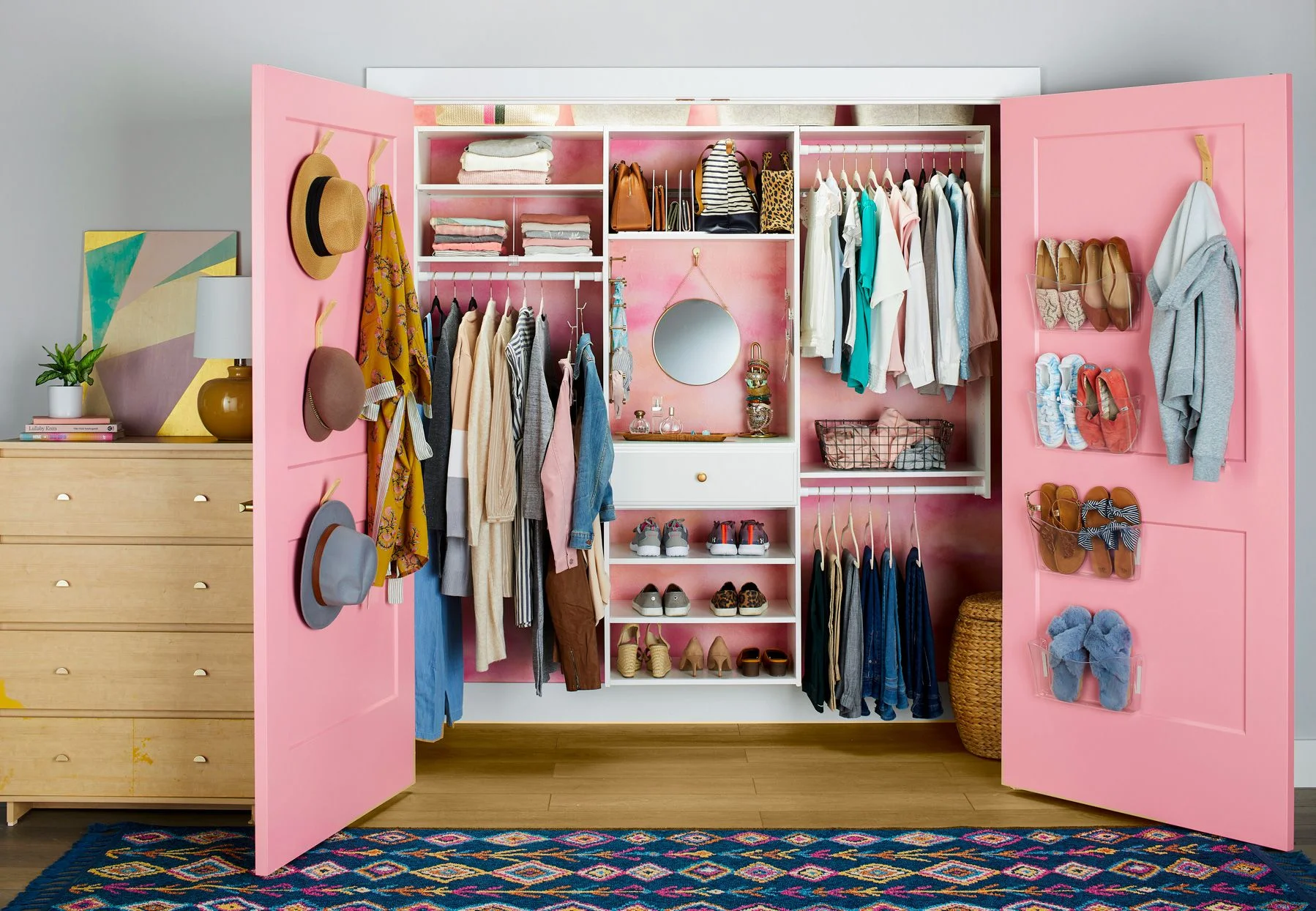
Vertical organizers hang from rods and provide compartments for folded clothes, shoes, or accessories. They make use of the often overlooked vertical plane. This approach keeps items visible and reduces clutter on shelves, enhancing accessibility.
Installing Multi-tiered Hangers for Clothing
Multi-tiered hangers hold several layers of clothing in one spot, such as pants or shirts. This consolidates space and groups similar items together, making it easier to find what you need. They are especially useful for smaller closets with limited hanging area.
Repurposing Household Items into Hanging Storage
Repurpose items like shoe organizers or kitchen racks to store accessories and smaller garments. Old belts can become loops for hanging lightweight clothes. This recycling not only saves money but adds customized charm to your closet setup.
Step-by-Step Guide to Building a Hanging Storage System
Planning Your Storage Layout
Start with a clear plan based on your closet’s dimensions and your storage needs. Prioritize frequently used items in easy reach, while seasonal pieces can go higher or deeper. Sketching a layout helps visualize the arrangement and avoid overcrowding.
Measuring and Marking Hanging Points
Accurate measurements ensure your hanging rods and organizers fit perfectly. Mark the points for installation using a level to keep everything aligned. Double-check spacing to allow garments to hang freely without touching the floor or other items.
Installing and Securing Hanging Organizers
Follow the manufacturer’s instructions or general installation guidelines for your chosen organizers. Secure rods and hooks firmly to walls or closet frames. Test stability by gently hanging items to confirm strength and balance before filling with heavier garments.
Maintaining and Updating Your DIY Closet Storage
Regularly Decluttering and Rearranging
Maintain space efficiency by routinely evaluating your wardrobe. Remove items that no longer fit or suit your lifestyle and reorganize to keep the system functional. This prevents accumulation of unused items that can clutter the space.
Seasonal Storage Tips
Rotate clothes seasonally to free up space for current wear. Use labeled bins or see-through bags for off-season items and place them in less accessible areas. This keeps your everyday wardrobe manageable and limits visual clutter.
Upgrading Your Setup with New DIY Ideas
Continuously improve your closet by integrating new storage concepts like pull-out racks or adjustable rods. Experiment with different organizers to adapt to changing needs. Keeping your system flexible ensures lasting convenience and maximized space.