




















Introduction to Repurposing Scrap Fabric
Benefits of Using Scrap Fabric
Repurposing scrap fabric helps reduce waste and supports sustainable crafting. Instead of discarding small fabric pieces, these scraps can be transformed into functional and stylish items. This approach not only saves money but also encourages creativity and resourcefulness. Using leftover fabric means less demand for new materials, which contributes to a smaller environmental footprint.
Overview of Stylish Tote Bags
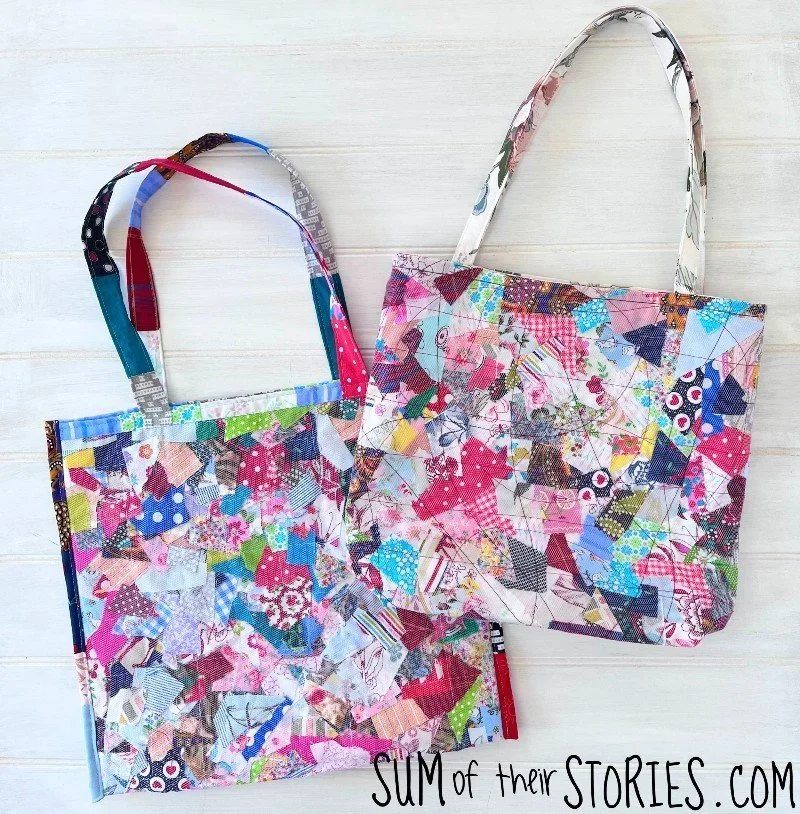
Tote bags are versatile accessories that combine practicality with fashion. They provide ample space for daily essentials and are popular for shopping, work, or casual outings. Creating tote bags from scrap fabric adds a unique handmade quality, allowing for personalized designs that stand out. These bags can be both durable and attractive, reflecting individual style while promoting eco-friendly habits.
Types of Scrap Fabric Ideal for Tote Bags
Natural vs Synthetic Fabrics
When selecting fabric scraps for tote bags, choosing the right material affects durability and appearance. Natural fabrics like cotton and linen are breathable, sturdy, and easy to work with, making them ideal for everyday use bags. Synthetic fabrics, such as nylon or polyester, offer water resistance and strength but can be tougher to sew and may require special handling to avoid damage.
Watch the Tutorial
Color and Pattern Considerations
Color coordination and patterns play a significant role in the visual appeal of a tote bag. Mixing vibrant prints with solid colors creates dynamic contrasts, while sticking to a monochrome palette yields a minimalist and modern look. When combining fabrics, consider balance and harmony to ensure the final piece is eye-catching but cohesive. Scraps with bold patterns can serve as focal points, surrounded by subtler fabrics to avoid overwhelming designs.
Essential Tools and Materials for Tote Bag Making
Basic Sewing Equipment
Crafting a tote bag requires fundamental sewing tools such as needles, thread, scissors, pins, and a sewing machine. A sturdy pair of fabric scissors is essential for clean cuts, while pins help secure fabric pieces before stitching. High-quality thread ensures strong seams, especially when working with multiple fabric layers. A rotary cutter and cutting mat, though optional, can improve precision and ease.
Optional Decorative Elements
To enhance the aesthetic of a tote, add decorative touches like buttons, patches, ribbons, or appliqué. Embroidery floss in various colors introduces texture and personal flair. Using leftover threads for quilting stitches can add visual interest while minimizing waste. These elements provide opportunities to customize totes according to personal taste or current trends.
Creative Techniques to Transform Scrap Fabric
Patchwork and Quilting Styles
Patchwork involves stitching together small fabric scraps to form a larger, patterned piece, often arranged in geometric shapes. Quilting adds a layer of texture and structure by sewing through multiple fabric layers, sometimes using a grid pattern for precision. To keep scrap pieces stable during sewing, marks on the fabric can guide stitching, and pins hold layers firmly in place.
Appliqué and Embroidery Accents
Appliqué involves sewing smaller fabric shapes onto a base fabric to create decorative patterns or images. This technique allows repurposed scraps to become focal points on the tote bag. Embroidery adds detail through stitched designs, enhancing both texture and visual appeal. Combining these methods can transform simple scrap fabric into artistic expressions.
Fabric Dyeing and Painting Ideas
Scrap fabrics can also be refreshed with dyeing or fabric painting techniques. Tie-dye and batik produce unique patterns, while fabric paints enable customized motifs and color blends. These methods breathe new life into otherwise overlooked fabric, adding depth and color variations that elevate the overall tote design.
Step-by-Step Guide to Crafting a Scrap Fabric Tote Bag
Measuring and Cutting the Fabric
Begin by measuring the desired tote bag size and marking guidelines on the fabric. Cutting scrap fabrics into manageable pieces is essential, especially when working with thin strips. Proper cutting ensures consistent shapes and sizes, which simplify the assembly process and contribute to a neat finished product.
Assembling and Sewing the Pieces

Arrange the fabric scraps carefully, layering them to cover the surface uniformly. Using multiple layers adds durability and visual interest. Strong pins are necessary to keep scraps from shifting, particularly when attaching them to net fabric. Sewing should follow marked grids or outlines to maintain straight seams and balanced quilting.
Finishing Touches and Reinforcements
Secure raw edges with bias binding made from joined scrap strips, protecting fabric from fraying. Prepare handles by sewing long fabric strips together for strength. Rolling net pockets during machine sewing reduces fabric movement to achieve cleaner lines. After quilting, water-soluble pen markings can be erased by spraying with water, leaving a clean finish.
Design Inspirations and Unique Styles
Bohemian Chic Tote Designs
Bohemian tote bags embrace vibrant colors, mixed patterns, and embellishments like tassels or beads. Patchwork elements contribute to a free-spirited aesthetic. Using repurposed fabrics with floral prints and textured scraps enhances the eclectic appeal typical of boho styles.
Minimalist and Modern Approaches
Minimalist designs focus on simplicity and clean lines. Tote bags in neutral tones or single colors with subtle quilting or appliqué accents fit this style. Using uniform fabric scraps in muted shades creates a sleek and contemporary look that suits various occasions.
Upcycled Vintage Fabric Bags
Vintage fabrics carry nostalgic charm and character. Repurposed lace, old dress prints, or worn denim add history and uniqueness to tote bags. Combining aged textiles with modern stitching techniques blends old and new, resulting in timeless pieces with stylish functionality.
Care and Maintenance Tips for Scrap Fabric Tote Bags
Washing Instructions
Gentle washing methods help preserve fabric integrity and colors. Hand washing or machine washing on a delicate cycle with mild detergent is recommended. Avoid harsh chemicals and high heat to prevent damage, especially to mixed fabric types and embellishments.
Storage Recommendations
Store tote bags in a cool, dry place to avoid mildew and fabric deterioration. Hanging bags or folding loosely prevents creases and preserves shape. Keeping bags away from direct sunlight limits fading, maintaining their vibrant appearance over time.
Encouraging Sustainability Through Creative Repurposing
Environmental Impact Reduction
Repurposing scrap fabric reduces landfill waste and cuts demand for new textile production, which requires significant resources and energy. Handmade tote bags from scraps exemplify sustainable consumption, demonstrating how small actions can collectively lessen environmental harm.
Community and Social Benefits
Crafting with scrap fabric can foster community bonding through shared projects and workshops. It offers skills development and creative outlets that empower individuals. Sustainable crafting also raises awareness about environmental issues, encouraging more eco-conscious lifestyles and supporting ethical consumerism.