



















Introduction: Why Custom Shelves Are Ideal for Small Apartments
Maximizing Space Efficiency
In small apartment spaces, every square inch counts. Custom shelves allow you to utilize vertical and awkward spaces that standard furniture often overlooks. With tailored dimensions, these shelves fit perfectly, providing organized storage without cluttering your living area.
Personalizing Your Living Area
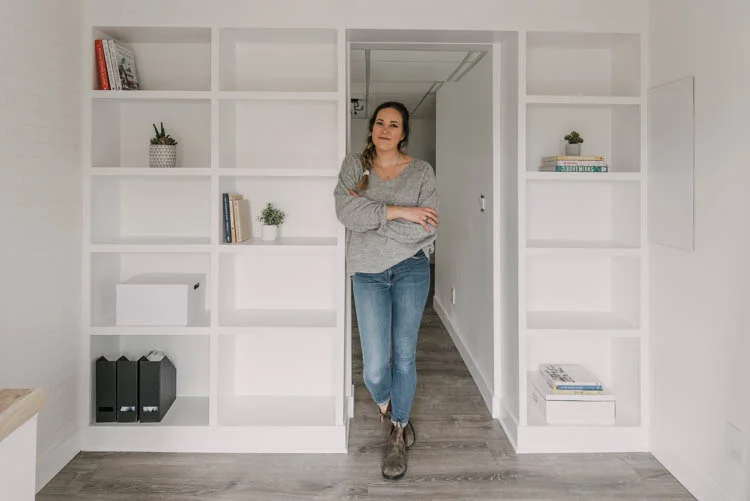
Beyond practicality, custom shelves add personality to your home. You choose the style, finish, and arrangement, making your apartment truly unique. This personal touch not only improves functionality but also reflects your taste and lifestyle.
Planning Your Custom Shelves
Assessing Your Space and Storage Needs
Start by evaluating what you need to store and the exact dimensions available. This ensures the shelves accommodate your belongings without blocking movement or light sources. Consider items’ sizes and weights to determine shelf depth and support requirements.
Watch the Tutorial
Choosing the Right Materials for Durability and Style
Material choice impacts both durability and appearance. Reclaimed wood offers a rustic, eco-friendly charm, while new wood delivers a polished, upscale look. Consider your apartment’s decor and how the shelf finish will complement it.
Design Inspirations for Compact Areas
For small spaces, simple, open designs work best to maintain a feeling of openness. Floating shelves or wall-mounted units free up floor space. Modular shelves offer flexibility, allowing you to adjust configurations as your storage needs change.
Essential Tools and Materials Checklist
Basic Carpentry Tools
Gather your essential tools before beginning. A saw, drill, measuring tape, screwdriver, and sander are fundamental. Ensuring tools are in good condition helps create precise cuts and sturdy shelf assembly.
Helpful Accessories for Installation
Wall anchors, brackets, screws, and levels are crucial for safe and secure mounting. Using the right fastening hardware prevents accidents and preserves your apartment walls. Safety gear, including gloves and glasses, protects you during the process.
Step 1: Measuring and Sketching Your Design
Accurate Measuring Techniques
Take precise measurements of the installation area, noting height, width, and depth. Double-check these numbers to avoid errors that can lead to ill-fitting shelves. Consider any obstacles like outlets or vents.
Creating a Blueprint for Your Shelves
Sketching a rough design helps visualize the project and guides material cutting. Include dimensions and shelf placement. This plan makes building more efficient and reduces the chance of mistakes during assembly.
Step 2: Cutting and Preparing Materials
Safe Cutting Methods
Use stable surfaces and proper cutting tools. Wear safety gloves, glasses, and hearing protection. Work slowly and steadily to ensure clean cuts, which influence the overall finish and fit of your shelves.
Sanding and Finishing Tips
Sand wood surfaces to smooth edges and prepare them for staining or painting. Clean reclaimed wood thoroughly, removing dirt and old finishes. A well-prepped surface enhances both appearance and longevity.
Step 3: Assembling the Shelves
Joining Techniques for Stability
Securely attach shelf planks to support blocks or brackets using screws. Stack wood blocks as adjustable brackets to enable height customization. This method allows shelves to adapt if your storage needs shift.
Using Brackets and Supports Effectively
Adding braces or L-shaped brackets reinforces shelves, especially for heavier items. Proper support ensures shelves remain level and prevents sagging over time, maintaining both safety and visual appeal.
Step 4: Installing Shelves in Your Apartment
Wall Anchors and Fastening Solutions
Choose appropriate wall anchors based on wall type—drywall, concrete, or brick. Using the correct hardware prevents damage and holds shelves securely. Avoid overloading anchors to reduce risk of failure.
Leveling and Securing Each Shelf
Use a level to ensure shelves are perfectly horizontal. Check stability after installation, adjusting brackets or fasteners as needed. A well-leveled shelf not only looks better but also holds items safely.
Styling and Organizing Your Custom Shelves
Decorative Ideas to Enhance Small Spaces
Incorporate plants, small artworks, or decorative objects alongside functional items. Keep shelves uncluttered to maintain a spacious feel. Using uniform containers or baskets enhances neatness and aesthetic appeal.
Storage Tips to Maximize Usability
Place frequently used items at eye level for easy access. Use shallow shelves for small items like spices or craft supplies, preventing overcrowding. Adjust shelf heights to fit different objects, creating flexible storage solutions.
Maintenance and Longevity
Cleaning and Upkeep
Regularly dust shelves and wipe spills immediately to avoid damage. For wood shelves, occasional polishing preserves finish and protects surfaces. Proper maintenance prolongs shelf life and keeps them looking fresh.
Periodic Checks for Safety
Inspect screws and brackets periodically to ensure they remain tight. Look for signs of wear or sagging. Timely repairs prevent accidents and preserve the functionality of your custom shelves over time.